



How To Celebrate International Workers’ Day: History, Meaning, & Ideas
International Workers’ Day 2026, often called May Day, is a global holiday that recognizes the people who keep organizations and communities moving forward. At its heart, it’s about acknowledging effort, contribution, and the role work plays in everyday life.
I like this holiday because it creates a natural pause. It gives leaders and teams permission to step back from the daily rush and be more intentional about appreciation.
This article will explain what International Workers’ Day is, where it came from, and how it’s different from Labor Day in the U.S. We’ll also discuss how you can recognize your team in ways that feel thoughtful and genuine.
What is International Workers’ Day?
International Workers’ Day is also known as May Day and is celebrated on May 1. You may also hear it called International Labor Day, which is where the confusion starts, especially for U.S.-based teams.
So, when does International Workers’ Day take place? Is it the same thing as Labor Day? They may sound similar, but they’re rooted in very different histories and traditions.
International Workers’ Day
International Workers’ Day is celebrated every year on the first day of May. It traces back to labor movements in the late 1800s, including events in Chicago in 1886 tied to the Haymarket Affair. At that time, workers were organizing for an eight-hour workday and faced violent resistance.
Because of this history, many countries recognize International Workers’ Day as a day of worker rights, solidarity, and labor advocacy. It is observed across much of Latin America, Europe, and parts of Asia.
What is Labor Day?
Labor Day in the United States, on the other hand, is celebrated on the first Monday in September. It was established in 1894 by Grover Cleveland as a way to honor workers without aligning with the more radical labor movements associated with May Day.
Over time, it’s become less about labor activism and more about appreciation, time off, and marking the unofficial end of summer. Today, it’s primarily observed in the United States and Canada.
When I explain the difference to teams, I keep it simple. International Workers’ Day is rooted in labor history and collective progress, while U.S. Labor Day is about recognition and rest. Both matter, but they reflect different moments, motivations, and meanings in the story of work.
The important history of International Workers’ Day
The story of May Day starts well before it became tied to labor movements. Its earliest roots trace back to European spring traditions, including May Basket Day, which celebrated renewal and community. These customs arrived in the United States in the 19th century and gradually took on new meanings.
That meaning shifted sharply in 1886, when the American Federation of Labor chose May 1 as the date for a nationwide strike. Workers across the country were pushing for an eight-hour workday, and the strike was meant to apply collective pressure for change. In Chicago, labor groups and activists turned out in large numbers. What began as an organized protest escalated when police violently intervened.
The unrest continued over several days and became known as the Haymarket Affair. It’s considered a turning point in labor history and remains one of the most significant events in the fight for workers’ rights.
The birth of May Day as a labor holiday
In 1889, the International Socialist Conference officially named May Day a labor holiday. From there, labor organizations around the world began marking May 1 as a day to honor workers and advocate for fair conditions. Outside the U.S., the holiday gained traction quickly and became a formal observance in many countries.
In the United States, progress was slower. World War II, followed by the Cold War, brought strong anti-communist and anti-labor sentiment. During that period, May Day was intentionally sidelined. In 1958, President Dwight D. Eisenhower designated May 1 as Law Day, shifting attention away from labor movements and toward the rule of law.
Over time, attitudes softened. As Cold War tensions faded, more people began to view May 1 as a legitimate opportunity to recognize the working class and the long history of labor advocacy. Today, May Day is widely known as International Workers’ Day and is often marked by demonstrations, strikes, and public events focused on workers’ rights.
How is International Workers’ Day celebrated?
International Workers’ Day is observed around the world, but how it’s celebrated varies widely depending on local culture, politics, and labor history. In many places, it’s a national holiday; in others, it’s a working day marked by rallies or public gatherings.
What tends to stay consistent is the intent. Across borders, May Day centers on honoring labor, recognizing worker contributions, and calling attention to ongoing workplace issues. Whether the tone is celebratory, political, or a mix of both, the focus stays on people and the work they do.

May Day celebrations around the world
In Canada, May Day often coincides with labor actions such as minimum wage increases or organized demonstrations. In Quebec, unions regularly hold protests and public events tied to workers’ rights.
In Chile, International Workers’ Day is a national holiday. Businesses and public services close, and major labor organizations host rallies that typically start in the morning and carry into evening celebrations.
Every country approaches the day a little differently, but the underlying themes are similar. International Workers’ Day consistently highlights labor, solidarity, and the ongoing effort to improve working conditions.
Why do we celebrate May Day?
At its core, May Day exists to remind us that worker protections didn’t happen by accident. They came from people organizing, speaking up, and pushing for better conditions. Celebrating International Workers’ Day is about acknowledging that history and recognizing that progress is ongoing.
In the workplace today, May Day also offers a moment to pause and reflect. It’s a chance to recognize contributions, talk openly about building a strong work culture, and reinforce the idea that people matter just as much as performance. When teams feel seen and appreciated, the impact goes far beyond a single day.
Why it’s important to acknowledge and appreciate employees
Now that we’ve covered the history, it’s worth bringing this conversation into the present. International Workers’ Day isn’t just about where labor rights came from. It’s also about why recognition still matters in today’s workplace.
Employees deserve celebration
The simplest reason to acknowledge employees is also the most important: They deserve it. Your people show up every day, solve problems, support customers, and keep the business moving forward. That effort adds up, even when it isn’t always visible.
Organizations don’t succeed on strategy alone. They succeed because of the people doing the work. Taking time to recognize employees sends a clear message that effort is seen and valued, not taken for granted.
Appreciation supports a positive work culture
Recognizing employees consistently helps shape a positive work culture, and that benefits everyone, from leadership to individual contributors. When people feel appreciated, they’re more likely to feel motivated, engaged, and connected to their work.
A healthy culture also shows up in very practical ways.
- Retention improves when employees feel valued. Surveys show that up to 79% of employees who quit cite “lack of appreciation” as their primary reason for leaving. Recognition doesn’t fix everything, but it plays a meaningful role in whether people choose to stay.
- Engagement tends to rise when effort is acknowledged. When employees know their work matters, they’re more likely to take ownership, stay focused, and contribute at a higher level. Employee engagement has stayed rather low across many industries, so this is an opportunity for your workplace to shine.
- Trust grows when appreciation is part of everyday culture. Employees are more willing to share ideas, speak up, and collaborate when they feel psychologically safe and respected.
- Profitability can benefit as well. Research consistently shows that companies with positive workplace cultures often see stronger performance and higher average returns over time.
When I work with teams, this is where the conversation usually clicks. Appreciation isn’t about grand gestures. It’s about creating an environment where people feel respected, supported, and recognized for the work they do every day.
How to Celebrate International Workers’ Day
Now let’s get to the part most teams care about. How do you actually celebrate International Workers’ Day in a way that feels meaningful without being performative?
With renewed attention on labor, work culture, and employee well-being, this holiday is an excellent opportunity to pause and recognize the people behind the work. Workers’ Day can be celebrated in many ways, so don’t feel boxed in to one approach. The best celebrations reflect your team, your culture, and what your people genuinely enjoy.
Here are a few ideas that work well year after year.
1. Outdoor celebrations
Don’t let Labor Day in September claim all the outdoor fun. May Day is a perfect excuse to get people outside and enjoy the season together.
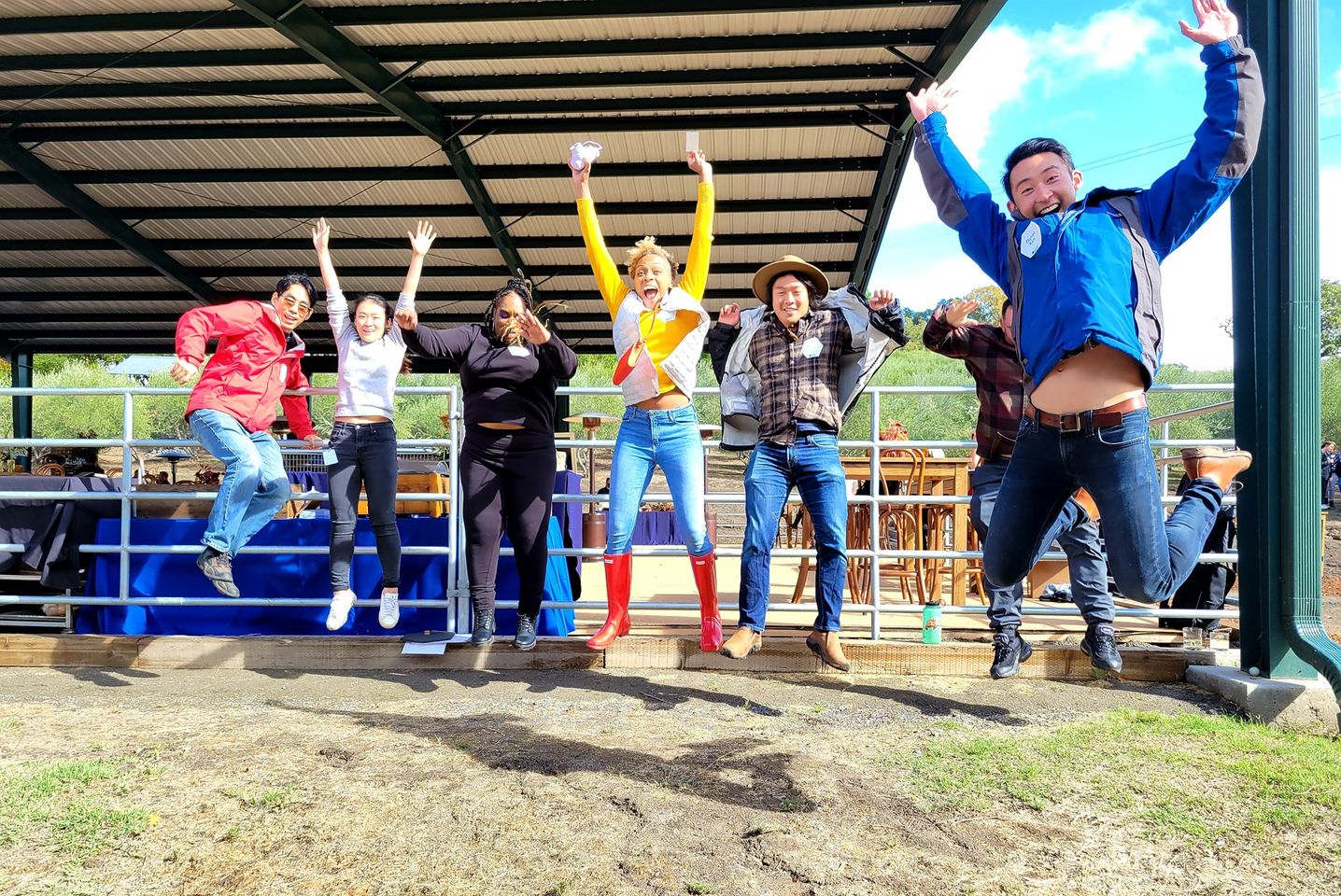
BBQs and picnics are popular International Workers’ Day celebrations around the world, and there’s a reason they hold up. We recommended them for International Workers’ Day 2025, and they still make sense today because employees love spring fun.
The key is to make it more than just another catered lunch. Outdoor celebrations give you room to layer in experiences that feel energizing instead of routine.
You might recognize employees with small gifts, set up friendly competitions, or add team building activities that get people moving and interacting.
For example, one option is our Go Team Scavenger Hunts. It’s a low-pressure way for teams to loosen up, collaborate, and build skills while actually enjoying themselves.
2. Volunteer activities
Because of its roots in advocacy and labor movements, May Day often includes a strong volunteer component. That makes volunteering a natural fit for International Workers’ Day.
Volunteering gives teams a shared sense of purpose, and it comes with real workplace benefits. Research shows that volunteering can:
- Improve employee engagement and morale
- Strengthen collaboration and communication
- Support recruitment and retention
- Encourage leadership development
- Help people make new friends
- Boost confidence and self-esteem
That list could go on, but the takeaway is simple. Volunteering helps people feel connected to something bigger than their day-to-day work.
Start by asking what your employees care about. If climate change is top of mind, you might sponsor a charity raffle or plan our Do Good Bus event with an environmental focus.
3. Wellness opportunities
Employee wellness and mental health aren’t trends anymore. They’re baseline expectations.
International Workers’ Day is a natural time to reinforce that your organization values well-being both at work and outside. When teams feel supported as people, not just employees, trust and engagement tend to follow.
Wellness-focused seminars or experiences can be especially impactful. Events like our Laughter Yoga program give teams permission to relax, reset, and reconnect in a way that feels accessible and human.
4. Fun team building games
Another effective way to celebrate Workers’ Day is to give your team a break from the usual routine. Team building activities let people step out of their roles, interact differently, and recharge together.
The benefit is twofold. Your team gets to have fun, and you’re still reinforcing communication, collaboration, and problem-solving skills.
Our Mystery Bus event is a great example. Teams explore a city, solve challenges, and work together in an experience that feels more like an adventure than a workday.
If you’re looking for more inspiration, our most popular activities are a good place to start.
5. Virtual celebrations
Not every team is in the same place, and that doesn’t have to be a limitation. International Workers’ Day works just as well in virtual and hybrid environments.
There are plenty of virtual and hybrid events that bring people together, regardless of location. These experiences help remote employees feel included rather than sidelined.
Virtual team building offers real benefits, especially for distributed teams. Programs like our Virtual Happy Hour & Mixology Class are especially effective for hybrid teams because they create shared experiences across screens and offices.
6. Give a gift to employees
Giving gifts is one of the most straightforward ways to show appreciation, and it still matters. Gift cards to local businesses, custom gear, or even an extra day off can make employees feel recognized and valued.
That said, gifts tend to land best when they’re part of something bigger. Pairing a thoughtful gift with a team building activity or shared experience reinforces the message that appreciation isn’t just transactional, but personal and intentional.

Celebrate Your Employees on International Workers’ Day
Workers have shaped the modern workplace through decades of effort, advocacy, and persistence. The standards many of us take for granted today, like the five-day workweek, eight-hour workdays, and safer working conditions, exist because people spoke up and pushed for better treatment.
International Workers’ Day is a natural moment to recognize that history while also focusing on the people on your team right now. Taking time to acknowledge effort and contributions shows employees that their work matters and is seen.
Beyond being the right thing to do, appreciation has a real impact. When employees feel valued, motivation and engagement tend to rise. Retention improves. Even business outcomes benefit when people feel connected to their work and to each other.
If you’re ready to celebrate your employees in a meaningful way, we can help. We offer a wide range of team building events that work well for International Workers’ Day and can be tailored to your team’s goals and culture.


Get more insights in our newsletter:
* every subscription supports charity!
PODCAST
Get ideas, inspiration and best practices from across the globe.




Plays well with these activities.