

Memorable Experiences: The Key to Company Culture and Engagement
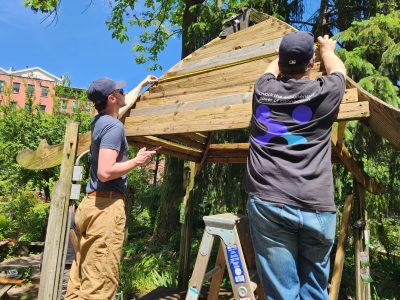
When I think about what makes a team truly thrive, one thing always comes to mind: shared experiences. As the Director of Program Development at TeamBonding, I’ve spent years designing events that bring people together in meaningful ways. I’ve seen how a single shared moment—whether it’s a collaborative challenge, a volunteer project, or a small daily ritual—can transform how people connect at work.
During a recent webinar for the American Society of Administrative Professionals, I shared that experiences are the foundation of every strong company culture. They build connection, bring purpose to what we do, and create a sense of belonging that keeps people engaged. In this article, I’ll share how to design memorable team experiences that spark joy, strengthen collaboration, and make culture something people feel—not just talk about.
Why Culture Matters More Than Ever
When people ask me what makes culture matter, I like to say it’s the shared heartbeat of an organization. It’s not the slogans on the wall or the perks in the break room—it’s the daily rhythm created by the people who show up and the experiences they share. Culture is reflected in how teams communicate, how leaders listen, and how employees feel at the start and end of each workday.
Only about a third of employees feel engaged at work, according to Gallup, costing companies billions in lost productivity each year. Add hybrid work, constant change, and rapid growth, and it’s clear why keeping teams connected has never been harder.
Culture is a result of intentional team building. Every shared experience—from a team celebration to a quick morning check-in—shapes how people feel about their work and one another. When those moments are designed with care, they turn connection into commitment and transform the workplace into a community.
What Makes an Experience Truly Memorable?
When I talk about shared experiences, I don’t mean another team meeting or routine outing. A truly memorable experience resonates long after it’s over. It’s a moment that builds connection, brings purpose to what we do, and reminds people that they belong.
From my years at TeamBonding, I’ve learned that the most impactful experiences always center around three things:
- Connection: Building real relationships between colleagues—the kind that make collaboration feel natural and effortless.
- Purpose: Giving work deeper meaning so every task feels valuable and tied to something bigger.
- Belonging: Ensuring everyone feels included and valued for their unique contributions.
The best part? These aren’t abstract ideas. Teams with strong social bonds are 50% more productive, and employees who feel a sense of belonging are five times more likely to stay. When people feel connected and included, engagement naturally follows.
Memorable experiences don’t happen by accident—they’re built with intention. Whether it’s a volunteer project, a team challenge, or a shared ritual that brightens the workday, each one lays another brick in the foundation of a strong company culture built on the power of play.
The PIECE Framework for Building Shared Experiences
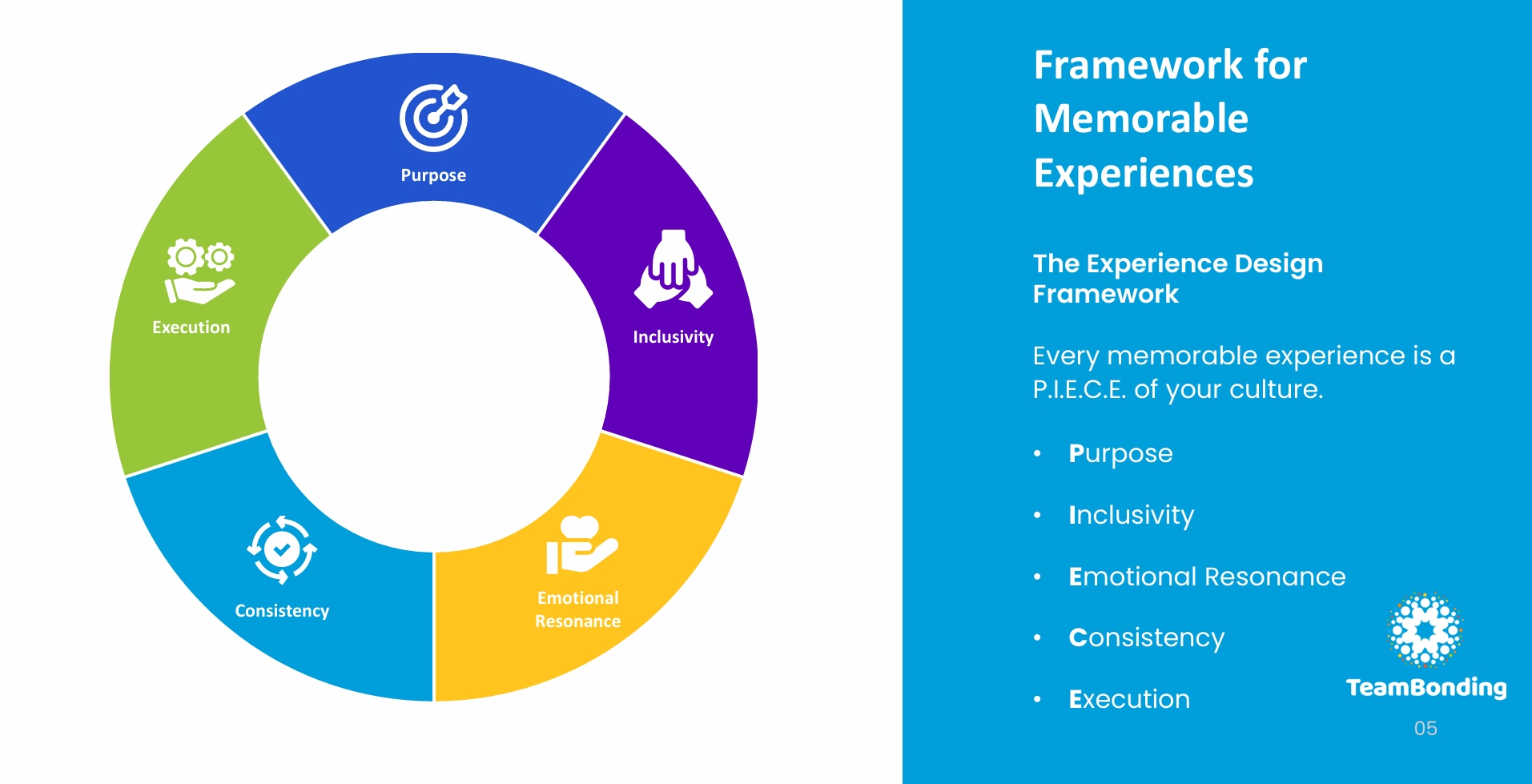
At TeamBonding, I often say that memorable experiences aren’t just fun—they’re designed. That’s why we use what I call the PIECE Framework when creating programs. It helps ensure that every activity becomes a meaningful piece of the company’s culture, not just a one-off event.
PIECE stands for Purpose, Inclusivity, Emotional Resonance, Consistency, and Execution. Each element transforms an activity from something people attend into something they remember.
- Purpose gives an experience direction. Before planning any activity, I always ask, “Why are we doing this?” Whether it’s to recharge morale or strengthen cross-department collaboration, a clear purpose makes the outcome stronger.
- Inclusivity ensures everyone can participate—not just the outgoing or competitive personalities. The best programs create roles for every type of team member, giving everyone a chance to shine.
- Emotional Resonance makes people remember the experience. A volunteer event, a shared storytelling moment, or an unexpected surprise can create the emotion that turns an activity into a memory.
- Consistency keeps everything aligned with company values. If your organization values creativity, consider designing something interactive that reflects that identity.
- Execution ties it all together. Clear communication, smooth logistics, and thoughtful follow-up turn a good idea into a great experience.
When all five PIECEs come together, you get more than just a fun day—you create a shared experience that strengthens culture and lasts long after it ends.
The Four Types of Workplace Experiences That Build Culture
When it comes to culture, big off-sites and annual parties are only part of the story. The strongest organizations balance four types of workplace experiences that connect people in different ways.
1. CSR Activities (Corporate Social Responsibility)
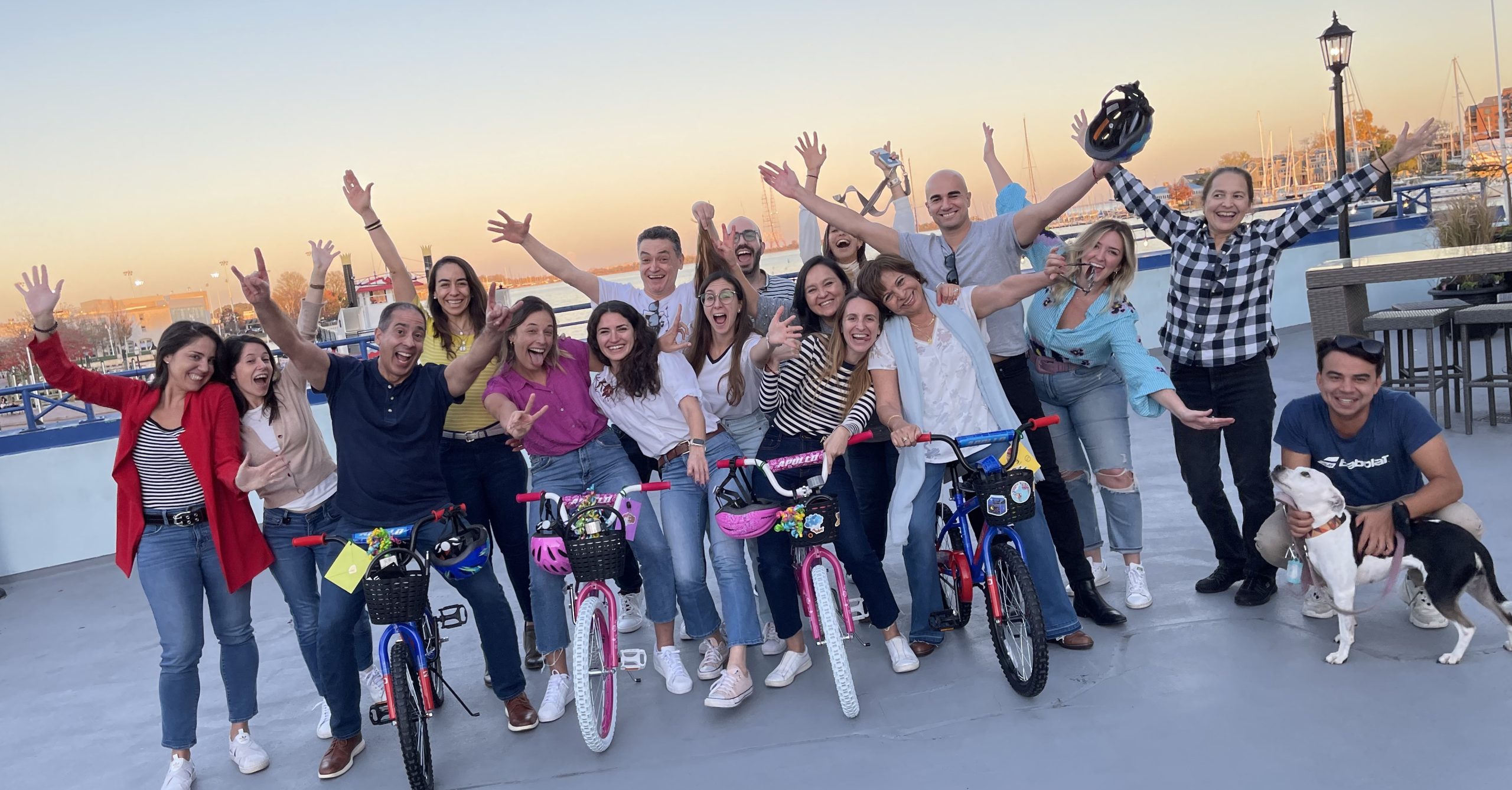
These experiences give teams a sense of purpose by contributing to something larger than themselves. Whether it’s assembling care kits, building bikes for kids, or organizing a volunteer day, CSR events connect employees to their community and to each other. In fact, 88% of employees say that volunteer activities improve company culture. When people come together for a common cause, they experience shared meaning—and that creates lasting engagement.
2. Team Building Events
These experiences strengthen collaboration and communication through shared challenges. From virtual trivia to in-person creative games, the best ones feel natural and energizing—not forced.
3. Recognition and Appreciation Moments
Appreciation doesn’t need to wait for performance reviews. Regular shout-outs, peer nominations, and thank-you notes build trust and motivation while reinforcing a sense of value.
4. Everyday Micro-Moments
Culture is built in the small rituals that make workdays enjoyable: gratitude huddles, coffee chats, or fun team traditions. These tiny interactions create consistency and belonging between larger events.
Each type of experience serves a unique role. Big moments energize teams, while daily rituals sustain connection. Together, they build a culture people want to be part of, even when you’re dealing with distributed teams.
A Real-World Example: Global Volunteer Day
One of my favorite examples of how shared experiences can transform company culture comes from a project we designed for a global organization with more than 600 employees across multiple locations. Their goal was to unite in-office and remote workers through a single, meaningful event for Global Volunteer Day—and to do it in a way that reflected their company’s values.
To make that happen, our team at TeamBonding created a blended experience that reached every employee. We hosted in-office CSR events, such as Team Teddy, Tools for Schools, and Wheelchairs in Motion, to engage local teams.
We launched 12 Do Good Bus outings across six cities, taking employees to volunteer at food banks, after-school programs, and community gardens. We also produced eight remote volunteer sessions, enabling home-based team members to contribute by unlocking donations for organizations like One Tree Planted and Save the Bees.
The result was incredible. Hundreds of employees participated worldwide, connecting while making a tangible difference in their communities. These shared experiences created stories people still talk about—stories filled with laughter, teamwork, and pride in what they accomplished together.
What made it all work was its seamless alignment with the PIECE framework. The event had:
- Purpose through service
- Inclusivity with opportunities for every employee
- Emotional resonance by showing visible community impact
- Consistency with company values
- Flawless execution across locations.
That’s the magic formula for turning one day of volunteering into a long-lasting sense of unity and belonging.
And here’s the best part: you don’t need hundreds of employees to create the same kind of impact. Even a single CSR event or virtual session can spark a meaningful connection with shared purpose and thoughtful design.
How to Bring Shared Experiences to Every Team
Not every organization looks the same, and neither should their approach to team experiences. Whether your company is growing rapidly or operating in a hybrid world, there are straightforward ways to integrate shared experiences into your everyday culture.
For Growing Companies
As organizations expand, it’s easy for employees to drift apart. I’ve seen firsthand how a few intentional habits keep culture connected as teams grow:
- Maintain open communication channels for shout-outs, ideas, and celebrations.
- Bring teams together in person at least twice a year to reinforce connection.
- Randomly mix groups across departments for projects or events to build new relationships and get more reserved employees out of their comfort zone.
- Keep company goals visible—whether physically or digitally—so everyone stays connected to the shared purpose.
For Remote and Hybrid Teams
Distance doesn’t have to mean disconnection. Many of the most creative programs I’ve helped design were built specifically for remote or hybrid settings:
- Choose engaging virtual programs like escape rooms, trivia, or food tastings.
- Plan hybrid events that include both in-person and remote participants equally.
- Focus on activities that don’t require high technical skills, making them accessible to multigenerational teams.
When designed with inclusivity and purpose, virtual and hybrid experiences can be just as powerful as in-person ones. They strengthen communication, keep people connected, and help remote employees feel like part of the same story.
Interactive Elements That Build Connection
During my webinar with our Senior Facilitator, Stephanie Windland, we put our principles into practice by weaving interaction into every section. Simple activities turned the session from a presentation into a shared experience—exactly the kind of engagement I encourage teams to create at work.
Some of the interactive elements included:
- A Thumb Ball icebreaker where participants shared their favorite places they’ve visited.
- A quick polling session about team culture strengths.
- A round of Two Truths and a Lie (Culture Edition) to spark laughter and connection.
- Chat discussions where people shared meaningful work moments and small wins.
These small interactions reminded everyone that connection doesn’t have to be complicated. The same principles apply in any workplace—invite participation, share stories, and make every interaction a chance to connect.
Everyday Touchpoints That Strengthen Connection
While large-scale events make a big impact, I’ve found that culture is created in the small, consistent moments we share each day. Those micro-moments—the quick thank-you after a meeting, a friendly message in the team chat, or a shared laugh over coffee—create the steady heartbeat of connection that keeps employees engaged between big events.
Some of the most effective touchpoints I’ve seen come from simple actions that require little planning but deliver lasting results.
- Onboarding: A warm welcome on day one sets the tone for everything that follows. A personal note, a small gift, or a team introduction helps new employees feel seen and valued from the start.
- Recognition: Consistent appreciation goes a long way. A few sincere words during a meeting or a peer-nominated shout-out can lift morale more than most people realize.
- Celebrations: Milestones deserve acknowledgment—birthdays, anniversaries, and small wins remind people that their contributions matter.
- Rituals: Traditions like themed dress-up days or weekly team lunches bring a sense of identity to the workplace. They’re fun, low-pressure, and surprisingly powerful in strengthening belonging.
Nobody remembers their 372nd email, but everyone remembers when their manager brought them coffee on their first day or when the team took five minutes to celebrate a small success. These gestures cost little but mean everything.
Culture thrives on repetition. The more intentional we are about creating these small shared experiences, the more they become part of who we are as a team. Over time, those everyday moments build trust, loyalty, and joy—the true markers of a thriving company culture.
How Small Actions Lead to Big Culture Change
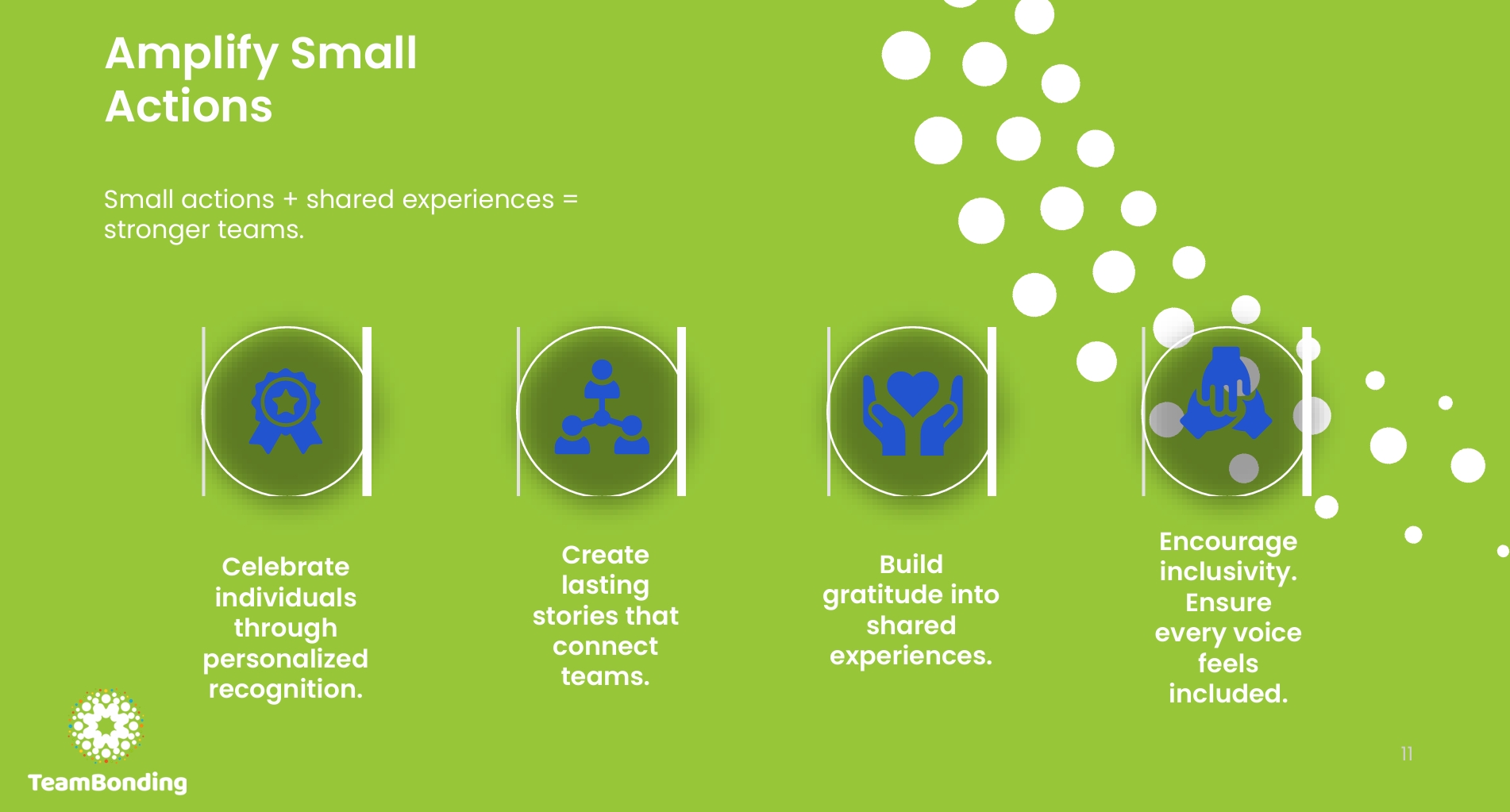
Significant culture shifts don’t come from grand gestures—they grow from small, consistent actions that remind people they’re valued. Every acknowledgment, laugh, or shared win adds to your team’s collective story and strengthens its sense of identity.
One of my favorite rituals is something we call “snaps.” Whenever someone achieves something—big or small—we stop and give them a quick round of finger snaps. It takes just seconds, yet fills the room with energy and appreciation. Those little celebrations reinforce that progress matters and that every contribution counts.
Simple acts like that—sharing a thank-you note, offering a quick compliment, or taking a moment to highlight success—build momentum. When repeated, they become traditions that define culture. Over time, those shared experiences become part of who you are as a team, turning small moments into lasting change.
Why Purpose-Driven Experiences Create Lasting Impact
Of all the ways to build connection, I’ve found that purpose-driven experiences—especially CSR activities—leave the deepest impression. When employees come together to give back, they share something more than a task; they share meaning. These experiences check every box of the PIECE framework: they’re purposeful, inclusive, emotionally resonant, consistent with company values, and impactful when executed well.
It’s no surprise that most employees say volunteer activities improve culture, and those who find purpose at work are three times more likely to stay. CSR isn’t just about charity—it’s about creating a sense of belonging and pride. When teams see the tangible results of their efforts, they return to work more connected, motivated, and engaged. That’s the power of shared purpose—it strengthens both people and culture from the inside out.
Turning Inspiration Into Action
After years of designing team programs, I’ve seen one truth again and again: culture only grows when good ideas turn into action. You don’t need a huge budget or an all-day retreat to make a difference—just intention and consistency.
Here are a few simple ways to start:
- Begin a new team ritual: Try a weekly check-in, a daily quote, or a quick gratitude round.
Recognize someone today: Call out a colleague’s effort in your next meeting or send a short thank-you message. - Propose a CSR idea: Research one community activity your team could do together and share it with leadership.
Culture doesn’t happen overnight. It emerges moment by moment, through the experiences we share and the care we show for one another. Every action, no matter how small, contributes to the bigger picture of connection, purpose, and belonging.
Bringing It All Together
From large-scale volunteer projects to small acts of appreciation, every intentional action shapes how employees feel about their work and one another. Over time, those shared experiences transform teams into communities built on trust, meaning, and engagement.
If you’re ready to start designing your own memorable experiences, I invite you to dive deeper. Download the free eBook, The Admin Pro’s Guide to Building Unforgettable Team Experiences, for practical ideas and frameworks you can use right away.
And when you’re ready to bring those ideas to life, explore all of our TeamBonding programs—each one designed to help teams create shared experiences that strengthen culture and engagement in meaningful, lasting ways.


Get more insights in our newsletter:
* every subscription supports charity!
PODCAST
Get ideas, inspiration and best practices from across the globe.




Plays well with these activities.