

Employee Training and Development: Invest in Your Team’s Growth
The companies that win aren’t the ones with the most resources—they’re the ones that invest most heavily in their people. Training and development isn’t a cost—it’s an investment that pays dividends in productivity, innovation, retention, and morale.
That’s why providing learning opportunities is the number one retention strategy, according to LinkedIn Learning.
In this guide, we’ll explore everything you need to know about employee training and development—why it matters, how to build effective programs, and proven strategies for creating a learning culture that drives real business results.
What is professional development?
Professional development is the continued education and training a person undergoes after they’ve already entered the workforce. Though it may seem unnecessary to many, professional development is essential if you want to succeed, grow, and achieve your full potential.
Simply put, it’s when someone gets education or training while in the workforce to better their skills, keep up with trends, stay up to date, and advance their career. Employee development encompasses three main areas:
- Skill Development: Improving current abilities and learning new ones
- Career Advancement: Growing professionally and moving up
- Personal Growth: Developing as individuals, personally and professionally
As leadership and people-first consultant Laura Sukorokoff emphasizes: “Investments in your managers and in your team members pays off in engagement, in productivity, in loyalty, and in retention.”

Why is professional development important?
Professional development is important for numerous reasons, such as:
1. Career advancement
Career advancement is one of the main motivations people have for professional development. If you want to continue advancing your career and moving up, you have to continue growing professionally. You need more knowledge, expertise, etc. If you don’t continue becoming a better professional, you won’t be able to move up.
The workplace can be very competitive. In many industries, there is a constant flow of new professionals who are ready to do whatever it takes to move up. If you don’t keep up with them, you can end up by the wayside.
2. Staying current with trends and technology
In 2023, new technologies and trends emerge seemingly every day. Not that long ago AI was a sci-fi dream, but now it’s quickly becoming an essential part of the workflow for countless workers. Point being, it’s critical that you keep up with current trends and technology if you want to be successful.
No matter what industry you are in, there are constantly new trends and technologies emerging. If you stay up to date and keep up with these changes, you will ensure that you have a place in the industry in the future. And if you can show that you are consistently doing what it takes to stay ahead, you’ll be more likely to keep advancing in your career.
3. Creating better employees
This one should come as no surprise, but professional development can make you better at your job. Since professional development revolves around learning skills and knowledge relevant to your career, it can have a big impact on your job performance. Soft skills like communication, emotional intelligence, leadership, and teamwork enable employees to work with others and navigate complex situations.
Improved Job performance not only benefits your employer, but it also benefits you. If you are doing a great job, staying up to date, and getting better all the time, you’ll have a much easier time moving up the ladder and advancing your career.
4. Improved job satisfaction
Last but not least, professional development can improve your job satisfaction as well. According to Zippia, 58% percent of employees believe job satisfaction is improved through professional development. It’s not hard to see why when you break it down.
People want to feel like they are making a difference, and they want to feel cared about. If an employee is improving their skills and job performance, they are much more likely to feel like they are contributing and doing an important job. And if their employer is helping them get that training, they will feel like they are valued and cared about. Combined, both of these lead to improved job satisfaction.

Training and development best practices
With the what and why covered, the next you should know are the professional development best practices. These are five of the best tried and true methods to improve your skills and grow, so be sure to consider them when planning your professional development.
1. Seek out mentorship and guidance
This is one of the oldest strategies out there, but it’s a classic for a reason. Seeking out mentorship and guidance is one of the best ways to develop professionally. Those who have been in your industry longer and have more experience have a lot they can teach you.
Don’t be afraid to reach out to those you admire for guidance. Most of the time they are happy to help someone grow and become better. They want to see others in their industry succeed as well, so reach out to them and work hard to follow their advice.
Reverse mentoring is also an option. Though it may seem counterintuitive, you can learn a lot by flipping the power structure and getting mentorship from those below you. Consider disrupting the hierarchy at your workplace so you can learn from whoever can help you.
2. Participate in training and workshops
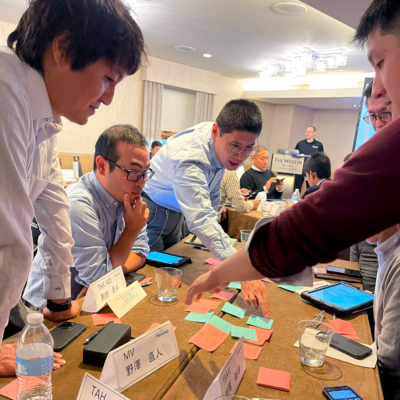
Professional development workshops give employees the tools to collaborate better, lead with confidence, and navigate challenges more effectively.
Corporating training focuses on improving workplace skills, leadership, and communication. Each session is facilitated by an expert with specialized training in areas like emotional intelligence, DISC, Myers-Briggs, and communication strategy. Investing in these events boosts morale, productivity, and retention. And if a fully-facilitated event isn’t on your radar, a DIY training event could be a great option.
For remote teams, virtual training workshops allow any company, anywhere, to improve their skills as a team. Learning together helps build team cohesion, and at the end of the workshop, your whole team will feel more confident in their roles and understanding of others’ contributions.
3. Make employee development fun
Employee development doesn’t have to feel like another item on the to-do list. When learning is fun, people show up curious, motivated, and ready to participate.
Networking plays a big role here. Connecting with coworkers, peers in your industry, and people you admire opens the door to new ideas, shared tips, and real-world insights into how others build their skills. These conversations also strengthen emotional intelligence—one of the most valuable skills in today’s workplace.
That’s where fun and gamification come in. When training feels more like play, employees are more willing to jump in, take risks, and try something new. Gamified experiences create safe, low-pressure environments to practice skills, get immediate feedback, and learn from one another.
4. Use reflection and feedback to improve
No matter what you decide to do for professional development, it’s key that you reflect and use feedback to improve. Self-reflection is essential when it comes to improving ourselves, so take the time to think critically about yourself and how you can improve.
Also, take feedback to heart. Those around you want you to improve as well, so listen to their feedback and find ways to implement it. If you implement feedback from others and reflect on yourself, bettering your skills should be simple.
Comprehensive Guide to Employee Development
Employee development ultimately starts with management. Managers play an important role in all this, and knowing how managers can support employees is key. The development of employees is closely related to retention. Employees want to feel valued, and they don’t want to feel trapped or stagnant.
Developing your employees addresses both of those concerns to avoid turnover. When employees feel like their employer cares about them, wants to help them grow, and provides opportunities for career advancement, they are much more likely to stay.
Benefits for employees:
- Boost morale: Employees are happier in workplaces with high morale
- Feel more fulfilled: Growth opportunities help them achieve their own goals
- Increased confidence: Better skills lead to more confidence
Professional development doesn’t have to mean spending lots of money. As Sukorokoff highlighted: “Professional development also comes from things like reading articles and watching videos. There are MOOCs—Massive Open Online Courses—that people can actually access university level education for free or very cheap.”
Soft Skill Development
Soft skill development focuses on interpersonal skills like communication, emotional intelligence, leadership, adaptability, and teamwork. These skills are just as important as technical abilities—sometimes more so.
Soft skills enable people to work effectively with others, navigate complex situations, resolve conflicts, and lead teams. They’re the difference between someone who can do the work and someone who can do the work while inspiring others and building strong relationships.
Upskilling Employees
Upskilling employees means teaching them new skills or enhancing existing ones to keep pace with changing job requirements. This is particularly important as technology evolves and job roles transform.
Upskilling helps employees stay relevant, increases organizational agility, and fills skill gaps without external hiring. It shows employees you’re invested in their future, which dramatically improves retention and engagement.
Organizational Development
Organizational development takes a systems approach to improving organizational effectiveness. It focuses on aligning structure, culture, processes, and people to achieve strategic goals. Employee training and development is a critical component of organizational development, ensuring the workforce has the capabilities needed to execute strategy.
How to Make Professional Development Fun
While professional development is serious business, that doesn’t mean it can’t be fun. You can better yourself and improve your skills while also having fun. With the right events and activities, you can have a blast while also readying yourself for the next step in your career.
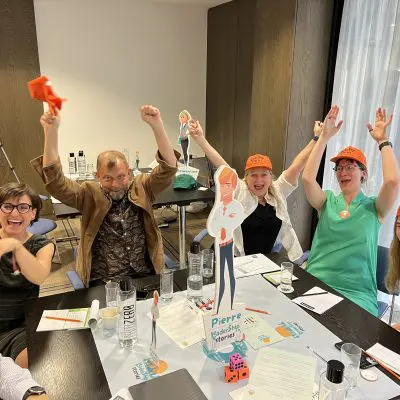
For example, our Leadership Stories program focuses specifically on cultivating leadership skills. The event involves board-game style scenarios that force participants to be smart leaders and start conversations amongst themselves that can have long-term meaningful impact.
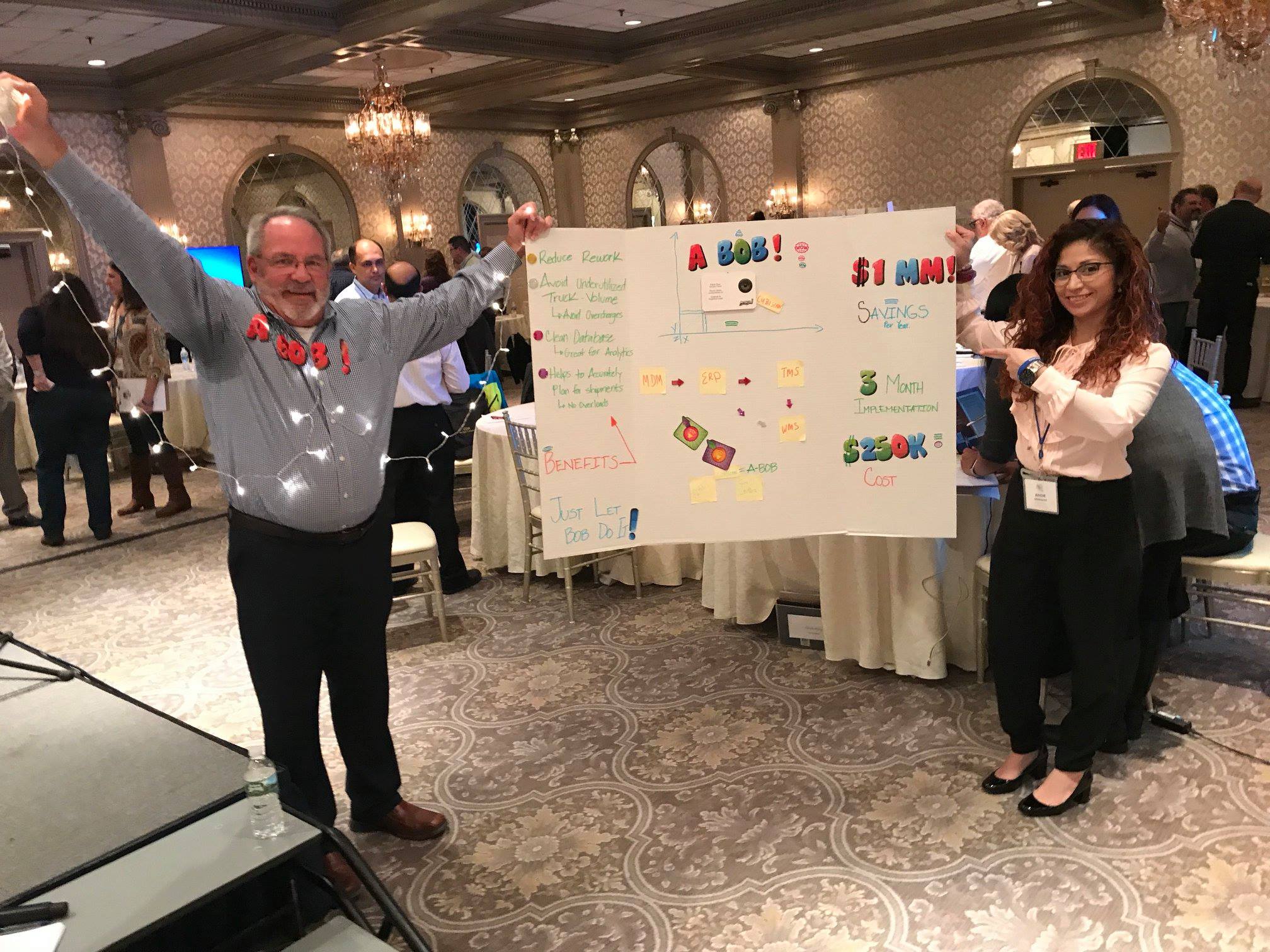
Another example is Shark Teams, our Shark Tank-style event that focuses on skills relating to product development, marketing, process improvement, and presentations/pitches. Though it’s an incredibly fun workshop, it also teaches very important lessons around business and teamwork.
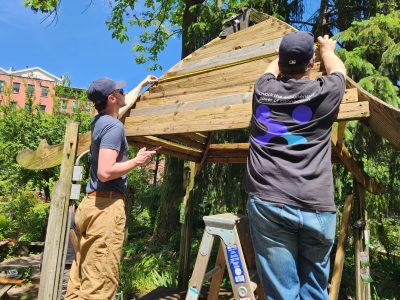
If you want to focus on time management and strategic planning, our Chain Reaction Challenge is a great option. This event involves teams working together to create Rube Goldberg-style devices within a time limit. You and your team can have fun designing and creating fun contraptions, all while bettering your time management and planning skills.
We also worked to bring all of our most popular professional development programs online. Whether your employees are in the office, at home, or somewhere across the globe, you can ensure they still get the training they need thanks to our online professional development workshops.

Grow alongside your team
Employee training and development isn’t a one-time initiative—it’s an ongoing commitment to your people. The companies that win are the ones that make learning part of their DNA, where continuous improvement is expected and supported at every level.
Start with one or two development initiatives. Make them consistent. Measure the results. Then build from there. Sustainable growth comes from steady, intentional investment in your team’s capabilities over time.
Managers and leaders should prioritize professional development for their employees so they can build a stronger and better workforce. One way to do that is through team building. We have a whole range of professional development events and programs, so get in touch with us and start bettering your teams today.


Get more insights in our newsletter:
* every subscription supports charity!
PODCAST
Get ideas, inspiration and best practices from across the globe.




Plays well with these activities.