

Understanding Teamship and How It Creates Winning Teams
For years, I’ve helped companies build connection, strengthen culture, and even rediscover their sense of play. You eventually notice something: the groups that thrive aren’t just stacked with talented individuals. They practice something deeper—something I’ve come to understand as teamship.
But the teams that truly elevate performance embrace a shared commitment to each other’s success. In this piece, I’ll explore the meaning of teamship, why this mindset matters, and how a co-elevating approach can transform your group from a collection of strong players into a strong team.
What is teamship?
Teamship is a mindset that puts shared success at the center of how a group works. It asks every person to see the team’s win as their win.
When I talk about teamship, I mean a way of working where everyone takes responsibility for the group’s momentum. I’ve seen this across thousands of programs, from small executive teams to global organizations. The idea isn’t new, but the way we practice it keeps evolving.
Keith Ferrazzi’s work on co-elevation reflects this shift. His Forbes article on transforming leadership into teamship captures the heart of what I see every day. It’s not just about getting along; it’s about committing to lift each other higher.
Here’s what teamship often looks like:
- People volunteer solutions instead of waiting for instructions
- Team members check on each other’s progress
- Wins feel shared, and so do setbacks
A good teamship definition
To me, teamship means everyone acts like a leader, no matter their title. It’s a collective agreement that we’re all responsible for how well we work together.
This mindset aligns naturally with co-elevation. The goal isn’t merely to complete a project; it’s to help each other rise while doing so.
A shared-leadership mindset shows up in simple behaviors:
- You don’t wait to be asked
- You don’t limit your effort to your job description
- You don’t let a teammate fall behind
When people adopt teamship, they stop being passive and become active contributors. That shift is one of the biggest differences between good teams and great ones.
Why does “team over individual” matter for modern workplaces?
Hybrid schedules and distributed teams make it easy for people to feel disconnected. Modern employees want to know that their effort contributes to a shared outcome rather than staying part of a siloed task list. Younger generations expect a sense of belonging as part of their workplace experience. Teamship delivers that sense of belonging through mutual commitment.
Teamship differs from old-school leadership
Traditional leadership relies entirely on hierarchy: One person leads, and others follow.
Teamship shifts the structure so responsibility flows in every direction. In TeamBonding programs, hierarchy disappears the moment a group enters an activity. You quickly see who steps forward, who collaborates naturally, and how leadership moments spread throughout the group.
This shared ownership builds confidence and helps people practice leadership skills. I’ve watched teams become more resilient and more innovative simply by opening the door for everyone to contribute.
How does teamship create a winning mindset?
When people embrace the meaning of teamship, collaboration stops being a stress reaction and becomes part of the culture. Co-elevation becomes the standard, not the exception. Teams committed to teamship look for ways to support one another. That’s where consistent performance begins.
What shared accountability looks like in action
Imagine a group working on a fast-moving project. One person realizes their part of the work is more complicated than expected, and a delay could impact the entire timeline.
A group without teamship often sees people stay focused on their own assignments as tension rises. Blame can start to form before anyone sees the full picture.
But a unit oriented around teamship approaches the moment differently. They pause to regroup and ask what support the struggling employee needs. Others jump in to redistribute tasks based on the strengths and availability of other team members. Everyone keeps moving, because the shared goal matters more than individual success or failure.
That’s why we design TeamBonding programs to surface these dynamics in a clear, hands-on way. Activities help teams see how they communicate, adjust, and support one another under pressure. Teamship grows through ongoing commitment, and over time, it strengthens collaboration, morale, and even the bottom line.
Psychological safety fuels teamship
People need the space to speak honestly and share ideas without fear. Without psychological safety, teamship can’t take hold because people hesitate to engage.
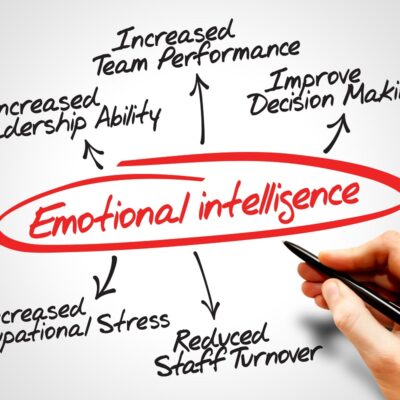
When teams feel safe communicating, problem-solving becomes faster and more effective. This connection is why we often weave emotional intelligence principles into our professional development experiences. When teams understand how to read and respond to one another, trust builds naturally.
Teams that feel safe are more willing to practice co-elevation because the environment rewards openness. That, in turn, leads to stronger relationships and better collective outcomes.

How does teamship strengthen collective ambition?
Once people understand the meaning of teamship, their motivation aligns. They recognize how their efforts connect and how their strengths contribute to something bigger.
This encourages teams to stay focused, support one another, and maintain momentum even when conditions change. It also reinforces their sense of pride in shared progress.
Teams with strong collective ambition tend to:
- Stay aligned around priorities
- Navigate setbacks with resilience
- Hold each other accountable in constructive ways
- Celebrate achievements as a group, not in isolation
This is where co-elevation becomes especially powerful. When ambition rises collectively, the entire team moves forward with more energy and purpose. Our role at TeamBonding is to help teams discover these patterns and understand how to practice them. But the real transformation comes from consistency. When teams adopt teamship as an ongoing approach, they create a culture where high performance feels natural and sustainable.
How can teams practice teamship daily?
Teamship grows through small choices repeated over time. It’s not a single decision but an ongoing orientation toward shared success. When teams commit to the meaning of teamship in their everyday conversations and routines, co-elevation becomes the natural way they work together.
Communication habits that support teamship
When people understand how to speak up, listen well, and address tension early, they create space for collaboration. Conflict resolution relies on these practical habits. Teams that communicate effectively tend to rely on:
- Regular check-ins that focus on clarity rather than status updates
- Direct questions when expectations feel unclear
- Listening with the intent to understand rather than respond
- Naming concerns early so issues don’t build quietly
- Offering support when someone signals they’re overloaded
How do shared expectations reduce friction?
Assumptions leave too much room for misinterpretation, while agreements create alignment. When a group makes expectations explicit, they prevent friction before it starts.
In our collaboration programs, we help teams distinguish between “I thought you meant…” and “Here’s what we agreed to.” That shift reduces reworks, speeds up decisions, and creates a smoother path forward. It also reinforces what teamship truly is: a commitment to making the group’s work easier, not harder.
Team rituals to keep teamship alive
Simple, consistent practices help teams stay connected and centered on shared purpose. Weekly check-ins that highlight priorities, rotating meeting roles that distribute responsibility, and moments of recognition that spotlight supportive behavior all reinforce what it means to work as a team.
We design trust-building experiences to help groups practice these rhythms. Still, the long-term impact comes from what everyone chooses to continue afterward. When teams build rituals that support transparency, accountability, and appreciation, teamship becomes the way they show up for each other every day.

Where does team building help reinforce teamship?
Teamwork becomes real when people share experiences. Team building turns concepts like co-elevation and shared success into something people can actually feel, practice, and talk about together.
Experiential learning is one of the fastest ways to build teamship
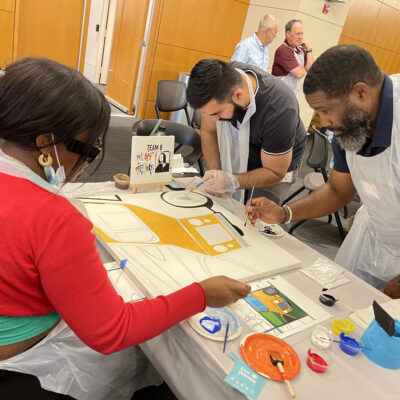
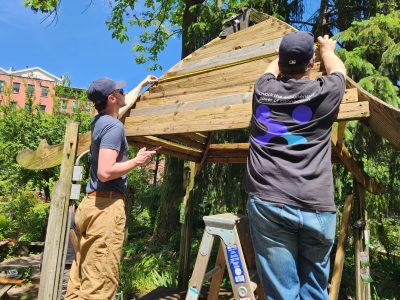
It creates a space where people can try new behaviors without the pressure of day-to-day responsibilities. When a team solves a challenge or builds something together (like our Go Team High-Tech Scavenger Hunt or Build-a-Boat experiences), their natural tendencies surface.
Those moments give teams insight into how they operate under stress, how quickly they adjust, and how well they support each other. It’s one of the quickest ways to highlight what teamship looks like—because the learning happens through action, not theory.
How shared experiences build a foundation for teamship
Shared experiences create memory and connection. When teams laugh, struggle, or solve something together, they build a sense of “us.” That emotional engagement strengthens the bonds on which teamship depends.
A single shared accomplishment can shift how a group sees itself. People leave with a new appreciation for each other’s strengths, a clearer sense of how they fit together, and a stronger commitment to helping one another succeed.
What makes teamship easier to maintain after structured events?
Facilitators help teams translate their experiences into practical know-how: how they want to communicate, what support looks like, and how they’ll hold each other accountable. Those conversations make learning stick.
Teamship forms when teams build simple habits around what they discovered—small changes in how they meet, share, or check in. Our programs help teams identify those habits, but the real impact comes from how consistently they put them into practice.
How hybrid and remote work has changed the meaning of teamship
Hybrid and remote work make intentional connections even more important. When teams aren’t physically together, it’s easier to drift apart. Teamship breaks that pattern by encouraging proactive communication and shared responsibility.
Virtual team building experiences help reinforce those behaviors by giving teams moments to reconnect and reset their sense of shared purpose. Without those, teamship is much harder to maintain across distance.
Why a co-elevating mindset matters in uncertain environments
Uncertainty puts stress on teams. A co-elevating mindset keeps people focused on lifting each other up instead of retreating into survival mode. When teams approach challenges with shared ownership, they adapt faster and stay aligned better.
Co-elevation turns uncertainty into an opportunity to strengthen trust, resilience, and creativity. It encourages everyone to pay attention to the group’s needs, not just their own.
What do employees expect today?
Employees want to contribute to something meaningful and to work in a culture where their ideas matter and their teammates support them. Teamship helps create that environment by making shared success part of the everyday experience.
When people feel valued and connected, when they see how their work supports the team’s goals, they stay motivated and engaged. And when teams operate with teamship at the center, they build a culture that attracts talent, retains it, and strengthens performance across the board.
Make the shift toward teamship with TeamBonding
Teamship is a shift in how we show up for each other, especially in quickly changing workplaces. If you want a team that communicates openly, supports each other naturally, and strives toward shared success, teamship gives you the framework to get there.
Our professional development experiences are designed to help your people grow the skills, behaviors, and trust that make teamship real. If you’re ready to strengthen communication, deepen connection, and build a team committed to co-elevation, explore our professional development programs and take the first step toward becoming a high-performing team.


Get more insights in our newsletter:
* every subscription supports charity!
PODCAST
Get ideas, inspiration and best practices from across the globe.




Plays well with these activities.