

Fun Employee Growth and Development Ideas That Work
Every manager wants a team that shows up motivated, keeps improving, and sticks around for the long haul. But wanting that and knowing how to make it happen are two very different things. After more than 30 years of facilitating professional development workshops and training programs for organizations of all sizes, I can tell you that employee growth and development ideas don’t need to be complicated to be effective. They just need to be intentional.
Employee development is one of the most important investments a company can make, and the data backs that up. According to Gallup, organizations that invest in developing their people report 11% greater profitability and are twice as likely to retain their employees. Those numbers should get the attention of any business owner, HR professional, or team leader looking to build a stronger workforce.
In this article, I’m going to break down what employee development really means, why it matters so much, and share some of my favorite employee growth and development ideas that you can start putting into practice right away.
What is employee development?
Employee development is the ongoing process of helping your people build new skills, strengthen existing ones, and grow both personally and professionally. It covers everything from soft skills like communication and emotional intelligence to hard skills like technical training and industry certifications.
But here’s what a lot of organizations get wrong: they treat development as a one-time event. A single workshop, an annual review, a training day that gets checked off the list and forgotten. Real development is continuous. It’s woven into how your team operates every day.
From my experience working with more than 200 organizations, the most effective employee training and development strategies have three components working together: skill enhancement, career advancement, and personal growth. Miss any one of those and the whole picture falls apart.
Skill enhancement is about helping employees get better at what they do right now. Career advancement is about giving them a clear path forward. And personal growth is about helping them develop as individuals, which includes everything from building confidence to discovering new strengths.
Why is employee development important?
If you’re still wondering why employee development is important, consider this: the top reasons employees leave their jobs aren’t usually about money. They’re about a lack of growth, poor management, and feeling undervalued. Gallup’s research has consistently shown that career growth opportunities are the number one reason people give for changing jobs.
When you invest in development, you’re telling your team that you see a future with them. That kind of message does more for retention than almost any perk or pay raise. Employees who feel supported in their growth are more engaged, more productive, and far more likely to stick around.
Development also creates a pipeline of future leaders within your organization. Instead of always looking outside for management candidates, you can promote from within. This saves time and money and preserves institutional knowledge. It’s a smarter way to build your business from the inside out.
And let’s not forget the impact on company culture. Teams that prioritize growth tend to be more collaborative, innovative, and resilient when challenges arise. That kind of culture doesn’t happen by accident; it’s built through intentional investment in your employees.

Creative employee development ideas to try
Now let’s get into the good stuff. Here are some of my favorite staff development ideas that I’ve seen work time and again with the teams I train and facilitate for.
Identify and leverage individual strengths
One of the most powerful development activities for employees is helping them understand what they’re naturally good at. It sounds simple, but most people can’t clearly articulate their top strengths, and their managers often can’t either. Having helped half a million people unlock their strengths over the course of my career, I’ve seen how transformative this single shift in focus can be.
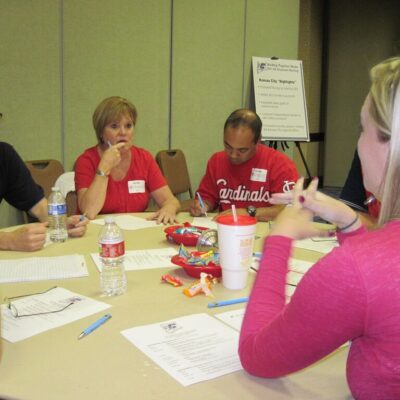
That’s exactly why I recommend programs like Discover Your Strengths. This workshop is based on the Clifton StrengthsFinder assessment and gives every participant a clear picture of their unique talents. But it goes beyond individual insight. Teams learn each other’s strengths and begin to see how those talents complement one another. When you know who on your team excels at strategic thinking and who thrives in execution, you can stop putting square pegs in round holes and start playing to everyone’s abilities.
In my experience, this kind of strengths-based development creates a noticeable shift in how teams communicate and collaborate. People feel seen and valued for what they bring to the table, and that’s one of the most effective employee development ideas you can implement.
Invest in communication skills
Poor communication is at the root of almost every workplace issue I encounter: missed deadlines, interpersonal conflicts, unclear expectations, and disengaged teams. If you want to improve how your team functions, start with how they talk to each other.
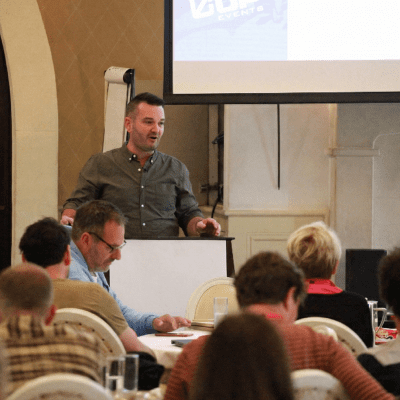
Our Effective Communication program is one I often recommend because it addresses the communication challenges teams face today. We’re talking about everything from email etiquette and virtual meeting dynamics to group presentations and difficult one-on-one conversations. The program is interactive and hands-on, which makes the learning stick in a way that a lecture never could.
Communication is also one of those soft skills that impacts every other area of development. Better communicators make better leaders, better collaborators, and better problem solvers. It’s a foundational employee development activity that benefits the entire organization.
Build confidence in new and emerging leaders
One of the most common gaps I see in organizations is the transition from individual contributor to supervisor. Someone gets promoted because they’re great at their job, but nobody teaches them how to manage people. They’re left to figure it out on their own, and that’s where things start to go sideways.
The Confident Supervisor is a training program designed specifically for this challenge. It helps new and emerging managers learn to communicate expectations clearly, give effective feedback, motivate diverse team members, and handle difficult conversations professionally. The program covers all of this through practical exercises and real-world scenarios, not slide decks and theory.
I’ve seen firsthand how this kind of targeted supervisor training transforms not just the individual manager but the entire team they lead. When supervisors feel confident and capable, their teams feel more supported and engaged. It’s one of those employee development ideas that has a ripple effect across the whole organization.
Create mentorship programs
Mentorship is one of the oldest and most effective staff development practices, yet it’s still underutilized. Pairing less experienced employees with seasoned professionals creates a natural knowledge transfer that benefits both parties.
Mentors get to sharpen their leadership skills while mentees gain valuable guidance and perspective. The key is to make mentorship intentional rather than informal. Set clear expectations, establish regular check-ins, and give both mentor and mentee the tools to make the relationship productive.
You can also explore reverse mentorship, where younger employees share insights about new technology, trends, or perspectives with more senior team members. This approach breaks down generational barriers and keeps your leadership team connected to what’s happening on the ground.
Use team building as a development tool
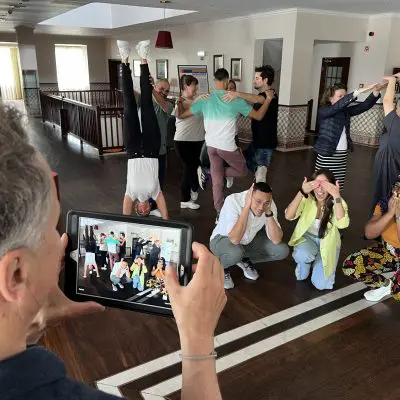
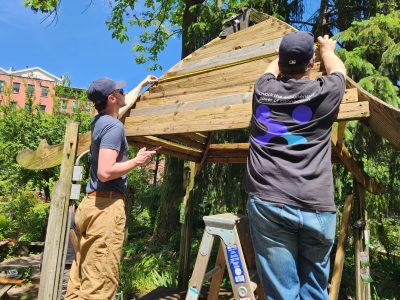
Here’s something I’m passionate about: team building isn’t just about having fun, although it absolutely should be fun. The right team building experience is also one of the most effective development activities for employees because it puts skills into practice in a low-pressure, high-engagement environment.
When I facilitate events, I watch people discover things about themselves and their colleagues that they never would have uncovered in a conference room. A quiet team member steps up as a leader. A manager realizes they’ve been overlooking someone’s strengths. These moments are where real employee growth and development happen, and they carry back into the workplace long after the event ends.
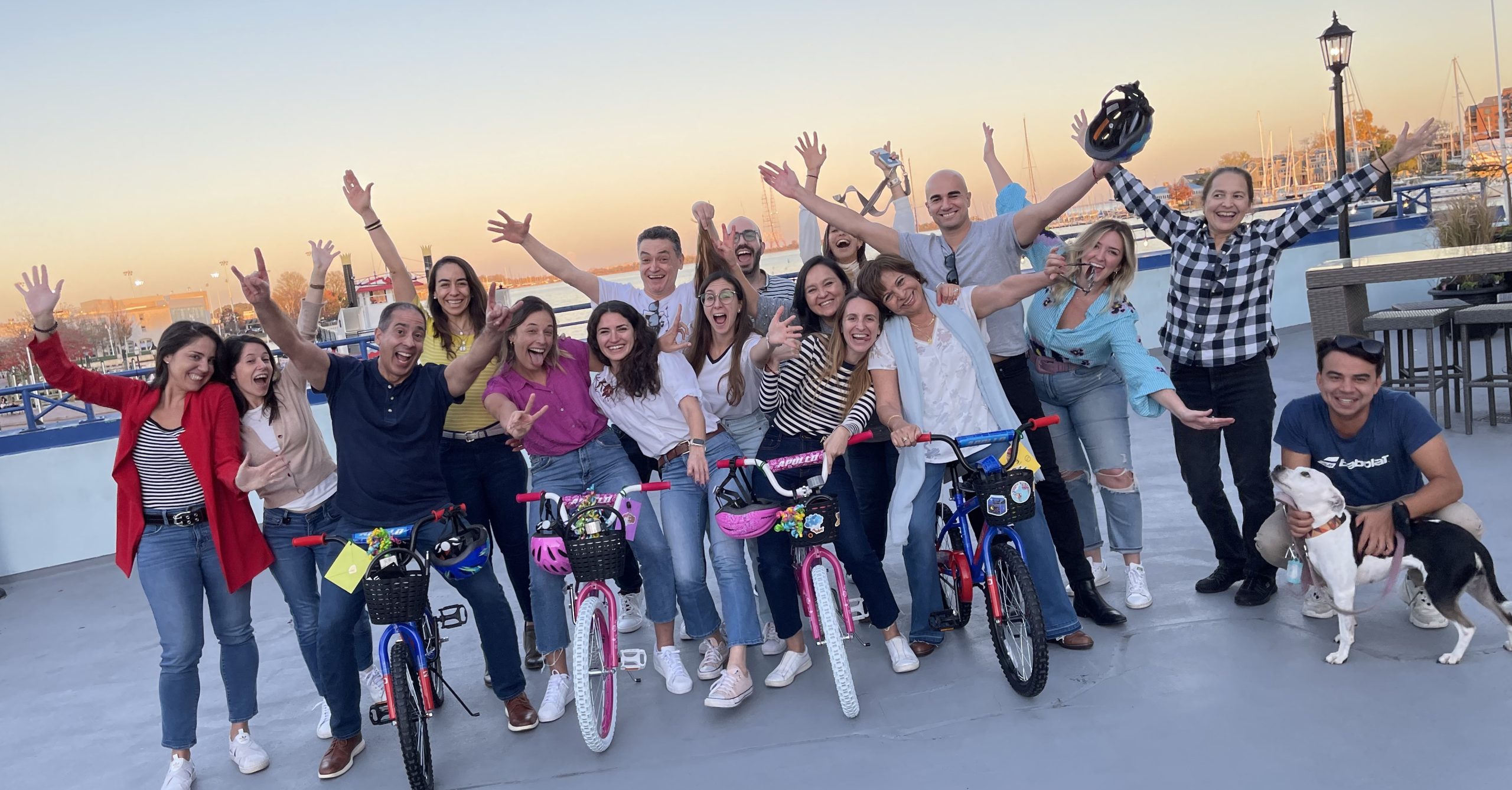
Whether it’s a professional development workshop or an interactive team challenge, the shared experience of working toward a common goal builds trust, improves communication, and strengthens the bonds that make teams truly effective.
Encourage continuous learning
Development shouldn’t stop after a single training session. The most successful teams I work with have a culture of continuous learning built into their DNA. That might look like lunch-and-learn sessions, book clubs, cross-departmental shadowing, or giving employees dedicated time to pursue certifications and courses.
The key is making learning accessible and encouraged, not forced. When employees see that their organization values growth and provides real opportunities for it, they’re more likely to take ownership of their own development. And that’s ultimately the goal: creating an environment where people want to grow, not one where they’re told to.
How to build an employee development strategy that sticks
Having a list of creative employee development ideas is great, but without a strategy behind them, they’ll fizzle out. Here’s a simple framework I share with the teams and leaders I work with.
Start with a needs assessment. Talk to your employees. Find out where they feel confident and where they want to grow. Use surveys, one-on-one conversations, or tools like the StrengthsFinder assessment to gather real data.
Set clear, measurable goals. Development for the sake of development doesn’t inspire anyone. Tie your initiatives to specific outcomes, whether that’s reducing turnover, improving team communication, or preparing a cohort for leadership roles.
Mix up the methods. Not everyone learns the same way. Combine formal training with experiential learning, mentorship, self-directed study, and team building activities. Variety keeps things fresh and ensures you’re reaching everyone.
Make it ongoing. One workshop a year isn’t a strategy; it’s an event. Build development into the rhythm of your organization. Monthly check-ins, quarterly workshops, and annual goals create a cadence that keeps momentum alive.
Measure and adjust. Track your results and be willing to change course. If something isn’t working, try a different approach. The best employee retention strategies are the ones that evolve with your team.
Ready to invest in your team’s growth?
Employee growth and development ideas aren’t merely nice to have. They’re actually a business necessity. Organizations that prioritize development attract better talent, retain their best people longer, and build teams that can adapt to whatever comes their way.
If you’re ready to take the next step, TeamBonding has been designing professional development workshops and team building experiences for over 30 years. We know what works because we’ve seen it in action with thousands of teams across every industry. Whether you’re looking for leadership development, communication training, or a team building experience that doubles as a growth opportunity, we can help.
Explore our full lineup of professional development programs, and let’s build something great together.


Get more insights in our newsletter:
* every subscription supports charity!
PODCAST
Get ideas, inspiration and best practices from across the globe.




Plays well with these activities.