


12 Ways to Build Meaningful Employee Connection at Work
Most teams think they’re connected because they show up to the same meetings, share the same Slack channels, and hit the same quarterly goals. But that’s not employee connection. That’s proximity.
I’ve been running TeamBonding for over 35 years, and one thing I’ve learned is that real connection at work, the kind that makes people want to show up and give their best, takes intentional effort. And far too few leaders prioritize it.
According to a recent Gallup poll, only 23% of employees are engaged and connected at work. That number should stop every leader in their tracks. A team built on strong employee connection is more innovative, more collaborative, and more productive. People stay longer, show up more fully, and lift each other up when things get hard.
So why does meaningful workplace connection feel so hard to build? In this article, I’m sharing 12 strategies I’ve seen work, for leaders who want to move beyond proximity and create the kind of corporate connections that change culture.
Before we dive in: every team is different. Not every strategy here will fit your context perfectly, so keep your specific workplace dynamics in mind as you consider which ones to apply first. The goal is to find what works for your people and build from there.
12 ways to build meaningful employee connection at work
1. Communicate openly and regularly
If you can’t communicate freely with the people around you, you can’t connect with them. Effective communication is the foundation every strong relationship is built on, and it’s the first place leaders should focus when they want to improve connection in the workplace.
Promote an open-door policy. Create spaces where people can voice concerns, share ideas, and bring up mistakes without fear. Use multiple channels: one-on-ones, team meetings, Slack, whatever works for your team.
At TeamBonding, we use Slack channels for everything from client wins to weekend photos. Birthday shoutouts, football pools, “what did you do this weekend?” threads: all of it helps people show up as full humans, not just job titles.
2. Listen actively
Listening is a form of respect. And when people feel genuinely heard, they feel more connected. Active employee listening means being truly present in a conversation, not just waiting for your turn to respond.
It’s one of the simplest things you can do as a leader, and one of the most impactful. When people know you care what they think, they open up more. And when people open up, real connections form.
3. Empower employees
One of the fastest ways to deepen connection is to trust people with real responsibility. When you give employees the freedom to make decisions and own outcomes, you send a clear message: we believe in you.
Empowerment builds confidence. More confident employees are more comfortable around their teammates, more willing to take creative risks, and more engaged in the work itself. Pair that with strong interpersonal relationships in the workplace, and you’ve got a team that genuinely supports each other.
4. Recognize and appreciate contributions
Recognition is one of the most underused tools in any leader’s toolkit. Recognizing your employees for their work, celebrating their wins, and appreciating their contributions builds connection in a way few other things can match.
Recognition says: I see you. I value what you bring to this team. That’s the kind of message that creates a positive environment where building connections at work comes naturally.
Don’t wait for annual reviews. Shout out great work in the moment, in team meetings, in Slack, wherever it lands with impact.
5. Foster a collaborative environment
Collaboration is one of the most organic paths to employee connection. When people work through challenges together, they see each other differently. They build trust through shared effort, shared wins, and yes, shared frustrations.
Creating that culture means more than assigning group projects. It means normalizing asking for help. It means fostering teamwork as a value, not just a tactic. And it means leading by example: being the first to ask for input and the first to share credit.

6. Emphasize inclusion
If someone on your team doesn’t feel included, they can’t feel truly connected. The two go hand in hand.
Putting real emphasis on DEIB isn’t just the right thing to do; it’s a direct investment in your team. When people who wouldn’t normally work together get the opportunity to collaborate, new relationships form. Inclusion can also help people step outside their comfort zones, where the most meaningful relationships tend to develop.
Navigating diversity and inclusion in a real, lasting way takes intention. But the payoff in terms of connected employees is significant.
7. Provide opportunities for professional development
When employees feel like they’re growing, they feel more invested. And more invested employees are more connected to their work, to their team, and to the organization’s mission.
Professional development opportunities also send a clear message: we’re committed to you for the long haul. Corporate training programs create shared learning experiences that build bonds alongside skills, which is one of the reasons they’re such a strong lever for building connections at work.
8. Support work-life balance
Tired, burnt-out employees don’t have the bandwidth to connect with anyone. They’re just trying to get through the day.
That’s why supporting healthy work-life balance isn’t a “nice to have.” It’s a prerequisite for strong employee connectivity. Respect people’s time. Encourage them to unplug. Check in regularly to see how they’re doing.
Transparency at the leadership level sets the tone for the whole organization. If employees see you taking time off and protecting your own boundaries, they’ll feel more comfortable doing the same.
9. Promote employee wellness
Wellness and connection are deeply linked. When people are stressed and depleted, they withdraw. When they feel supported in their wellbeing, they open up.
Employee wellbeing initiatives go a long way toward showing your team you care. At TeamBonding, we have a wellness app that gives employees discounted gym memberships and access to meditation tools. Our teams also take “mental health walks” when the weather cooperates: small gestures that have a real impact on how supported people feel.
And if you’re thinking about the bottom line: supporting employee wellness drives retention, reduces absenteeism, and helps fight boreout before it takes hold. It pays off.

10. Create social bonds through shared experiences
Here’s something I’ve seen play out over and over again. People can work side by side for years and still barely know each other. They know each other’s job titles. They know how to collaborate on a deliverable. But they don’t know who that person really is.
I was reminded of this recently when we ran a team building program for a fully remote tech company. Brilliant people, highly efficient, great at their jobs. But when we asked how often they interacted beyond Slack messages and project updates, the answer was: not much.
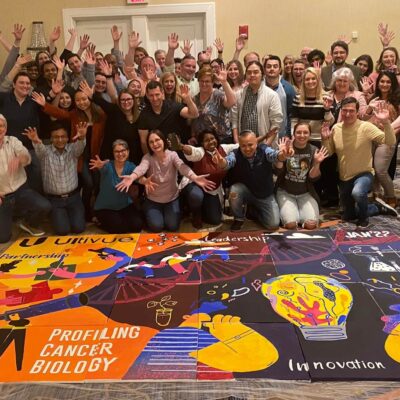
We brought them together for a live, interactive experience: collaboration, problem-solving, a little healthy competition, and a lot of laughter. At the end, one participant said something that has stuck with me: “I’ve worked with these people for two years. This is the first time I feel like I actually know them.”
That’s not something AI can deliver. And no amount of efficient project management replaces it.
That’s exactly why shared experiences matter so much. When your team does something together outside the usual workflow, something that lets people be playful, creative, and a little vulnerable, real bonds form. Plato said it best: “You learn more about a person in an hour of play than in a year of conversation.”
Team building is how we create those moments. Events like The Prosthetic Hand Project, The Donation Station, and the Charity Bike Build give teams something meaningful to do together. The bonds that form aren’t superficial; they carry right back into the workplace and change how people work together every day.
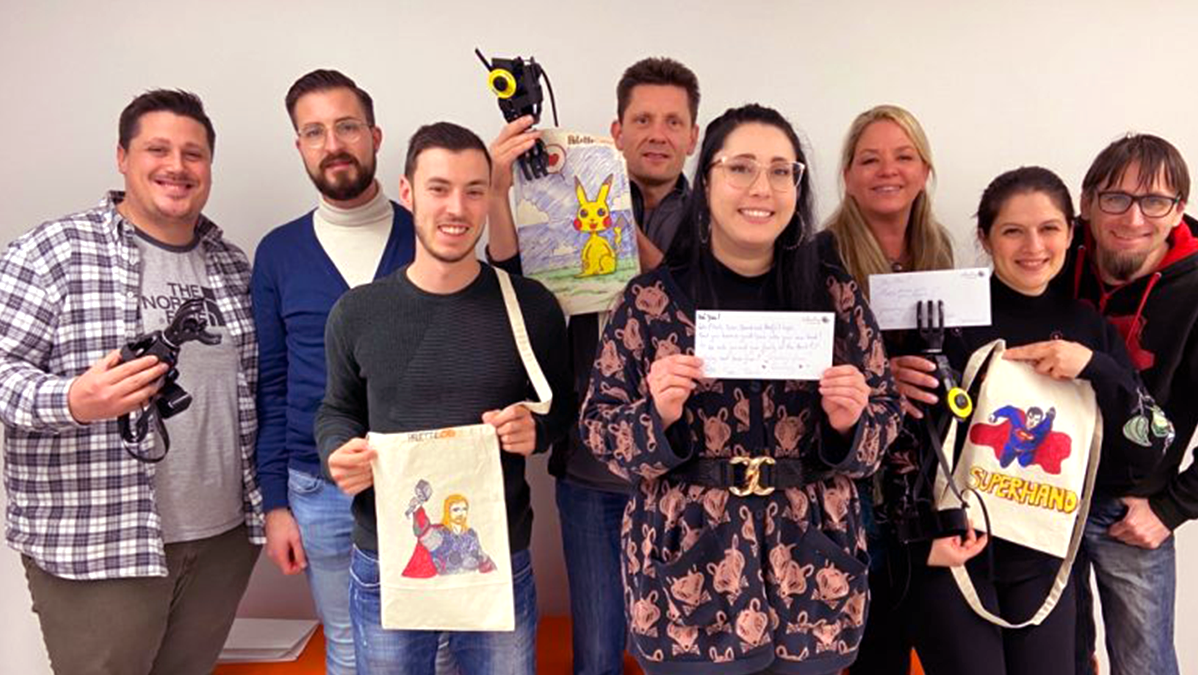
One of the best examples I can point to is our own internal CSR team here at TeamBonding. They’re a tight-knit group that not only creates volunteer-driven events for clients but also organizes bonding experiences for themselves, from afternoon tea parties to attending each other’s weddings. That team has a significantly lower turnover rate than the rest of the company, and I believe it’s directly tied to how well they know and care for each other.
Fun isn’t a perk. It’s part of the strategy. And the most meaningful workplace connections don’t form in performance reviews. They form in the moments between the work.
11. Lead by example
Everything on this list starts with you. You can put policies and programs in place, but if you’re not modeling the behavior yourself, employees won’t follow.
Want more employee connection on your team? Start showing up differently. Invite people into conversations. Share what you did last weekend. Take time off and make it visible. Be the first person to ask how someone’s really doing, not just how the project is going.
When I noticed one of our earliest team members, our Director of Corporate Training, Jayne, was disengaged and exhausted, I didn’t wait for her annual review. I bought her a ticket to visit her family in the UK. That’s what empathy looks like in practice, and it’s the kind of culture that keeps people connected for the long haul. Many TeamBonding team members have been with us for 20-plus years because they feel seen and genuinely cared for.
If you care about your coworkers as people, you care more about the work. too. Leadership is about creating an environment where people love coming to work: where they feel valued, energized, and part of something bigger than themselves.
12. Measure, listen, and adapt
No two workplaces are the same. What deepens employee connection on one team might land differently on another. That means you need to track what’s working and be willing to change course.
Solicit regular feedback. Use surveys. Watch engagement levels. If something’s not working, adapt. At TeamBonding, our executive team reviews culture initiatives every year in close collaboration with department managers, shares the process openly with employees, and actively invites candid feedback.
The only way to keep improving is to keep listening. Learning how to improve connection in the workplace is an ongoing process, not a one-time fix.
Start building employee connection with TeamBonding
Employee connection isn’t a box you check once and move on. It’s a daily practice and a leadership commitment.
The good news? You don’t have to figure it out alone. At TeamBonding, we’ve spent over 35 years helping organizations build stronger, more connected employees through the power of play. With 200+ customizable programs available in person, virtually, and in hybrid formats, we make it easy to create the shared experiences that turn colleagues into a real team.
Ready to strengthen employee connection across your organization? Get in touch with our team today and let’s build something great together.


Get more insights in our newsletter:
* every subscription supports charity!
PODCAST
Get ideas, inspiration and best practices from across the globe.




Plays well with these activities.