


MEI vs. DEI: What It Means for Workplace Teams
Workplace strategy has evolved over the last decade, especially around diversity, equity, and inclusion. Lately, a new idea is trending: MEI. The alternate framing of Merit, Excellence, and Intelligence is often a form of pushback to traditional DEI efforts.
This article explains what DEI is and how it compares to MEI. We’ll talk about why diversity still matters as part of merit, not in spite of it. We’ll also walk through how to build a modern strategy that embraces outcomes, culture, and real team performance.
What is DEI?
In simple terms, DEI stands for Diversity, Equity, and Inclusion.
- Diversity means having a mix of identities, experiences, and backgrounds on your team. These differences strengthen teams and businesses by offering diverse viewpoints that can drive creativity, help address blind spots, and nurture an inclusive environment.
- Equity is the acknowledgment that not everyone has access to the same opportunities and resources. In the effort to ensure this disparity is addressed, it also means creating fair opportunities for everyone to access growth and success.
- Inclusion is about how comfortable, safe, and connected employees feel in their workplace and with their coworkers. When everyone feels welcome, they are more genuine and better able to contribute.
Many organizations also talk about belonging alongside DEI—the sense that you matter and are fully part of the team. That makes the acronym DEIB, another common usage for the idea behind it. A sense of belonging in the workplace means employees have community support, are valued for their contributions, and have ample opportunities for growth and personal development.
Human relations consultant Melanie Miller summed up diversity like this:
“Diversity is all the differences and similarities people show up with. It’s all the differences that you have in your workforce. It’s all the differences that you have in the community that you serve. It’s the differences in your marketplace, and it’s the differences that are on your team.”
Why have many companies embraced DEI?
Organizations that intentionally broaden who’s at the table are often more creative and better at solving complex problems. McKinsey research suggests that companies with more diverse leadership teams tend to perform better financially:
The top 25% most gender-diverse executive teams were 25% more likely to achieve above-average profitability than those in the bottom quartile. The effect grew as representation increased. Organizations with more than 30% women executives outperformed those with lower representation, with nearly a 50% gap separating the most and least gender-diverse companies.
The pattern was even stronger for ethnic and cultural diversity. Companies with the most diverse leadership teams were 36% more likely to outperform their least diverse peers.
Meanwhile, a toxic work environment can hurt employee wellbeing, teamwork, creativity, turnover, and profitability.
That’s not just feel-good language—that’s performance.
But the conversation around DEI has shifted. Some leaders are asking whether traditional DEI structures are delivering results the way companies hoped. There’s a new acronym on the block: MEI.

What is MEI?
So what is MEI? MEI stands for Merit, Excellence, and Intelligence.
It’s a workplace philosophy that emphasizes outcomes, capability, and measurable contribution. Here’s how it breaks down:
- Merit means valuing skills, performance, and potential.
- Excellence means striving for the highest quality results.
- Intelligence means learning quickly, adapting, and solving problems.
It’s easy to see why folks talk about MEI vs. DEI— it’s a reaction to confusion around the implementation, measurement, and results of traditional DEI programs. Some people feel that DEI has become too vague or focused on processes that weren’t delivering clear business value.
That raises a key question many leaders are asking.
How does MEI compare to DEI?
When you look at MEI vs. DEI, it doesn’t have to be about picking one and discarding the other. We can start by understanding why some leaders are seeking a different approach.
So why is there backlash against DEI? Some business leaders want strategies that drive measurable business outcomes and fairness without ambiguity. Those under pressure to show ROI can feel that traditional DEI efforts sometimes lack clear metrics tied to performance, productivity, or retention.
No one I talk to wants unfairness or exclusion. What they do want is clarity about how their hiring strategy impacts performance.
Here are some of the reasons I’ve heard for wanting to use MEI instead of DEI:
- Unclear measurement: Some organizations struggled to track how DEI programs improved business results.
- Implementation challenges: A strategy that works in one team doesn’t always scale across an entire company.
- Perception gaps: Employees sometimes feel DEI initiatives are superficial or box-checking rather than substantive.
- Competing priorities: When performance and cultural goals feel misaligned, leaders want frameworks that align with both.
So when people ask, “Is DEI over?” that’s usually shorthand for “Is the traditional approach working the way we thought it would?”
The short answer: it’s not over; it’s evolving. Companies can include a focus on MEI while also recognizing that diversity can strengthen those desired outcomes.
Why diversity still matters to excellence
When teams focus on performance, what matters most is how well they think together. Strong outcomes rarely come from one perspective. They come from ideas being tested, refined, and improved through discussion.
Teams composed of people with diverse experiences tend to identify different risks, ask different questions, and approach challenges from multiple angles. Over time, that leads to better decisions and more resilient solutions, especially in fast-changing environments.
Research supports this pattern. A Harvard Business Review study found that teams with diverse cognitive styles (people who think differently) solve problems faster and generate more options. That’s diversity in action: widening the range of inputs that inform performance.
Seen this way, it’s not really DEI vs. MEI. DEI helps broaden who can contribute, while MEI keeps the focus on outcomes, quality, and continuous learning. When those two ideas work together, teams are better positioned to perform well over time.
How to build a modern workplace strategy that includes both DEI and MEI
So, how do you actually put this into practice? Building a strategy that supports both DEI values and MEI outcomes starts with clarity. Not slogans or one-off initiatives, but clear goals, ownership, and follow-through.
Start with leadership alignment
Any meaningful effort needs buy-in from the top. When leaders understand how DEI supports merit, performance, and better decision-making, teams are more likely to take the work seriously and stay consistent over time.
Assess where you are now
Before setting goals, take stock of your current culture and practices. Examine engagement, employee retention, advancement patterns, and decision-making to identify where to focus for the greatest impact.
Set clear, measurable objectives
This is where DEI and MEI align most clearly. Define success in concrete terms, such as retention by role, engagement tied to belonging, performance outcomes, or how effectively teams work across differences.
Assign ownership and roles
Progress slows when responsibility is unclear. Be specific about who owns each part of the strategy and how results will be tracked. This keeps the work practical and accountable.
Build in feedback, not just metrics
Numbers matter, but listening does, too. Ongoing feedback helps surface whether people feel supported, growth feels fair, and different perspectives are influencing decisions.
Use team building to reinforce the work
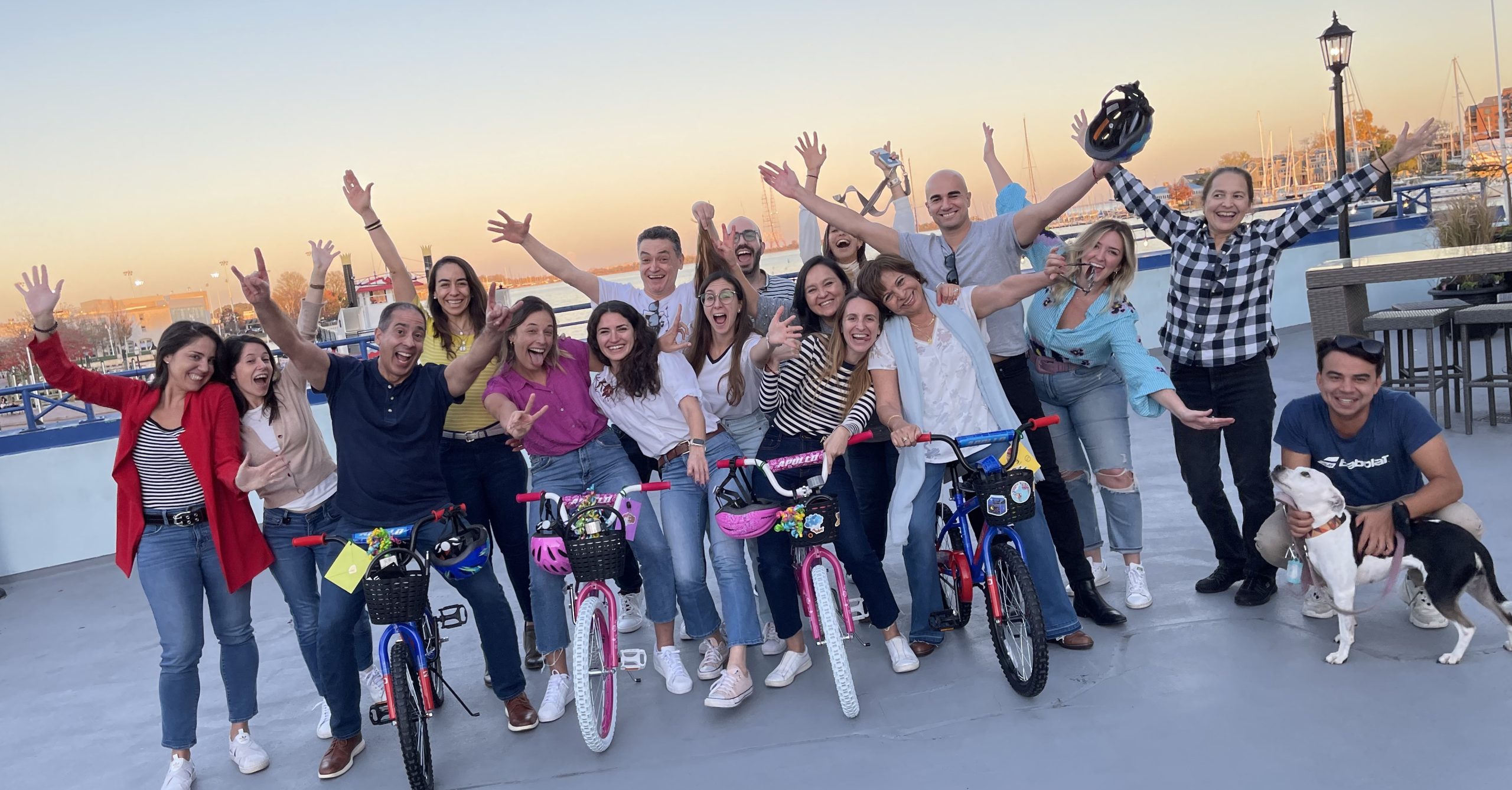
This is where strategy becomes tangible. When teams work through challenges together, different thinking styles emerge naturally. Collaboration improves, DEI becomes a lived experience, and MEI goals are easier to reach.
At its core, this kind of strategy doesn’t ask anyone to pit DEI vs. MEI. We just need to recognize that diversity, when thoughtfully measured and supported, strengthens how your teams perform. That better sense of connection improves the bottom line.
The current DEI landscape
It’s one thing to talk about DEI and MEI in theory, but it’s useful to look at recent data to understand how organizations and employees are responding right now.
A 2025 study found that 76% of employees say they are more likely to stay with an employer that supports DEI, and that number rises to 86% for Gen Z workers. These findings suggest that workplace inclusion remains a key factor in retention and career decisions.
Other recent research shows that 86% of employees report feeling a sense of belonging at work. Yet despite that, only 76% feel safe speaking up when something feels off.
Many companies are keeping DEI strategies active even as they reassess how they label and integrate them. A 2025 report on workplace culture found that about 60% of organizations have an active DEI strategy, most maintain a budget for it, and many still have dedicated leaders driving the work forward.
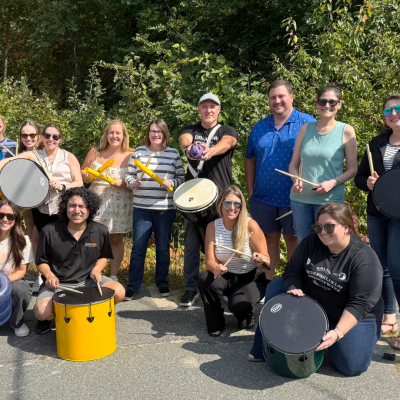
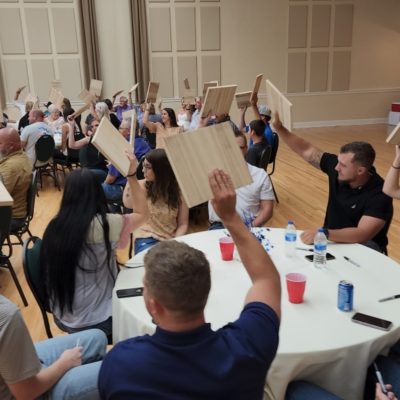
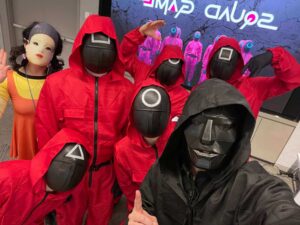
At the same time, these business transformation efforts aren’t without real challenges. How organizations navigate them influences their reputation, talent retention, and culture in measurable ways. One way to address some of these challenges is through team building. Events like Breaking Barriers and Squad Games can help to bring teams together and show the power of inclusion.
Perspective differences don’t just show up in our values. They show up in decisions. As Miller shared, even small gaps in life experience can have real consequences:
“They called it the Nova after the shining star and sold beautifully here. Then they shipped it down to Latin America. It didn’t sell well, and of course, they put a committee together to figure out why. They found out… if you’re speaking Spanish, no va means no go. So they were calling this car the no-go car.”
Examples like this highlight why DEI isn’t only about representation. It’s about reducing blind spots, improving judgment, and making better-informed choices. That’s why it continues to matter in the workplace.
Embracing DEI as part of MEI
DEI still plays an important role in how teams perform day-to-day. When people feel respected, heard, and able to contribute fully, engagement improves. So do collaboration, creativity, and retention. It’s not really DEI vs. MEI, and you don’t have to choose one over the other. DEI is a critical component of MEI, helping teams achieve higher levels of merit, excellence, and intelligence.
Diversity strengthens performance by widening perspective. Teams with varied experiences are better equipped to challenge assumptions, adapt to change, and make stronger decisions. This is where intentional team building comes in.
When teams work through challenges together and learn how to leverage different viewpoints, DEI becomes practical, and MEI becomes achievable. We help teams bring these ideas to life through experiences that improve how people work together and perform over time. You can make your workplace more open, accepting, creative, and productive by utilizing our events.
If you’re ready to take the next step, we’d love to talk.


Get more insights in our newsletter:
* every subscription supports charity!
PODCAST
Get ideas, inspiration and best practices from across the globe.




Plays well with these activities.