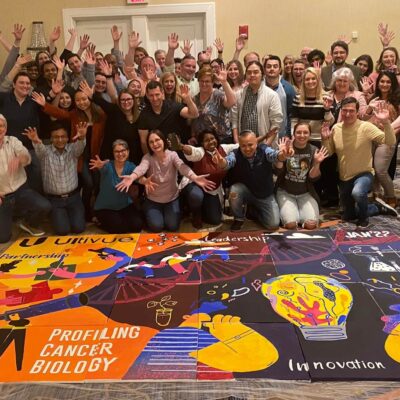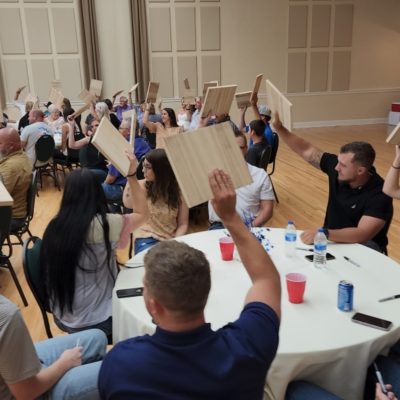
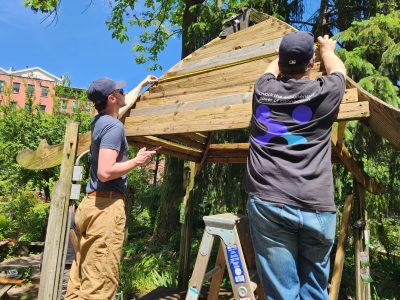


What It Means To Be Team-Oriented at Work
When deadlines pile up and tensions run high, what separates a group that pulls through from one that falls apart usually comes down to one thing: whether they truly work as a team. A team oriented workplace gets more done, holds onto its best people, and turns everyday challenges into shared wins.
I’ve spent years watching teams come together and, occasionally, come undone. The pattern behind that is hard to miss. Team oriented employees tend to be more engaged, more productive, and happier at work than those who go it alone. They keep teams glued together, drive teamwork, and bring a contagious kind of energy.
Being team oriented, meaning you put the group’s welbeing first, is all about focusing on the whole. These individuals pour their efforts into the team and its goals rather than themselves, and they help strengthen the company culture along the way.
In this article, I’ll break down what it means to be team oriented, the traits team-focused people share, the benefits of this kind of culture, and how to build that environment, plus a few practical tips to help you get there.
How do you define team oriented?
Being a team player means working within a team and focusing on the team’s welbeing. It’s a simple definition, but it carries a lot of weight once you see it in action.
What does that look like in the real world? In practice, being teamwork oriented means prioritizing the group as a whole over yourself. It’s less about grand gestures and more about the small choices you make every day.
Prioritizing yourself vs. being team focused
Picture this: you’re working on a project alongside someone you don’t quite see eye to eye with. The friction is real, and you’ve got two ways to handle it.
If you’re not a team player, you might let your ego take the wheel. That leads to arguments, simmering resentment, and drama that can quickly spread across the whole group.
If you are a team player, though, you handle it differently. You focus on the actual work, look for compromise, and figure out how to move forward together despite your differences. At the end of the day, team players put the team and its wellbeing first.

What are the traits of team-focused people?
Team focused people share a handful of standout traits, and the first one you’ll notice is strong collaboration and communication skills. They speak clearly, listen well, and use that skill to fuel their work with others.
They get that communication isn’t a nice-to-have; it’s the engine behind every good collaboration. So they keep the lines open.
Another trait pair is flexibility and adaptability. As we all know, things rarely go exactly as planned, and that’s even truer when you’re working with a group. Plans shift, surprises pop up, and you have to roll with it.
Team-focused people know that adapting is part of protecting the team’s welbeing, so they do their best to go with the flow and stay focused on what really matters: the group as a whole.
Finally, team-focused workers tend to be positive and supportive. We all need a little encouragement now and then, and it’s a key part of a healthy workplace. These folks lift up the people around them and keep morale high, which benefits everyone.
What are the benefits of a team-focused culture?
A team oriented culture pays off in ways that show up on both the human side and the bottom line. Once you understand these benefits, building the culture you want gets a whole lot easier.
Productivity and accomplishments
The biggest business benefit is a jump in productivity. It shouldn’t shock anyone to find out that healthy, supportive teams focused on the group simply get more done.
When everyone works together and puts the team’s welbeing first, the output speaks for itself. People accomplish more, which is good for them personally and great for the company. If you want to dig deeper here, our guide on increasing workplace productivity is a solid next read.
Innovation and creativity
Another big win is enhanced creativity and innovation. It makes sense that a team supporting one another ends up being more inventive.
Innovation usually relies on people coming together, leaning on each other’s strengths, and building something none of them could have made alone. A group that collaborates well can do wonders for fresh ideas, which is exactly why so many companies work to build a culture of innovation at work.
Employee satisfaction and retention
The last benefit is improved employee satisfaction and retention, and it’s a big one. This kind of culture helps build a better work culture overall, which carries its own long list of perks.
In a positive culture, employees feel better. They’re less burnt out, less stressed, more engaged, and more energized. Happier employees do better work, and that’s a benefit any business will take.
It also means people feel like they matter and are part of something bigger. That sense of belonging boosts satisfaction and, in turn, keeps your retention rates high because employees don’t feel the urge to look elsewhere.
How do you build a team oriented environment?
You build a team oriented environment by modeling it from the top and reinforcing it at every level. It’s a simple question with a lot of moving parts, so let’s walk through the basics of creating a teamwork oriented environment.
Start at the top
Leaders have to show employees what being team oriented really looks like. People follow by example, and they won’t prioritize the team if their leaders don’t. That means team oriented leadership starts with the behavior at the top.
There are plenty of ways leaders can put the team first, and clear communication is at the center of them all.
Communicate effectively
Talk to your employees about what’s going on, ask how you can support them, and be honest. Give people the chance to speak directly and take their concerns seriously. Active listening and straightforward communication are the foundation here.
Trust your team
Team oriented leaders also know their people well. Everyone has strengths and weaknesses, and good leaders use that knowledge to make decisions that serve the team.
Above all, stay open-minded and trust your team when they come to you. If you want ideas for flexing those muscles, these leadership activities to try at work are a great place to start.
Celebrate success
Make sure your employees feel valued. Celebrate their wins and make a point of acknowledging their hard work.
Consider rewards for big victories or milestones. They go a long way toward showing how much you care about the team and what they accomplish together.
How do you get your team involved?
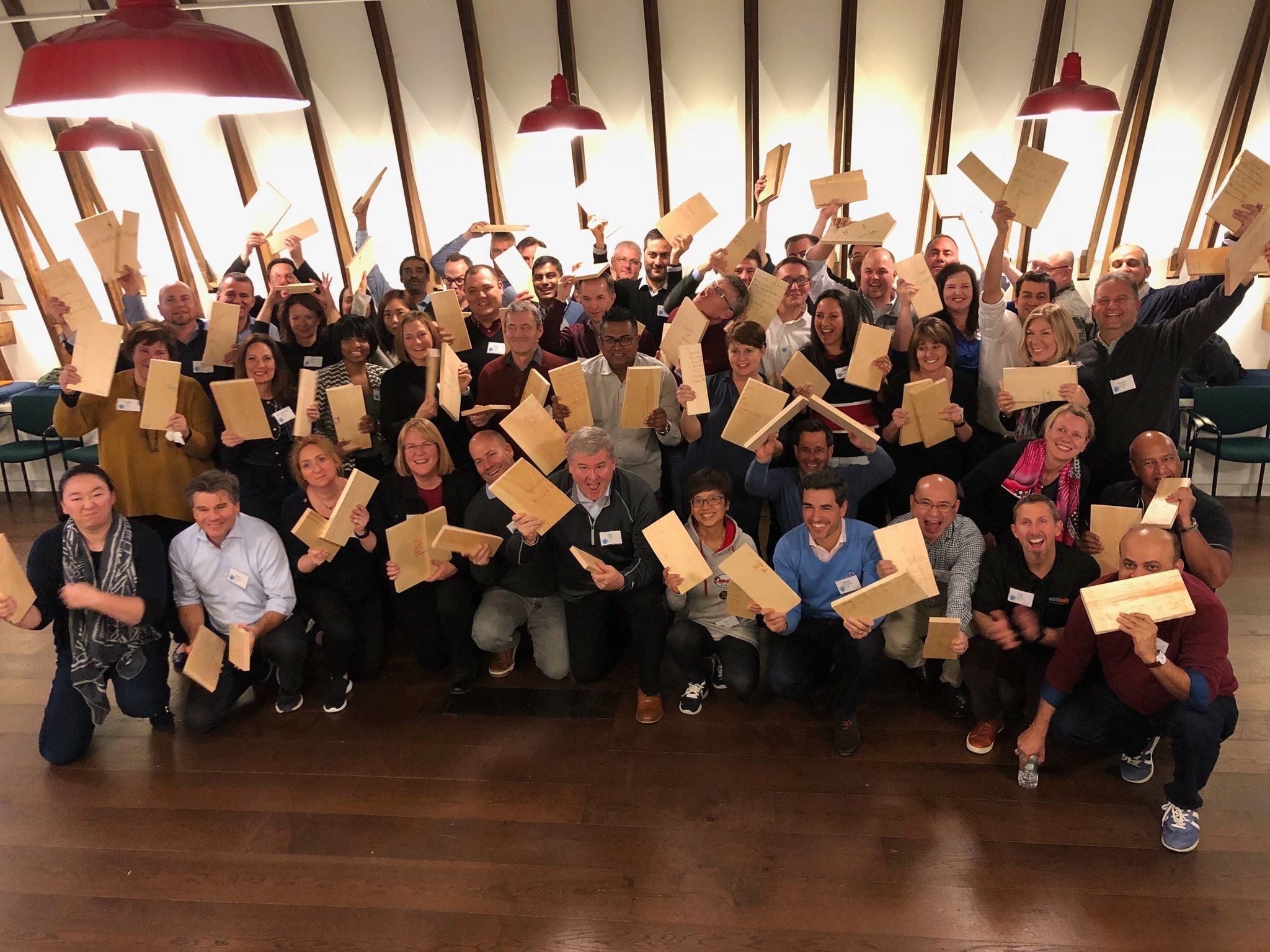
Even when leaders nail all of the above, the work isn’t done, because employees and team members carry real responsibility too. They need to communicate, build connections, trust each other, celebrate wins, and put the team first.
It gets easier when leaders set the tone, but it can still be a struggle. That’s where intentional experiences come in. Below are a few different paths you can take to strengthen these habits, depending on what your group needs most.
Develop teamwork and leadership skills together
If your goal is sharpening core skills, focused training is the way to go. Workshops give people a dedicated space to practice communication, trust, and collaboration without the pressure of a live deadline.
The High-Performing Team Workshop is built for exactly this. It helps turn an ordinary group into a genuinely high-performing team by digging into the dynamics that separate functional teams from truly great ones, like trust, communication, and shared accountability.
For leaders who want to grow their own toolkit, our broader professional development programs cover everything from communication to confident supervision.
Bridge generational gaps on your team
If your team spans several generations, helping people understand each other is one of the fastest ways to strengthen collaboration. Today’s workplace can include up to five generations, each with its own values, motivators, and communication style.
Multi-Generational Workforce Training tackles this head-on. Participants explore what drives Baby Boomers, Gen X, Millennials, and Gen Z.
From there, they learn practical ways to adapt their communication, manage expectations, and turn generational friction into stronger teamwork. It’s a smart move for any group navigating a wide age range.
Give back as a team
Sometimes the best way to bond a team is to point its energy outward. Giving back together breaks down walls fast, because people see each other in a new light when they’re working toward something bigger than the next quarter.
The Do Good Bus is a great example. Your team heads out for a day of volunteering, fun, and community engagement without knowing the destination until they arrive, so they share the excitement of the surprise while supporting a cause in their community.
This kind of activity emphasizes flexibility, cooperation, and the shared satisfaction of giving back. If you want everyone extra engaged, ask them about causes they’d like to support beforehand.
Prefer something hands-on at your own venue? Team Teddy Rescue Bear has your group solve puzzles and crack codes to earn teddy bear parts, then build and dress bears for children in need.
It’s a heartwarming way to spark teamwork and a sense of purpose at once. You can explore more options like these among our charitable team building activities.

Push past self-imposed limits
If your team needs a confidence boost or a jolt of motivation, an experiential challenge can shake things loose. Breaking Barriers is a fun, karate-based event where teams overcome self-imposed limitations, focusing on motivation, confidence, and stepping outside their comfort zones.
Using a board to symbolize the insecurities holding them back and the goals they want to reach, the event encourages your team to literally smash through obstacles on their way toward success. It’s exhilarating, a little nerve-wracking, and surprisingly transformative when a group does it together.
Tips for individuals to foster team oriented behavior
Finally, let’s touch on ways you can personally foster a team-focused culture. Creating a team oriented workplace can be tough, but these tips make it a little easier.
Focus on communication and listening
You can’t build this kind of culture without strong communication, so make it a priority. Practice active listening, give everyone a chance to be heard, and take people’s input and concerns seriously.
It sounds basic, but it’s the habit most teams skip when things get busy. Slowing down to really listen pays off more than almost anything else.
Develop teamwork skills
Teamwork is essential if you want a team-focused culture, so invest in it directly. Help people build their teamwork skills through exercises, activities, and structured team building experiences.
Skills like these don’t develop by accident. The more reps your team gets, the more natural collaboration becomes.
Encourage collaboration
Embrace a collaborative mindset and let people pool their talents and work as a unit. Activities and team building exercises are a great way to nudge a group in that direction.
This is another place where leaders need to lead by example. Show your team you’re willing to roll up your sleeves and be a team player right alongside them.
Focus on your team with TeamBonding
A team oriented culture is essential if you want your people and your workplace performing at their best. When employees put the team first, you get more productivity, creativity, innovation, retention, and satisfaction across the board.
Building that culture may seem daunting, but it’s absolutely achievable. Lead by example, focus on team focused skills, and genuinely value your people, and you’ll create a team oriented workplace that lifts everyone up.
If you’re ready to put your team first, TeamBonding can help. We’ve spent over 20 years designing corporate events, and we have a full range of programs built for exactly this kind of work. So take action and get in touch today.


Get more insights in our newsletter:
* every subscription supports charity!
PODCAST
Get ideas, inspiration and best practices from across the globe.




Plays well with these activities.