Blog... Team Blog
From the mind, mouth and ears of David Goldstein, Founder, of Teambonding
Team building with a twist: Terex execs build bikes
Posted by David Goldstein on 12 Jan 2012
Redmond Reporter…
This might not be 9-year-old Billy Dean’s first bike, but he’s never been more excited to cruise around on a new set of wheels.
“I think it’s the best bike I’ve ever had,” he said. “It has a kickstand, and I’ve never, ever had a kickstand.”
Billy is one of 21 kids who received bikes through the Redmond-based Starlight Foundation on Wednesday. The kids or their siblings have been diagnosed with serious illnesses.
Executives of Terex Aerial Work Platforms, a manufacturer of heavy equipment headquartered in Redmond, gathered from around the world to assemble bikes in a team-building exercise at the company’s yearly kickoff conference.
Billy and his sister both received bikes. Their mother, Patty, said she’s very thankful as the two kids have to sit through many doctors’ appointments for their younger brother, who has a disease where food attacks his body.
“I was so excited – the bikes they have are thrashed,” Patty Dean said. “It’s very nice that (Terex) is reaching out to the consumers that buy their products.”
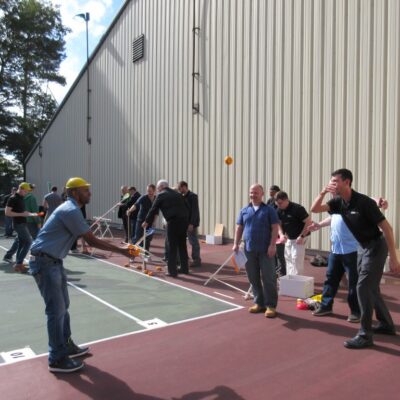
The executives spent an hour assembling the bikes and were in for a surprise when they found out they would get to personally meet the families and give away the bikes. But before the grand finale, the employees underwent a rather elaborate assembly competition.
It started with trivia questions – the conference’s 78 executives broke into teams, and each had to get 27 correct answers to earn enough tokens to “buy” the unassembled bikes. Once built, the bikes had to pass inspection before the teams could decorate them.
“We have girls, all of us, so we know what is needed,” said Lars Raagaard, who works in Denmark as manager for the Scandinavian division. His team tied balloons to the bike’s handlebars and neatly wove streamers through the spokes and frame.
Other teams went for pipe cleaners, twisting and turning them every which way to form a pattern.
“I’m in finance, and we’re generally not allowed to be creative,” joked Ron Lance, a finance director from North Carolina, as he tied pipe cleaners to the back wheel of a pink and purple pastel-colored bike.
Next, the executives donned kid-sized helmets and blindfolds to ride through an obstacle course before giving a 30-second marketing pitch to promote their creations.
Some rapped, some sang, and one executive dropped into the splits after pulling off dance moves that would make even Napoleon Dynamite jealous.
An event organizer then spoke about the significance of receiving his first childhood bike. Sridher Sukumaran, vice president of human resources in Redmond, grew up in a modest family in India where bikes cost 500 rupees, the equivalent of $10. He used to look out the window and see the neighbor kids ride by his house. He tried to borrow their bikes as often as he could, always wishing for one of his own.
“At that age, you don’t understand all the pressures your parents are going through,” he said.
Then one day, his parents surprised him by bringing home a bike. He couldn’t believe it, and neither could the Starlight kids as they entered the assembly room and ran toward their gifts.
One of the executives helped push 6-year-old Hayden Harbrige around the room on her new bike, making sure she didn’t fall as she is just learning how to ride without training wheels.
“I think it’s very nice,” said her sister with a big smile as she saw Hayden admiring her bike. “I think she is very lucky for sure.”
Managers Top 10 Resolutions for a Better Team
Posted by Tyler Hayden on 09 Jan 2012

1. Lose Weight
It’s time to get lean and efficient. If 2009 taught us anything it’s that we have excess. And excess is nobody’s friend – for end of year bottom line or seeing my bottom in jeans.
Get real about the projects and initiatives you serve. Do a circle check of your team and business and invite those people and things that aren’t adding value to find a new place to do so. Even in tough economic times we aren’t doing people any favors by keeping non producers in jobs that they are not energized about – it also demoralizes energized staff. While you’re at it, look around look for:
- unneeded monthly subscriptions to trade publications or online services
- things that drain your energy or eat up your time – do an assessment of how you spend your day and cut out inefficiencies
- stationery expenses – are you printing things that can be shared online, do you still have costly sales tools that could be digital, etc.,
- travel costs that may be streamlined with virtual tools or by grouping face-to-face travel events
- communication costs you can trim by using VOIP, Skype, or IM – all can save time and money
Instead of carrying that extra weight, set the excess free. By eliminating that extra weight you’ll tighten up your bottom line and that’s just good financial hygiene.
2. Get Organized
Open your first team meeting by finding out where people are with current projects. Have them do an analysis of three things prior to the meeting: Have Lots, Nice to Have, and Gotta Have. Members will list what resources, skills, and knowledge they possess or their work unit possesses in that area – including personal, professional, and corporate.
- Have Lots are things that your team has more than adequate amounts of resource in (i.e. skills, knowledge, resources etc.)
- Nice to Have are things that your team could really use to improve their efficiency or effectiveness
- Gotta Have are the things that they can’t live without
Once you have your lists, see if you can identify resources that people can share. Instead of just organizing effort organize effectiveness. It’s a more sustainable use of time and resources.
3. Spend Less/Save More
Stop communicating in excess this year. Instead of using email or long meetings to communicate and collaborate on ideas with your team, find and use a virtual tool. There plenty out there from Agile to Survey Monkey to Facebook to SharePoint — depending on what you want to collaborate on.
Walk your team into the 21st century and take advantage of the great cloud of communication possibilities. This will help you spend less time in delivering the messages, keep everyone in the conversation, and move team initiatives forward in real time There is nothing more frustrating for team members then being “out of the loop” or feeling that there are a “chosen few” who are. By using collaborative software, everyone gets to have the opportunity to weigh in on things that matter to the team equally.
Looking for some metrics to share with your controller to access some of these tools? Consider this: Harvard Business Review posted that Tech Giant CSC reduced errors by 75% using collaborative software to build code. How much do errors cost in lost wages, customer service satisfaction, or even downtime.
4. Stay Fit and Healthy
Sick time is down time. Down time costs money. Nobody likes to hemorrhage money. Make it a “team” event to get together and get healthy. Some easy things you can do to improve wellness include:
- At team meetings adjust your meal plan. Stop serving sweets and soda – instead offer up healthy choices like fruit and juices.
- Challenge the team to walk around the world, pick up some pedometers and track their steps on a map (if you want to get really fancy Nike + IPod have an app and tool for that).
- Treat your staff to an onsite massage visit and have the therapist release the stress from the neck and shoulders of your team members.
- Buy bulk gym memberships for team members and include some fitness trainer incentives.
- Take your meeting to the streets. Have “walking” meetings with your team members, bring your smart phones collect the data there and email it back to your workstation, and have a meeting while you walk the streets.
- Buy some full spectrum lighting and install them at your team members’ desks.
5. Learn Something New
Start a book club with your team. Books are an inexpensive way to build knowledge resources within your team. Have members download a title of mutual interest like David Chilton’s The Wealthy Barber Returns, then read and discuss the concept of personal finance.
Share in multigenerational work team successes, learning, and more about the topic of the book, in this case financial success. How can you learn from each other? How does that learning apply to better team functioning?
Don’t overlook this simple, inexpensive, and powerful tool to help teams come together and learn to communicate in a collaborative and developmental way. (The fun thing is that those skills then spill over into your meetings and projects!)
6. Stop Smoking
Connect better with your teams and stop smoking. It’s OK to get heated up and passionate about things during a meeting, but it’s not OK to continue that smoking after the meeting. Agree with your team to disagree. But also agree to continue to grow after the disagreement. Leaders especially CANNOT smoke and fume about what happened in a meeting with other team members after a meeting.
Some ways to make sure that people (including you!) don’t smoke are:
- setting up a group behavioral contract like the Full Value Contract
- doing a learning session on personality styles and how to communicate with those with differing styles
- starting a laughing club at work
It’s OK to disagree and discuss passionately, but it’s not OK to carry that into dislike or distain within the group as a result of team members feeling devalued… that’s a lot of “D” words : )
7. Help Others
Everyone hates performance reviews. Enter … Rypple.com, the most amazing online way of doing everything from 360 Feedbacks to Goal Setting. The time you spend with your team members helping them to achieve better results is time well invested.
Setting up a program like Rypple.com (from which by the way we receive no financial remuneration) helps managers and leaders connect with people in real time. That means employees can grow in the now, which is pretty progressive. And did you know that 45% of new employees will take a lower wage job at a company that embraces the use of social tools like IM, LinkedIn and others? And these new employees, will work for less money if their employers offer these tools… Can you say win/win?
8. Give More
Work casts a bigger shadow over people today than ever before, and leaders and managers are under great scrutiny from both sides of the management hourglass.
The solution is to get your hands dirty… really dirty. Be a manager and leader who actively helps (not meddles) to achieve team outcomes. Your direct reports will see a manager who works diligently towards real business goals and they will see a leader willing to collaborative and be a part of the solution. Cast a shadow that is large as you become “uberactive” with your team in working toward business success.
9. Fall in Love
Getting energized about work is usually results from a couple things. Primarily if a work culture is fun to be in, it’s a place you look forward to going because the people (and leadership) are authentic, caring and fun. And teams that fall in love with what they are doing get excited by the opportunities that a day may bring.
That means reframing the top down objectives in your organization. Don’t just work with only the large goal in mind. Set immediate and short term goals that fire up your team. Celebrate achieving those goals and adjust as the culture and needs change… We live in a very fluid business world where things change fast. Create a team that is able to change along with it.
10. Spend More Time with Family
Great teams are built by people who understand that there every person has two very unique and special families – our work family and our home family.
Leading teams in today’s world (especially multigenerational ones) requires that leaders/managers see and appreciate the stressors and benefits of family – new employees with “young families” and more seasoned employees with “aging parents”. Encourage and reward your team members with things that improve families.
For example, give flowers to a partner who has shouldered the family load while a team member gave 110% to a project, give a sales bonus of “sending a kid to camp” (grandkid, niece/nephew, your own), or hold a family bbq and games day. Connecting like a family creates long term retention and increases engagement.
The Top Trend in Team Building
Posted by David Goldstein on 01 Jan 2012

As children, we all imagined becoming many different things “when we grow up.” The answer varied from the extraordinary—astronaut, president, rockstar, to the less glamorous—teacher, firefighter, librarian. As we got older, the limitations of education and finances fine-tuned our visions and crafted them into the careers we have today. While very few of us became rockstars, age did not diminish our desire for a little enjoyment in all that we do. What often tempers our desire for fun, however, is that nagging little notion known as responsibility. It’s typically the thing in our brains that holds us back from some things, telling us “your time would be more productive doing something else…” the very same notion that keeps us and our companies on the right track.
In the past few years, we have seen one clear trend in the team building industry; the inclusion of corporate social responsibility (CSR). This trend combines the Team Building concepts required of corporate America, with the more philanthropic experiences being promoted in the new economy. Where companies were once seeking day-trips to resorts for fun and recreation, they now are looking to encourage a sense of camaraderie amongst their employees through a shared experience of giving back to the community. The trend began several years ago, and is continuing to hold it’s strongest today, where the concept of philanthropic Team Building activities versus more recreational centered experiences are more frequently requested than they were just a few short years ago.
Team Building, at its core, should enable the employees of a particular business to have fun, while learning something about themselves and how to work better as a team. With the advent of the communications revolution and the changing global market, our modern society is the most fluid and dynamic it has ever been. It is now a matter of course that individuals move between many different groups of people in their work and personal lives. This standard is now common amongst workers in the majority of industries, be it investment banker to catering staff to musician. This movement has created a clear need for developing techniques to help people adapt to the new requirements and how to work cohesively in a new group.
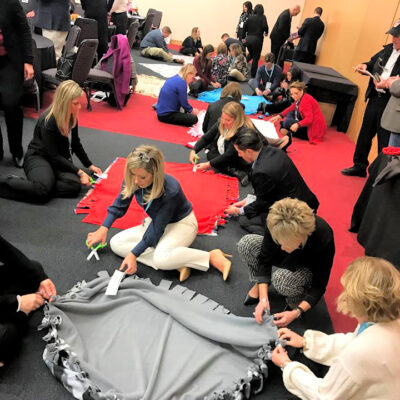
While the activities offered as Team Building opportunities can vary from things like a scavenger hunt to a group cooking lesson, the important difference with Team Building events centered around CSR is that the level of engagement between team members engaged in an experience aimed at benefitting “the greater good” tends to leave a more lasting impression within the organization. Experiences like donating bicycles to underprivileged children, preparing food to donate to a homeless shelter and assembling care packages for soldiers deployed overseas can all help benefit your business while giving back to the community.
This trend in philanthropic Team Building reflects the importance that CSR has taken in the modern world. Companies are finding it hard to rationalize playing games when they are also making hard cuts and tightening budgets. With philanthropic Team Building, businesses get the benefit of Team Building with the added satisfaction of giving back. The entire notion ultimately becomes a sort of trump card, where, amongst companies that are otherwise equal, one can stand up and say to the community “we do business here, and we care.” This aspect can help retain employees longer as well as attract new ones. The resulting effects go beyond improving communication and morale, to finding that employees end up thinking their company is actually “pretty cool.”
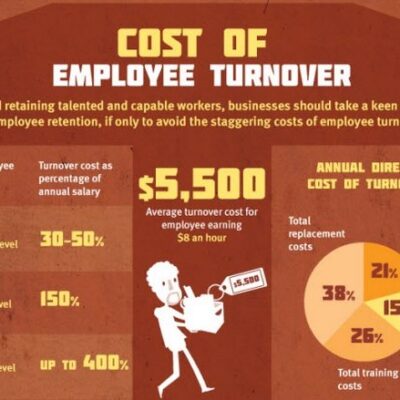
The benefits of participating in CSR related Team Building goes even further within the business itself. Companies with rigorous corporate responsibility standards are also best positioned to attract and retain high quality staff, thereby reducing employee turnover rates and the costs of recruitment. Businesses have also pointed to improvements in their reputations as a result of having been seen doing “good things”. Customers trust them, while staff feel good about their work. This in turn can have a direct influence on the balance sheet. Philanthropic Team Building improves morale and strengthens feelings of camaraderie amongst your employees because they get to know each other on a more personal basis, outside of a work environment. These experiences can help break down barriers by getting them to work together in a way they never have before. With the current state of the economy, companies are finding that simply playing games or having a group outing together flies in the face of the mentality most companies, big or small, are working harder than ever to promote; one of world-wide awareness and sensitivity.
TeamBonding has a Secret Ingredient
Posted by David Goldstein on 10 Oct 2011

Typically when a new client like you comes to our virtual door, they come through this website. The TeamBonding site has been designed to show potential clients in words, photos, videos and testimonials what we do and who we do it for. After going through the website, seeing the 70+ programs we offer from our regional offices, nationwide, clients will call us or fill out an RFP and hear right back from our Client Solutions Managers. We call them that because they are not salespeople, they are trained to listen and suggest solutions to whatever your team building need is. Jeff, Nanci, John and Jayne know that one size doesn’t fit all and they are good at what they do, knowing how to match your team up with the right program that fits.
Once you decide upon a program that meets your needs and delivers your desired outcomes you move into our event management department which is what really sets us apart. Tara, Angela or Stephanie also listen and suggests how to get the best results out of the program you have chosen so that your team gets a well produced event and you get a return on your investment. They work with you, the venue, the charity and our on-site team to deliver exactly what you were promised, a customized, professionally facilitated event that you can be proud of and that your people will look forward to year after year.
All that and you haven’t even had your event but that’s when the rubber meets the road. Our professionally trained facilitators like Paul, Michael, Richard, Rob, Jennifer and Scott take all that information and hit the ground running, delivering a program that is not only customized to your needs but a program that has been proven successful again and again with teams just like yours. Well designed programs are what our clients expect from us and professional facilitation is another benefit that continues to set us apart in a crowded field.
So what’s our secret ingredient? Behind this website is a team of people whose jobs are to make sure that your event is successful – and they do it every time. That’s no secret!
Lead, Follow or Get Out of the Way
Posted by David Goldstein on 23 Aug 2011

As in any business, being innovative is one of the keys to success. It is no different in the team building business. When we first started offering team building I often had an argument with my program designer about new programs and how and if we should do programs that other team building companies were doing. It went something like this:
Program designer: “I only want to offer original programs that nobody else offers. That will be the key to our success, showcasing the power of play through unique, original, innovative games. “
Me: “ I agree, we should offer unique, innovative, and original programs that nobody else offers but clients also want programs that they have seen and heard about and others in their company have done. Once they trust us on things that they know, they will trust us to try programs that they haven’t heard of or done.”
That pretty much was how Teambonding started, a combination of original, innovative, unique team building programs like our Spy School (now School for Spies) and the $1Million Wheel of Jeopardy Feud and the program that ended the last day it was facilitated on 9/11 about diffusing a bomb. We also had scavenger hunts and team building murder mysteries and it happened just like I thought it would, clients tried us first for things that they were familiar with and then tried our unique programs and a team building company was born.
Flash forward to now, Teambonding is still leading the way with innovative new programs like our Smartphone Scaventure, Flash Teams, Cocktail Team Building with Flair and our newest philanthropic programs, Canned Good. Clients continue to respond well and Teambonding continues to lead.
Team Teddy Rescue Bear becomes Bulldog Building
Posted by David Goldstein on 13 Jun 2011
There are some days that I walk into our production department, listen to the things that they have done to support our facilitators and our clients and walk out in awe of their talent, dedication and resourcefulness. This blog is about one of those times.
Our Team Teddy Rescue Bear program is one of my favorites. The first time we did it, the beneficiaries were children with Down’s Syndrome, and when they arrived to receive the bears, everyone in the room cried tears of joy. I remember telling the facilitator that he had the only job in the world that if everyone cried, he succeeded. As in most TeamBonding programs, this program was adapted to donate the bears to firefighters, emergency service personnel and hospitals as a way to give comfort to a child in need. A great program for a great cause.
So we had a version of the Teddy Bear program all set and ready to go for a large college who was a repeat client. This program, as many of our programs are, was customized to the client and instead of the bears, we agreed to use Bulldogs so that the charitable donation could better reflect the college. Not just any bulldog, these stuffed animals had to look like their team mascot. Great idea until our supplier ran out of bulldogs and let us know the day they were to be shipped because of a larger Southern college, you know the one I’m talking about, had ordered all of them and more for their graduation.
Enter production manager Kristin Gately, who called our suppliers’ supplier, searched the internet – virtually pounding the pavement, called found a new supplier and had 125 new, ready to be built bulldogs delivered on time for the event. They were even better than the original one approved by the client! Turns out, miracles happen in production every day, I just don’t’ always see it ;)
Seeing the Light While Dining in the Dark
Posted by David Goldstein on 22 May 2011

Last month, Successful Meetings Magazine came out with an article entitled “Seeing the Light While Dining in the Dark.” It’s a great article that shares the fun, intrigue and success that dark dining has had with diners in restaurants and more recently with companies as a team building/bonding event.
TeamBonding founder David Goldstein introduced Dining in the Dark in October 2010 to an audience of food bloggers in a Boston restaurant called the Hampshire House. You might know it more as Melvilles as it is the restaurant above the Bull & Finch pub, the inspiration for Cheers. It is a beautiful Back Bay mansion that most diners don’t get to see in this unique dining experience.
As the guests arrive they are met at the bar by our dining facilitator, a guide that takes you through your dining experience, blindfolded. In the purest form of this experience, the waiters are blind and the room is dark but in our experience the room is lowly lit and the guests wear pitch black spa-like blindfolds which when worn, block out all light and allow the guest to focus on their other senses including the sense of smell, which is enhanced during the dinner, the sense of sound which is tuned into the music, custom written for this experience, and the sense of touch which comes into play when diners aren’t quite sure what they are eating.
Does it sound like a culinary trust fall? Sometimes it can feel that way but food allergies are accommodated and safety is assured. For team building events, the bonds are built while enjoying a great meal, working together to guess the menu and playing the unique challenges that TeamBonding has come up with to encourage conversation, interaction and fun with your co-workers. Sound like fun? It is. Join us!
Team Building Slam Dunk
Posted by David Goldstein on 17 Mar 2011
Every day, we facilitate team building for the biggest companies in the world. Over 20 years of team building has made us the go to company for these type of events, and although nothing surprises us, some clients really get the whole company excited. Such is the case of our most recent client, the New Jersey Nets. We created a Survey Says Game Show featuring the players and a good time was had by all.

Let’s call these high-profile team building events:
- Limousine Scavenger Hunt for the New England Patriots
- School for Spies for the Yes Network
- Treasure Hunt for the Miami Dolphins
- Survey Says Game Show for ESPN
- Clue Live for the Girls Next Door
- Treasure Hunt for MapQuest (ok maybe that doesn’t fit but it was cool)
- Custom written murder mystery for the Yellow Pages with James Earl Jones in the cast
And the one that got away…
- Proposed event for Tom Werner of the Boston Red Sox (we struck out swinging)
We do hundreds of events a year and have for over 20 years, but every once in a while we get to feel a little extra special. Maybe that celebrity rubs off on us a bit or maybe, doing a job well done is just a little sweeter. Whatever the case, we’re proud to be the team that these companies and your company can call.
A Picture is Worth a Thousand Words
Posted by David Goldstein on 09 Jan 2011
We host our photos on Flickr, and at last count we had 7,024 photos of our team building events. If a picture is truly worth a thousand words well, you do the math, we have a lot to say. We do love our photos as it isn’t just us talking about ourselves and our new programs, the photos shows clients like you the fun, innovative and effective team building we are offering to companies just like yours. It shows you the venue options you have, the variety of choices we have within the 70 or so programs we offer, and the professionalism of our staff in ways that words just can not.
We expect to reach over 10,000 team building photos this year as many of our new and innovative programs will be showcased. Check it out, see the fun and team building we are facilitating and let us know if your team is ready for some Team Bonding.
Check out the TeamBonding Photo Collection
'Tis the Season for Corporate Social Responsibility
Posted by David Goldstein on 03 Oct 2010

In one of my favorite broadway shows, “In The Heights”, there is a scene in which one of the neighbors wins $96,000. The accompanying song centers on the value of $96,000, and what it truly means to the neighborhood. For in this neighborhood, $96,000 means everything.
Now, I’ll admit that not everyone has $96,000 lying around these days to give to their community. However, what we do have are groups of employees that are in need of two things: a morale boost and the chance to give back to their community, all through team building.
Corporate Social Responsibility (CSR), or the corporate practice of returning investment to a community, is a term that has taken on its own life in the past few years. From debates that have pondered ethics, investment versus profits, and more, CSR at its heart is an act of philanthropy and investment that one community member makes in another.
In fact, the concept of CSR has taken on such a life that many companies are choosing to hold philanthropic, community-based team building events for their employees, rather than hold the normal office holiday party and gift exchange.
Why? With months of layoffs, a weak economic outlook and dwindling budgets hovering over many workplaces, employers are challenged to find events that answer two distinct needs: engage and enliven their employees while also demonstrating social responsibility on part of their company.
CSR works best when the cause you contribute to is one shared by many of your employees. For example, building care packages for soldiers may boost the spirits of one group of employees, while it may do little for another group. There are hundreds of potential programs and events to choose from, therefore take care and consider your employee’s wishes when selecting your CSR event.
Another practice to consider is to ensure that the CSR event truly involves your employees, and encourages them to engage and work together, rather than sit on the sidelines. This way, the CSR event is not only successful in contributing toward a cause in your community, but also serves as a team building and morale-boosting event for your employees.
Most important to consider is this: In a holiday season where everyone needs that “$96,000” feeling, what type of an event can you build to help your employees, your company, and your community?
Teambonding Newsletters
- March 2008
- May 2008
- June 2008
- August 2008
- October 2008
- December 2008
- February 2009
- April 2009
- June 2009
Featured Articles
- Managers Top 10 Resolutions for a Better Team
- The Top Trend in Team Building
- TeamBonding has a Secret Ingredient
- Lead, Follow or Get Out of the Way
- Team Teddy Rescue Bear becomes Bulldog Building
- Seeing the Light While Dining in the Dark
- Team Building Slam Dunk
- A Picture is Worth a Thousand Words
- 'Tis the Season for Corporate Social Responsibility
- A Week in the Life of TeamBonding
RSS Feed
Subscribe to the Teambonding RSS Feed by clicking here.