


Gen Z in the Workplace: What They Want and How to Lead Them
If you manage people, you’ve probably heard that Gen Z in the workplace is an employer’s nightmare: entitled, glued to our phones, allergic to hard work. I’m part of this generation, and that label doesn’t match what I see. The real gap is between what leaders assume we want and what we value.
The oldest Gen Z employees are pushing 30 now, settling into careers, and in plenty of cases already stepping into management. Like every generation before us, we bring new expectations to work. Leading us isn’t harder than leading anyone else; it just takes a slightly different approach.
So here’s what this guide covers: who Gen Z workers really are, what motivates us, what we want from an employer, and how to communicate with and lead us without the stereotypes getting in the way. I’ll back it up with fresh 2026 data along the way.
Who are Gen Z workers, and what’s the Gen Z age range?
Gen Z workers are the generation born between 1997 and 2012, which puts the age range at roughly 14 to 29 in 2026. That means the oldest members of Generation Z are hitting their career stride while the youngest are still in high school.
Let’s focus on those of us who are already in the workplace, since that’s the group shaping your teams right now.
Career outlook
Many of us came of age during hard times, and it shows in how we approach work. We grew up around the 2008 recession, watched millennials wrestle with student debt and shaky job security, and started our careers in the shadow of a global pandemic.
That backdrop made us cautious about traditional career paths, because we’ve seen them fall apart overnight. It also made financial stability a priority rather than an afterthought.
The numbers back this up. In Deloitte’s 2026 Gen Z and Millennial Survey, 55% of Gen Zs said they’re delaying major life decisions like marriage, starting a family, or buying a home because of their financial situation.
That same caution shapes how we think about advancement. Only about a quarter of Gen Zs (25%) told Deloitte they want fast-paced careers built on rapid promotions, while most of us prefer steady, sustainable growth.
Reading Gen Z in the workplace as unambitious misses the point. We’re pacing ourselves on purpose.
After the pandemic, we also tend to value community and belonging, and we generally prefer on-site work more than our millennial counterparts do.
Technology experience
We’re digital natives who learned to adapt fast because we had no other option. We grew up with computers, smartphones, and social media, which comes with real pros and cons, but it does set us apart from Gen X and older generations.
There’s overlap with millennials here, since many of them are digital natives, too. Even so, research shows that 70% of Gen Z would leave their current role for one with better technology, because the right tools make it easier to do our jobs well.
That comfort with technology now extends to AI. Deloitte’s 2026 survey found that nearly three-quarters of Gen Zs (74%) use AI to some extent in their day-to-day work, and most of us see it as a way to work smarter rather than a threat.

Managing Gen Z in the workplace means dropping the myths
Managing Gen Z in the workplace starts with letting go of the idea that we’re a nightmare cohort. We’re not unmotivated or impossible to lead; we’re simply driven by different things than the generations before us.
The “lazy Gen Z” label is the one I hear most, and it’s the one that holds managers back the longest. Assuming a whole generation won’t work hard is a fast way to lose talented people who would have thrived with a bit of trust.
In our podcast episode The Age Advantage, generational expert Meghan Grace put it well when she described Gen Z as showing up with a serious, informed mindset shaped by economic pressure, rising education costs, and a determination to avoid the struggles millennials faced.
Meghan also busts a few common Gen Z stereotypes and points to where our strengths sit:
- Strong technical skills and quick adaptability
- Emotional intelligence and comfort talking about it
- A drive to work smarter, not just harder or longer
If you’re leading several generations at once, which is normal in most offices today, it’s worth a listen. Her multigenerational insights are genuinely useful for anyone rethinking how they manage younger employees.
What motivates Gen Z in the workplace?
What motivates Gen Z in the workplace comes down to purpose, growth, and being treated like an adult who can be trusted to do the job. We need to pay our bills like everyone else, but a paycheck alone won’t keep us engaged.
Let’s cut through the noise and get to what drives us, using the most common workplace expectations I see across my peers:
- Purpose over paychecks: Financial stability matters, but we also want to know our work means something. Give us projects that align with our core values and watch us commit.
- Growth opportunities: We’ve seen what happens when companies stop investing in their people. Help us build skills and move up, or we’ll find someone who will.
- Flexibility and autonomy: We trust ourselves to get the job done from home, the office, or a cafe, and we want you to trust us, too. Micromanaging pushes us away.
- Feedback and recognition: We grew up with instant feedback online, so regular check-ins and honest recognition go a long way.
- Corporate social responsibility: We like working with companies that use their influence for good, which is why corporate social responsibility (CSR) and sustainability draw us in. When CSR makes a difference, we notice.
Here’s the part worth remembering: workplaces that offer these things don’t only attract Gen Z employees, they attract strong talent from every generation.
What does Gen Z want in the workplace?
What Gen Z wants in the workplace isn’t complicated once you understand our values: balance, honesty, inclusion, and room to grow. None of these are radical, and most of them make life better for your whole team.
Let’s break down the ones that come up again and again.
Work-life balance
We treat work-life balance as essential rather than a perk. We watched our parents pour themselves into companies that didn’t always return the loyalty, and we want something more sustainable.
This doesn’t mean we won’t work hard. It means we won’t trade our mental health or relationships for a job that could vanish tomorrow.
Transparency
Gen Z gets painted as demanding, but most of us just want honesty. We grew up with the world’s information in our pockets, so we can tell when we’re being sold a polished version of the truth.
Be upfront about challenges, changes, and expectations. A lack of transparency breeds mistrust, high turnover rates, and conflict, while candor earns our respect.
Diversity and inclusion
For us, diversity and inclusion aren’t marketing lines—they’re baseline expectations. We’ve grown up as the most diverse generation in history, and we expect our workplaces to reflect that.
If a company talks about inclusion but doesn’t back it up, we’ll notice, and many of us will look elsewhere.
Career growth
We put a high value on professional development and the chance to advance. We lean less on loyalty to a single employer and more on whether we’re still learning and moving forward.
When companies stop offering a path upward, we’re willing to change jobs to find one. Give us room to grow internally, and you’ll protect your retention.
Is the Gen Z career apocalypse real?
The “Gen Z career apocalypse” is the growing fear that AI, paired with one of the toughest entry-level job markets in years, is knocking out the bottom rung of the career ladder we need to launch our careers. It’s a real anxiety, and it’s worth taking seriously.
The concern isn’t imaginary. Reporting through 2025 and 2026 has flagged AI absorbing the routine entry-level tasks that once gave new grads a foothold. In a PBS NewsHour interview, LinkedIn’s Aneesh Raman described the bottom rung of the career ladder as the first part to break.
The full picture is more hopeful, though. Deloitte’s 2026 survey shows most Gen Zs treat AI as an accelerant rather than a threat, expecting it to free up time, improve their output, and open new paths, including fresh opportunities for entry-level workers.
For managers, the takeaway is practical. Supporting Gen Z in the workplace through the AI transition is less about grand gestures and more about steady reassurance that there’s still a path forward.
If you want to keep your Gen Z employees engaged through this shift, invest in mentorship, offer clear routes to advance, and give us professional development that helps us grow alongside the technology rather than get replaced by it.
Communicating with Gen Z at work
Communicating with Gen Z at work isn’t as different as you might expect, since our basic communication needs mirror everyone else’s. We just lean toward a few preferences that may feel new to older colleagues.
Here’s what tends to land well with Gen Z workers:
- Keep it concise: Social media trained us to process information fast, so skip the fluff and get to the point.
- Use the right channel: Slack or Teams work for quick updates, while we still prefer face-to-face or video for complex conversations over long email chains.
- Be authentic: Drop the corporate speak. We can tell when you’re being genuine, and a straightforward tone beats jargon every time.
- Lean on visuals: We process visual information well, so charts, graphics, and the occasional meme can make your point stick.
The truth about Gen Z work ethics
Gen Z work ethics aren’t weaker than previous generations; they’re just expressed differently. We tend to chase the most effective way to finish a task rather than the most traditional one, and that efficiency sometimes gets mistaken for laziness.
If you want to understand how we think about work, pay attention to #WorkTok. TikTok is popular with Generation Z, and we use it to talk openly about our jobs, the good, bad, and frustrating alike.
People have always vented about work, but social media gives it reach, and that’s created a sense of solidarity around shared struggles:
- Poor work-life balance
- Work that doesn’t feel meaningful
- A lack of autonomy or trust
- Employers who don’t invest in their people
It’s easy to dismiss this as complaining, but I’d argue it’s useful feedback. We’re surfacing real issues that affect workplace productivity, retention, and satisfaction, and the smartest leaders are listening and adjusting instead of writing us off.
A few other stereotypes are worth retiring, too:
- We job-hop too much: We move when we’ve stopped growing or our values no longer align. Loyalty goes both ways.
- We can’t take criticism: We handle feedback fine when it’s respectful and specific. Vague or passive-aggressive comments don’t help anyone.
- We’re always on our phones: We’re comfortable with tech, and we can put it down when the moment calls for it. Set clear expectations instead of assuming the worst.
Leading Gen Z employees across generations
Leading Gen Z employees well means finding common ground across generations rather than favoring one group over another. The goal is to leverage what each generation does best, and Gen Z has plenty to bring to the table.
As Meghan Grace framed it, bridging the gap is about recognizing that today’s 22-year-olds are different from who you were at 22, and then looking for the connection points you share.
Here are strategies that work for leading a multigenerational team:
- Emphasize belonging: Prioritizing diversity, equity, inclusion, and belonging (DEIB) helps Gen Z and everyone else feel valued.
- Create mentorship pairings: Match Gen Z employees with experienced colleagues. We want to learn from your expertise, and you may pick up a few things about new tools from us.
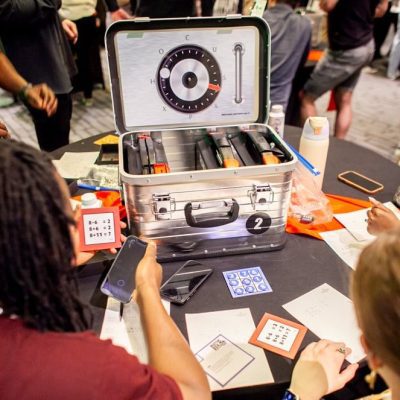
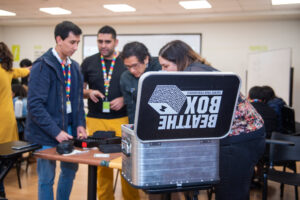
- Offer shared learning experiences: Learning side by side builds bridges. Events like Beat the Box bring teams together and grow understanding through a shared challenge.
- Flex your communication: Some people prefer email, others want face-to-face, and some do best with instant messaging. Accommodate the range when you can.
- Invest in everyone’s growth: Development shouldn’t stop at a certain age. Programs like Leadership Stories help team members at every level keep building.
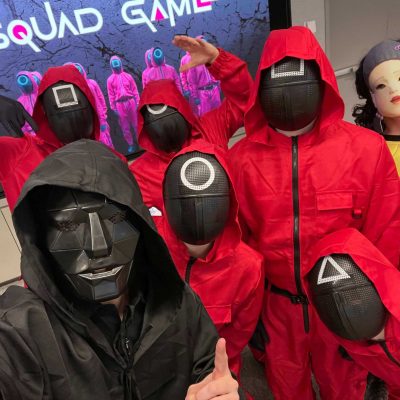
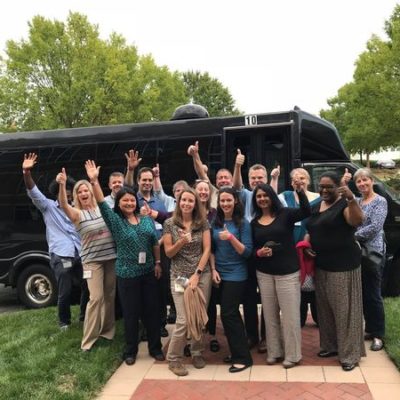
- Reward success: We all want our wins noticed. Celebrate them with experiences like The Mystery Bus or Squad Game to bring people together while showing you value their effort.
The future of work belongs to teams that bridge generational gaps and use everyone’s strengths, not to one generation running the show. When that happens, collaboration gets a lot easier.
Ready to start connecting with your Gen Z workers?
Connecting with your Gen Z workers comes down to understanding and supporting younger people as they build their careers, the same way you do with every other generation. We’re not asking for special treatment.
We’re asking for workplaces that value balance, CSR, meaningful work, flexibility, transparency, diversity, and career growth, all of which benefit everyone on your team.
Bridging the gap between generations can be tougher than it looks, but you don’t have to do it alone. TeamBonding has years of experience closing these gaps, plus plenty of Gen Z team members like me who help keep our programs grounded in what younger employees really respond to.
Getting Gen Z in the workplace right is one of the clearest advantages you can build for the years ahead, since the habits that keep us engaged tend to keep everyone engaged.
Our team building experiences are built to bring people together across generational lines, creating understanding and collaboration that outlasts the event itself.
So start connecting with your Gen Z employees and get your company ready for what’s next. We have 200+ proven events that unite teams across generations, so get in touch with us today, and let’s build something great together.


Get more insights in our newsletter:
* every subscription supports charity!
PODCAST
Get ideas, inspiration and best practices from across the globe.




Plays well with these activities.