

Co-Elevation: Unlocking Team Potential in the Workplace
I’ve spent over 35 years watching teams come together. Some click immediately, others struggle to find their rhythm, but the teams that truly thrive have discovered something powerful: the practice of co-elevation.
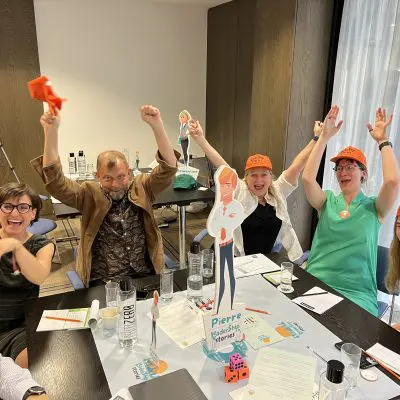
Co-elevation isn’t just another management buzzword. It’s a fundamental shift in how we approach teamwork, one that prioritizes teamship and shared success over individual achievement. In my experience curating thousands of team building events, I’ve seen firsthand how this mindset transforms not just productivity, but genuine employee satisfaction.
What is co-elevation, really?
At its core, co-elevation is about going higher together. It’s the commitment a team makes to their mission and to each other, rooted in the belief that everyone wins when we push each other to grow.
Too many teams operate in what I call “polite coexistence.” People do their jobs, stay in their lanes, and avoid stepping on toes. It’s cordial, it’s safe, and it’s leaving massive potential on the table.
Co-elevation flips that script. It asks team members to embrace their interdependencies, seek wisdom from peers, and forge co-creative relationships built on candid feedback and mutual accountability. The resulting outcomes almost always exceed what could have been accomplished through regular channels within the org chart.
I’ve watched this play out countless times during our programs. When people shift from coexistence to co-elevation, something magical happens: they stop waiting for permission and start leading without authority.
Leading without authority: The secret sauce
Here’s something I learned early in my career: titles don’t make leadership, influence does.
When I started TeamBonding back in 1988, I didn’t have a massive team or a fancy org chart. What I had was a belief in the power of play and a willingness to collaborate with anyone who shared that vision. I built partnerships, listened to feedback, and created experiences that brought people together.
That’s leading without authority in action, and it’s exactly what co-elevation demands from every team member, regardless of their position. In traditional hierarchies, people wait for their manager to give them the green light. But in a co-elevated team, leadership is fluid and moves to whoever has the expertise, insight, or energy to drive the mission forward in that moment.
This doesn’t mean chaos. It means trust and recognizing that the best ideas don’t always come from the top, and that shared goals matter more than individual territory.

Five ways co-elevation transforms teams
Let me break down how co-elevation actually works in practice. These aren’t theoretical concepts but behaviors I’ve observed in high-performing teams and principles we build into our interactive team building experiences.
1. Focus on interdependency
Most teams have a leader, and that’s fine. But in co-elevation, the real power comes from interdependency, not top-down authority.
Each person becomes responsible for their area of expertise, skill, and productivity, but instead of working in isolation, they work in sync. When one person’s work feeds directly into another’s and everyone understands how their piece fits into the bigger picture, teams move faster and smarter.
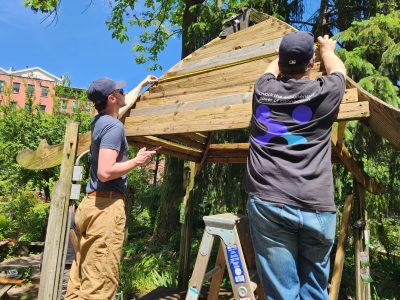
I see this every time we run our charity team building programs. Participants quickly realize they can’t succeed alone and need each other’s strengths, perspectives, and energy to complete the mission. That shift toward interdependency creates something beautiful.
2. Share critical information
Here’s a tough truth: most people avoid conflict and hold back negative feedback because they don’t want to rock the boat.
Co-elevation demands something different. It requires teams to address the elephants in the room and share information that might be uncomfortable but is critical to success. This isn’t about being harsh or critical for criticism’s sake—but recognizing that withholding information, whether positive or negative, hurts the team.
During our problem solving activities, we build in moments that force this kind of honest communication. Teams that embrace it always perform better, making faster adjustments and avoiding repeating mistakes.
3. Increase collaboration beyond the usual
Collaboration is great, but co-elevation asks us to think bigger. It’s about creating what some experts call a “collaboration stack,” a series of different modes of working together that include diverse thinking and a broader network of insight.
When we design custom team building events, we’re always thinking about how to maximize meaningful collaboration. How do we get the quiet voices heard? How do we break down silos? How do we create space for unexpected partnerships? The answer is almost always through shared experiences that level the playing field and create new contexts for connection.
4. Increase awareness of impact
One of the biggest barriers to co-elevation is tunnel vision. When people operate in silos, they’re often unaware of their peers’ challenges and needs.
Co-elevation requires us to think beyond ourselves, to consider how our work affects others on the team and beyond, and to anticipate obstacles we might inadvertently create for colleagues. It’s not about being selfless to the point of martyrdom but about expanding your field of vision to include the whole team’s success.
5. Act your way into new thinking
Here’s one of my favorite principles: we don’t think our way into new ways of acting, we act our way into new ways of thinking.
You can’t sit in a conference room and lecture people into co-elevation. You have to create experiences where they practice it, where they take small steps toward vulnerability, collaboration, and mutual accountability, and where they see the results firsthand.
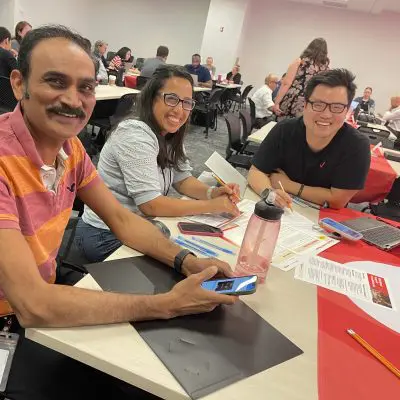
That’s why shared experiences in learning matter so much. When teams participate in our icebreaker activities or tackle a creative challenge together, they’re not just having fun but practicing the behaviors that lead to co-elevation. They’re learning to trust each other, communicate more openly, and celebrate wins together while supporting each other through setbacks.
The co-elevation effect on satisfaction and productivity
So what happens when teams embrace co-elevation? The results speak for themselves.
Research shows that teams practicing co-elevation see a 79% increase in candor, a 46% increase in collaboration, and a 44% increase in accountability. Those aren’t small numbers but fundamental shifts in how people work together.
Beyond the metrics, I’ve witnessed something more profound: people actually enjoy their work more. They feel more connected to their teammates and experience the satisfaction that comes from achieving something genuinely meaningful together.
That’s the magic of mutual success. When you’re invested in each other’s growth and committed to shared goals, work stops feeling like a grind and starts feeling like purpose.
Ready to elevate your team?
Co-elevation isn’t a program you can roll out with a memo. It’s a practice, a commitment, and a daily choice to elevate each other rather than compete or simply coexist.
But when teams make that choice and embrace the challenge of going higher together, the transformation is real. They become more innovative, more resilient, more connected, and yes, more productive and satisfied.
At TeamBonding, we’ve spent over 35 years helping teams discover what’s possible when they commit to mutual success. Our expert facilitators create experiences that don’t just entertain but transform how people work together, backed by 200+ customizable programs designed to create the conditions where co-elevation can flourish.
Want to bring co-elevation to your team? Let’s talk. Contact us today to explore how our programs can help your team go higher together.


Get more insights in our newsletter:
* every subscription supports charity!
PODCAST
Get ideas, inspiration and best practices from across the globe.




Plays well with these activities.