


Corporate Events Industry 101: A Beginner’s Guide for 2026
So you’ve been told to plan a corporate event. Maybe it’s a sales kickoff, a leadership offsite, a holiday celebration, or your company’s first all-hands since the team went hybrid. Suddenly you’re asking yourself big questions: What’s the right venue? What’s a realistic budget? What does anyone even know about the corporate events industry, and where do you start?
I get it. After more than 35 years of building TeamBonding from a basement operation into a company that’s worked with 80% of the Fortune 100, I can tell you the meetings and events industry can feel intimidating from the outside. There’s a lot of jargon, a lot of opinions, and a lot of moving parts. Once you understand the basics, though, planning a great event becomes a whole lot less scary, and a whole lot more fun.
This is your beginner’s guide. We’ll cover what the corporate events industry actually is, the 2026 stats and meeting trends every team leader should know, practical tips for planning your first (or fiftieth) corporate event, and what’s coming up for Global Meetings Industry Day 2026.
What is the corporate events industry?
The corporate events industry is the ecosystem of professionals, venues, and vendors that plan and produce business gatherings of all shapes and sizes. That includes conferences, trade shows, product launches, sales kickoffs, leadership off-sites, executive retreats, training sessions, internal team meetings, holiday parties, and yes, team building events.
You’ll hear it called by a few different names. The meetings industry, the meetings and events industry, the event industry, MICE (meetings, incentives, conferences, and exhibitions). They’re roughly the same animal, just sliced a few different ways.
Whatever you call it, this industry is enormous. It supports planners, venues, hotels, caterers, AV providers, transportation companies, facilitators, and entire networks of suppliers whose job is to make sure your event runs smoothly. When done well, these gatherings shape corporate culture, accelerate growth, and bring people together in ways a Slack channel never could.
The corporate events industry by the numbers
Let’s start with some 2026 stats that show why this sector is having a moment:
- In 2024, meetings and events generated more than $126 billion in travel-related spending in the U.S. and directly supported nearly 620,000 American jobs, according to the U.S. Travel Association.
- 85% of meeting professionals say they’re optimistic about 2026, the highest reading in five years, according to the Amex GBT 2026 Global Meetings and Events Forecast.
- Roughly half of meeting professionals are now using AI somewhere in their event planning and execution.
- The number of internal team meetings, sales kickoffs, and product launches keeps climbing year over year.
Translation? After a few wobbly years, the meetings industry is back, growing, and innovating fast.
What are the biggest meeting trends for 2026?
The biggest meeting trends in 2026 all point to one thing: putting attendees first. Here’s what the data and three and a half decades of doing this work tell me to watch.
- In-person is back, with intention: Hybrid is still in the toolkit, but in-person formats are once again the norm. People want to be in the room.
- Experiences over agendas: Improving the attendee experience is the top priority for meeting professionals heading into 2026, and 42% of attendees say they want more interactive sessions, like workshops and demos. Death by PowerPoint is finally on its way out.
- AI as a planning partner: From content generation and theme creation to attendee matchmaking and budget optimization, AI is showing up across the meetings and events industry.
- Sustainability and inclusion baked in: These aren’t add-ons anymore. They’re baseline expectations for the audiences you’re trying to reach.
- Rising costs: It’s not all rosy. More than 70% of pros expect costs to climb in 2026, so creativity and clear ROI matter more than ever.
If there’s one thread running through all of this, it’s that meetings have to mean something. The bar is higher than it used to be, and that’s a good thing.
How do you plan a successful corporate event?
Planning a successful corporate event comes down to a handful of fundamentals. I’ve watched every version of brilliant and disastrous over the years, and the events that actually work tend to follow this pattern:
- Start with the goal, not the activity: Are you onboarding new hires? Launching a product? Rewarding top sellers? Reconnecting two merging departments? The goal drives every other decision.
- Know your audience: A leadership offsite for the C-suite is not the same animal as a holiday party for 800 employees. Plan for the people who are actually showing up.
- Pick the right venue: Where you host shapes the energy of the entire event. Our guide to the best conference venues and destinations is a good starting point if you’re scouting locations.
- Build in real connection: Adding team building to the agenda is the difference between attendees clocking in and attendees leaning in. More on that in a second.
- Measure what matters: Survey attendees, track engagement, and tie outcomes back to the original goal. If you can’t show what worked, you can’t repeat it.
For a deeper walk-through with specific event types and ideas, our ultimate guide to the best corporate events covers a lot of ground.
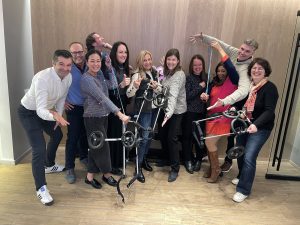
Where does team building fit in?
Team building is the secret weapon of corporate events. It’s the thing that turns a forgettable agenda into a story people retell at the office for months.
I’m biased, sure, but the research backs it up. According to Gallup, engaged teams show 23% higher profitability and significantly lower turnover. Building shared experiences and a sense of belonging drives all of it.
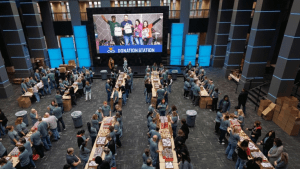
One of my favorite flavors is charitable team building, especially when it’s woven into a larger conference, kickoff, or offsite. Shannon DuPont, our Director of Program Development, said it best in a recent webinar on charitable events and engagement:
“By breaking down silos through a shared cause, you’re opening the door to innovation and stronger internal networks.”
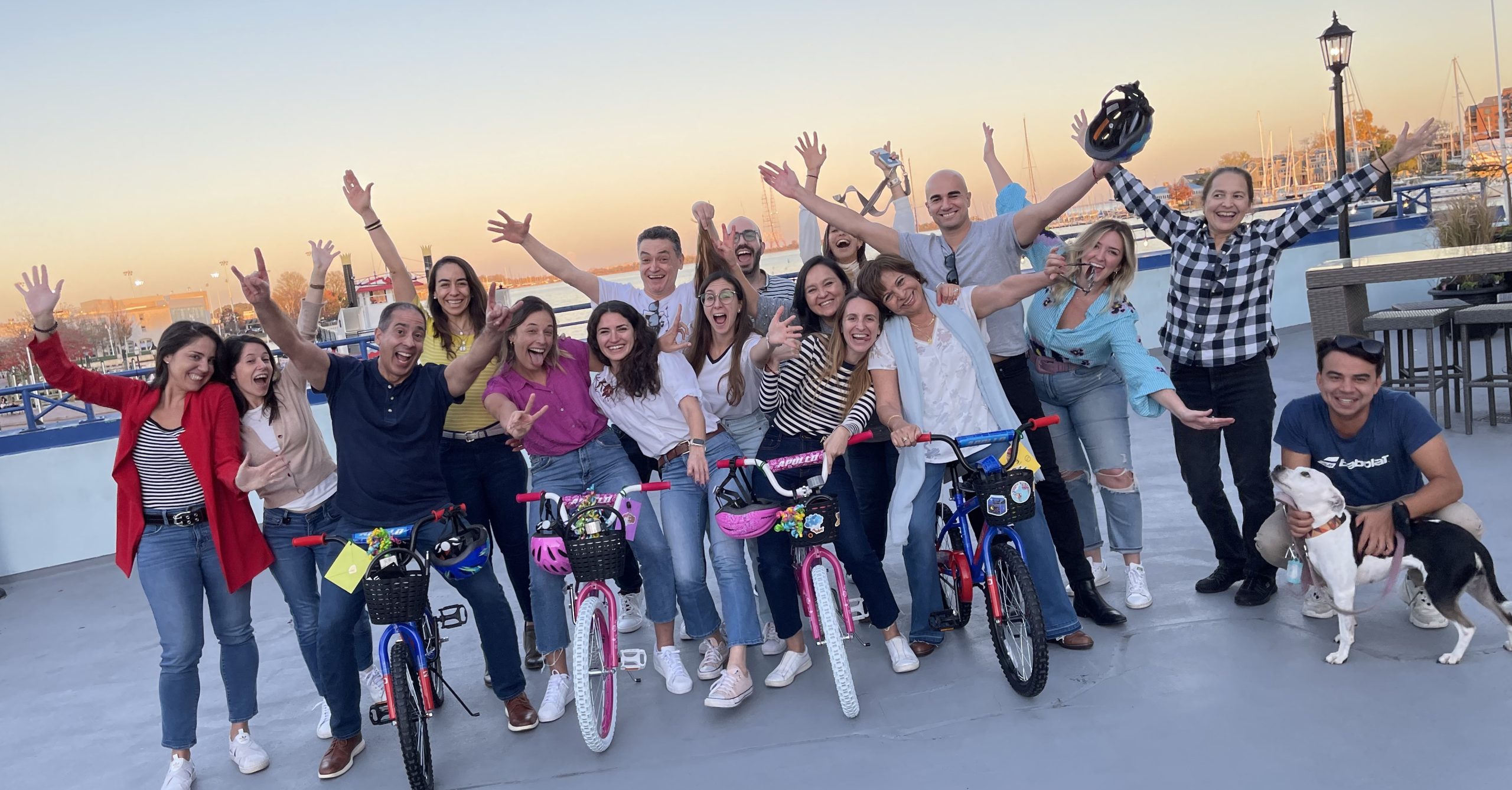
That’s exactly what the best corporate events do. They give people a reason to connect that goes beyond the meeting agenda. Whether that’s a charitable build, a culinary challenge, or a high-tech scavenger hunt, the magic is in the shared experience.
What Is Global Meetings Industry Day 2026?
Global Meetings Industry Day 2026 is a worldwide day of advocacy that celebrates the impact of meetings, conferences, conventions, trade shows, and events. GMID 2026 is set for May 6, 2026, and this year it’s led by the Events Industry Council (EIC).
The 2026 GMID theme is “Business Events and Exhibitions: The Human Catalyst for Global Growth.” The day brings event professionals, organizations, destinations, and partners together to demonstrate how face-to-face gatherings drive innovation, jobs, and connection across borders.
Global Meetings Industry Day topics for 2026
Some of the Global Meetings Industry Day topics you’ll see featured across panels, broadcasts, and local activations on GMID 2026:
- The economic impact of business events. EIC is releasing its 2026 Global Economic Significance of Business Events Study to coincide with the day.
- Advocacy for the meetings and events industry with policymakers
- The role of in-person events in a screen-saturated world
- AI and technology shaping the future of the event industry
- Sustainability, inclusion, and workforce development across the meetings industry
Even if you’ve never participated in GMID before, this is a great year to start. Hosting a small internal session, attending a local activation, or sharing why meetings matter on social media all count.
Helpful resources for the meetings and events industry
A few places I keep bookmarked for staying current on the corporate events industry:
- Events Industry Council (EIC), the global federation behind GMID and the Certified Meeting Professional (CMP) credential
- Meeting Professionals International (MPI), with chapters worldwide and an annual GMID broadcast
- PCMA (Professional Convention Management Association), especially their Convening Leaders conference
- U.S. Travel Association, for industry advocacy and economic impact data
- Amex GBT Global Meetings and Events Forecast, the annual snapshot of where the industry is heading
And on our end, our insights and resources hub is packed with planning guides, program ideas, and stories from inside the corporate events industry.
Bringing it all together
The corporate events industry can feel like a maze when you’re starting out. It’s also one of the most rewarding parts of work. Every event is a chance to bring people together, break down silos, and spark a moment of real connection in a world that doesn’t have nearly enough of those.
Whether you’re planning your first all-hands or your fiftieth client conference, the playbook stays the same. Know your goals, plan for your people, give them something to remember, and then go do it again, but better.
If you want help making your next corporate event one your team won’t stop talking about, get in touch. That’s been our specialty for over 35 years.


Get more insights in our newsletter:
* every subscription supports charity!
PODCAST
Get ideas, inspiration and best practices from across the globe.




Plays well with these activities.