

How Building Team Camaraderie Boosts Performance and Happiness at Work
You can hire the most talented people in the world, but if they don’t know each other, trust each other, or genuinely enjoy working together, you’re going to hit a ceiling. Team camaraderie is the thing that separates a group of coworkers from a group that performs. And if you’re a manager or HR leader wondering how to close that gap, you’re not alone.
In my years playing college and professional football, coaching athletes, and now facilitating team building events, I’ve seen firsthand what happens when a team clicks and what happens when they don’t. The difference almost always comes down to camaraderie.
In this article, I want to break down why workplace camaraderie matters so much, what it looks like when it’s working, and how you can start building team camaraderie in your own organization, starting today.
What is team camaraderie, and why does it matter?
Team camaraderie is the sense of trust, mutual respect, and genuine connection that develops when people spend time together in meaningful ways. It goes beyond just getting along. It’s about knowing your teammates’ strengths, having their backs, and feeling like you belong to something bigger than your job title.
And the numbers back this up. According to Gallup’s research, only about 21% of employees worldwide are engaged at work. That’s a staggering amount of untapped potential. And one of Gallup’s most telling engagement questions is simply, “Do you have a best friend at work?” Companies that move the needle on workplace friendships can see up to 10% higher profits and a 28% reduction in safety incidents.
Those aren’t soft, feel-good numbers. That’s bottom-line impact. When camaraderie in the workplace is strong, people communicate better, collaborate faster, and stick around longer. When it’s missing, you get silos, turnover, and a whole lot of disengagement.
What sports teams can teach us about work camaraderie
Here’s where my background comes in. In football, you can have the most athletic roster in the league, but if your offensive line doesn’t trust the quarterback, or if the defense isn’t communicating, you’re going to lose games. Talent alone doesn’t win championships. Chemistry does.
I played D1 collegiate football and then moved into arena football, and I can tell you that the best teams I was ever on weren’t necessarily the most talented. They were the teams where guys knew each other’s families, understood each other’s motivations, and held each other accountable because they genuinely cared. That’s camaraderie.
The same principle applies to every office, remote team, and hybrid workplace. When people feel connected, they perform better. They’re more willing to step up when someone’s struggling. They give honest feedback because they respect each other enough to be direct. If you’re interested in bringing that competitive team energy into your organization, check out these sports team bonding activities for the office that draw on the same principles.
How can I improve team spirit and camaraderie at work?
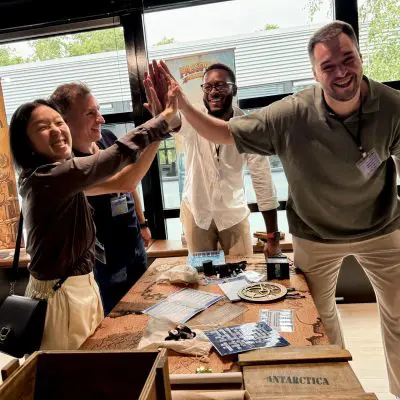
This is the question I get asked the most, and the answer is simpler than you think: give people shared experiences outside of their daily tasks. Camaraderie doesn’t grow in status meetings or Slack threads. It grows when people laugh together, solve problems together, and accomplish something meaningful as a group.
Here are some of the most effective ways to build office camaraderie:
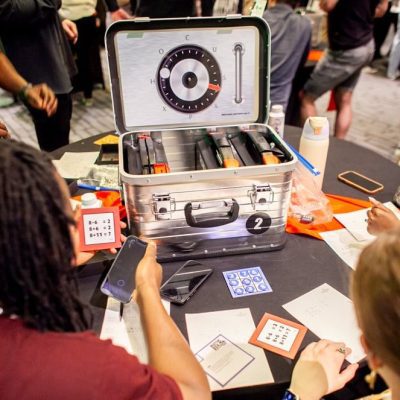
- Invest in team building experiences. Structured activities create a level playing field, where titles disappear and collaboration takes over. Programs like Beat the Box, where teams race against the clock to crack codes and solve mysteries, are perfect for this. The twist? You can’t win alone. Every team has to work together across groups to beat the final challenge, which reinforces the idea that real success is shared.
- Introduce friendly competition. A little bit of competitive energy goes a long way. It brings people out of their shells and gets them invested. The key is keeping it fun and inclusive, not cutthroat. Friendly competition in the workplace can drive motivation without creating toxic dynamics.
- Create space for vulnerability. This one might surprise you, but it’s critical. When people feel safe enough to admit mistakes, ask for help, or share ideas that aren’t fully baked, that’s when real innovation happens. Psychological safety at work is the foundation on which camaraderie is built.
- Prioritize trust-building. Trust is the backbone of every strong team I’ve ever been on. Without it, you’re just a group of individuals sharing office space. For a deeper dive into creating that foundation, take a look at this guide on building trust in the workplace.
- Keep morale high consistently. Camaraderie isn’t a one-and-done initiative. It needs ongoing attention, just like your physical fitness. Small, consistent efforts add up. Try some employee morale boosters to help keep the momentum going.

Why does belonging matter for camaraderie at work?
In sports, the locker room is where bonds are forged. It’s where you celebrate wins, process losses, and build the kind of trust that translates to performance on the field. The workplace equivalent of that is a culture of belonging.
As we discussed on the TeamBonding podcast about coaching and mentoring in the workplace, “You know, sometimes we feel out of place. And being on a team can provide that safety net of community and identity.” That quote hits close to home for me. Whether it’s a football huddle or a conference room, people need to feel like they’re part of something. When they do, they show up differently.
Building that sense of camaraderie means making sure every single person on your team feels seen, valued, and included. That includes the quiet ones, the new hires, and the remote employees who might feel disconnected. It means being intentional about creating moments of connection, not just hoping they happen organically.
What does strong camaraderie look like in action?
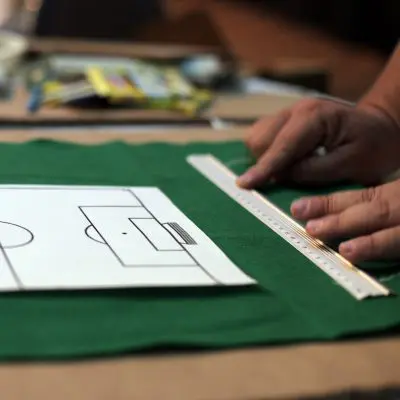
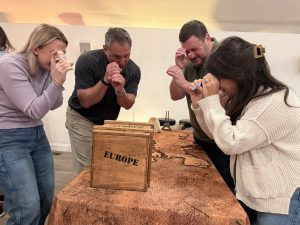
Let me paint a picture for you. In a Passport to Adventure event, teams are divided up and sent racing across “continents,” solving immersive, escape-room-style puzzles and collecting relics at each stop. That alone gets people energized. But the real magic happens in the final phase, when the experience shifts into an open marketplace. Groups that were just competing now have to negotiate, form alliances, and trade strategically to build the most valuable collection.
That shift from competition to collaboration is where camaraderie comes alive. People who might not interact much during a normal workday are suddenly strategizing, laughing, and problem-solving together. And those connections don’t disappear when the event ends. They carry back into Monday morning meetings and cross-functional projects.
Here are some signs that camaraderie is thriving in your organization:
- People voluntarily collaborate across departments, not just when they’re told to.
- Conversations go beyond work topics, and coworkers genuinely know each other.
- Feedback is given openly and received without defensiveness.
- Team members celebrate each other’s wins, both personal and professional.
- New hires get welcomed and integrated quickly, rather than left to figure things out alone.
The coach’s playbook: five steps to stronger workplace camaraderie
Think of this as your game plan. In football, we didn’t just show up on Sunday and hope for the best. We prepared, we practiced, and we reviewed film. Building real camaraderie takes the same kind of intentional effort.
- Assess where you are. Start by honestly evaluating the state of your team’s relationships. Are people connected, or are they just coexisting? Anonymous surveys and one-on-one check-ins can reveal a lot.
- Schedule shared experiences. Put team building on the calendar like you would any other business priority. Whether it’s a monthly lunch, a quarterly team event, or an annual corporate retreat, make it a non-negotiable.
- Lead by example. As a leader, your behavior sets the tone. Be approachable, be authentic, and show your team that connection matters to you. On every team I played on, the captains who led with vulnerability and openness built the strongest locker rooms.
- Invest in coaching and mentoring. Pair experienced team members with newer ones. Mentorship builds relationships that strengthen the entire group. It’s one of the most underrated tools for building lasting camaraderie.
- Celebrate together. Don’t let wins go unnoticed. Whether it’s landing a big client, finishing a tough project, or someone’s work anniversary, take the time to acknowledge it as a team.
The bottom line on building team camaraderie
Every great team I’ve been part of, on the field and off it, had one thing in common: the people genuinely cared about each other. They weren’t just showing up to collect a paycheck or hit a stat line. They were invested in each other’s success. That’s what team camaraderie creates, and it’s the single most powerful competitive advantage any organization can develop.
If you’re looking for ways to kickstart or strengthen camaraderie in your workplace, TeamBonding has been doing this for over 35 years, with hundreds of programs designed to bring people together. From high-energy competitions to meaningful collaborative experiences, there’s something for every team.
The game clock is ticking. Let’s build something great together.

Get more insights in our newsletter:
* every subscription supports charity!
PODCAST
Get ideas, inspiration and best practices from across the globe.




Plays well with these activities.