


STRONG TEAMS DON’T HAPPEN BY CHANCE 
The Speed of Trust
w/ Debbie Simmons

Use the buttons above to listen now.
Transcript - The Speed of Trust
Rich Rininsland: On this episode of Team Building Saves the World
Debbie Simmons: No blame, no shame. It’s just facts. Let’s fix it. Let’s move on. And this is what we do all the time, and we get better.
When I can breathe again, I can dream again, and I can do the things that only I can do. When we can trust the structure, we can move because we know how to move.
With this much dung, there’s gotta be a pony in here somewhere. And so that’s the thing for you and I is can we find the pony?
Rich Rininsland: Hello, team. It’s me, your old friend Rich Rininsland, host of Team Building Saves the World. And, throughout the many years of this podcast, we’ve discussed trust: trust in your coworkers, trust in your management team, even trust in yourself.
But on today’s episode, we’re gonna talk about the trust you should have in the basic systems of your corporation with the creator of the Architecture of Trust, Debbie Simmons.
But first, I have to share some love with all of my supporters at TeamBonding. If your team is ready to experience teamwork through the power of play, visit teambonding.com to learn more.
Now, team, let’s learn more about how structure determines the speed of trust with the CEO of Anchor Point, Debbie Simmons.
Debbie Simmons, thank you so much for coming on the show. We appreciate you being here today.
Debbie Simmons: I am glad to be here. It’ll be a lot of fun hanging with you guys.
Rich Rininsland: Thank you. Thank you.
Normally, when I do the show, I’ll ask for my team out there who’s listening who have not met you yet just to tell us a little bit about your background, where you came from, but I’ve been looking through your bio, and that’s a 40-minute episode easy just on its own. So let me do a quick recap if I can for everybody out there.
Debbie Simmons, you were a mechanical engineer, then you graduated from the seminary.
You founded a mission-driven organization dedicated to helping families thrive through counseling, education, and community called Anchor Point.
Debbie Simmons: Yep.
Rich Rininsland: And above and beyond all that, you’re the mother of nine adopted children.
Debbie Simmons: Yes.
Rich Rininsland: So how many hours in the day are there for you and you alone, Deb? Because…
Debbie Simmons: I think the better question is how many hours of sleep are there?
Rich Rininsland: I’m assuming none. I’m assuming there have never been. And now you have grandchildren.
Debbie Simmons: Yeah.
Rich Rininsland: Oh.
Debbie Simmons: I have 15 grandchildren, so there you go.
Rich Rininsland: Oh my God.
Debbie Simmons: Yeah.
Rich Rininsland: That just means your nine children are lazy. I was thinking exponential grandchildren. But okay.
Debbie Simmons: The funny thing is my first granddaughter I got through a marriage, and she was a little older, and she said, “Lolli, what if every child has nine children?”
Rich Rininsland: Yeah.
Debbie Simmons: And she said, “That’s 81 grandkids.” Yeah. And I said if we’re doing that, we’re going for 100.”
We ought to at least have 100.
And she was like, “That’s a lot”.
Rich Rininsland: If anybody can do it, I have a feeling you can. Because above and beyond all of that, putting believe it or not, having to put all that aside … you also created something called the Architecture of Trust because you’re also a leadership guru, from what I have seen. So let’s start off here. Define, if you can, for my team out there, what is the Architecture of Trust? And I wanna go at it from a different direction than I normally do. Instead of what made you decide this was the way to go, what did you see in the world that made you realize this was a necessity?
Debbie Simmons: Oh, that’s a great question and I love that because- … here is why I developed this, okay? The Architecture of Trust is this idea that in, within our organizations, the we have to be able to trust the structure. Okay? A lot of times we trust that the CEO can fill the gaps and hold everything together.
Rich Rininsland: Yeah, that’s huge trust right there.
Debbie Simmons: And then we default to trusting the CEO and the- CEO can never figure out how to get unstuck, right? And so here I am as the CEO- … and these are the thoughts that I have, okay? This is my life, okay? Anchor Point is my laboratory a lot of times, okay?
And here’s what goes on in my head. I go, “Why is this so hard? Why all these decisions keep coming back to me? I’ve hired good people and yet… it’s all sitting back here” And I’m like, I’m getting my emotional capacity, my brain can’t handle anymore. I’m trying to track a billion things and I’m going, “I hired good people.” And as the complexity has gone up. I can’t figure my way anymore and I wanna take it to the next level. So these are the things that roll around in my head. This is why Architecture of Trust kinda came to be is because it’s “how do I get out of that?” I wanna retire one day, right? I, I do.
But my organization when I first started working on this, couldn’t survive that. It couldn’t survive the founder and the leader being gone. I ask CEOs and stuff like this, I’m like, “Hey, look, I’m just curious, can you go on vacation for a month and your organization run exactly as you’d if you were here?”
Rich Rininsland: Yeah.
Debbie Simmons: And all of us get heart palpitations. And we’re all like, “Oh, gosh, no.” And you know what? It’s a structure problem.
And for me it’s the light bulb going off telling me, “Oh, I can figure this out now. I can figure this out.” And the cool amazing thing is, when we get this right then our organization can begin to move and move more exponentially faster.
But it also, the really strange part is the CEO’s office becomes quiet. And it’s unnerving, okay? ‘Cause I’m like, “I need to go get back in all that business.”
Rich Rininsland: Yeah. I was gonna say, how do CEOs even like that?
Debbie Simmons: Yeah. It requires some growth on my part, right? After I get over the shock of it, I can breathe again.
And when I can breathe again, I can dream again, and I can do the things that only I can do to take us to the next level. And we know what’s got us here is not gonna get us there. And so that is the Architecture of Trust, is that basically there’s something wrong in our structure.
It’s not our people. And what I find fascinating is that most leadership kind of concepts that are out there work on a lot on the people or the issue that’s showing up, but not the underlying structure. So this, in my estimate, is a wonderful thing to lay underneath as the foundation for all of those things to work even better.
Rich Rininsland: Okay. Okay.
Debbie Simmons: So, that’s what I get to do.
Rich Rininsland: So what does the structure look like to you?
Debbie Simmons: Sure. We boil it down. When I have a… on our website, I actually have a diagnostic. It’s just three categories that we really look at, leadership alignment, decision clarity, and execution reliability.
Rich Rininsland: Okay.
Debbie Simmons: And usually it’s breaking down in one or multiple things of those places.
And I tell people, “This is a lifelong journey. You’re gonna constantly be fighting to hold your structure so that it can be trusted.” All right? And so if not, it’s gonna naturally decay, ’cause it just does. And for us, we look at things like, okay, is it falling in the leadership alignment? Is it falling in decision clarity?
Is it falling in execution reliability? Let’s pick the weakest link.
Rich Rininsland: Okay.
Debbie Simmons: Find one small thing we can take to the next level, create the structure for, and then you know what? Pressure’s gonna come, as it always does. And pressure’s gonna reveal whether it holds. Does it end up back on my desk, or did the structure actually work the way it was supposed to?
And we’re gonna tweak it. No blame, no shame. It’s just facts. Let’s fix it. Let’s move on. And this is what we do all the time, and we get better. And the better we get, the less it is totally dependent on the CEO.
And you can multiply things. You can make bigger impact. We can do great things. And for me, it was like, “I think I hire good people. I know I hired good people.” “Why am I doing this?” And so it was this light bulb that went off to go, “Oh, I can fix this.” “I can do this. I can figure out how to make this better now.” And it causes me to ask different questions versus asking “what did that person do wrong?”
What really allowed that person to make that decision?
Do you know what I’m saying? What was it earlier in the structure that allowed it to happen? That’s a more productive question.
If I eliminate the structure issues, I probably don’t have a lot of people issues.
Rich Rininsland: But how does trust work into this? What is it about trust in particular that makes this structure function?
Debbie Simmons: Sure. So the concept of trust, you and I think more is interpersonal trust. Okay? I am saying, “Hey, look at your structure. Can you trust it? Do you know how decisions are made? Do you know how to execute? Are you really aligned?” You come out of a meeting, the … One of the biggest taxes that a CEO pays is, I think, I come up with great objectives together.
We’re, as a team, we’re walking out, I believe we’re on the same page. And then I get two weeks in and I’m like, “What happened? Where is the…- where did it go? Where is the velocity of what I should have seen?”
And then, like, where’s the verification feedback that it happened?
And then I have to go digging. So that hasn’t saved me any time. And my team hasn’t moved. So now I’ve wasted time, my team’s wasted time. Now I gotta call another meeting, or I gotta go seek clarity, and look at all the money I’ve just wasted. It’s expensive, right? And we do that over and over again.
So the trust is that the structure works. It is similar to the fact that you trust the chair you just sat in. That the structure is going to hold you, right? And this is a confidence that we want in our organizations for organizations to be able to move. You don’t think twice about sitting in that chair.
Rich Rininsland: Yeah. You have actually been quoted as saying that “structure determines the speed of trust.”
Debbie Simmons: Yeah.
Rich Rininsland: What does that mean? How do you equate that to normal business?
Debbie Simmons: Okay. So for me… think about it. I just told you, I made an executive decision. We’re doing this. We’re ready to … and we made it as a team, so it’s not like anybody was against it. Okay? So we made it as a team, we knew what we wanted to accomplish, and we set out, we walked out of that meeting, we were all in alignment.
Rich Rininsland: Okay.
Debbie Simmons: Okay? And I’ll give you a great example. One of them was: I needed a space analysis done of a building.
Rich Rininsland: Okay.
Debbie Simmons: And in my mind we were … I’m an engineer, first of all. Think of how I think. And I wanna know how much square footage it is, how much is used for counseling, how much is free, how much staff capacity do I have? Do I need to hire? Do I not need to hire? Could I double my throughput?
These are my thoughts, right? Okay. That staff person Went, looked at the building and said, in conjunction with some others, and said, “Hey, I think this is how we oughta do it.”
Rich Rininsland: Okay.
Debbie Simmons: Made some decisions, executed, rented a storage unit, did all this. I don’t know any of that’s happened. I get a call from some of my board members and they’re like, “What in the heck is going on?”
And I’m, like, clueless, right? I’m like, “I don’t know.” So I’m listening to them, and I call the staff person and I said, “What happened? What are you doing?” And so what happened? There was not… ’cause she’s not a bad person.
Rich Rininsland: Sure.
Debbie Simmons: But there was not clarity as to what was expected.
I expected a report to come back.
And we would make a decision together and we would move. She didn’t understand that I even wanted a report. In her mind, a space analysis is just looking around.
Rich Rininsland: Yeah.
Debbie Simmons: And they decide. Okay, now think about all the hours she worked, think about all the head space that it took up for me, okay, plus the other team members she got involved, plus the rental, plus this.
Now think of the call from the outsiders affected, because we didn’t think through that. And now think about the cleanup that’s now going on, right? Okay. I’m guessing the whole implementation process she did was maybe 10 hours, and we’re now 60 hours into cleanup and clarification, and I still never got an analysis.
Rich Rininsland: Wow.
Debbie Simmons: Okay? So now you take our salaries, and this happens in organizations all the time. And the reason is because there was a structural problem, right? Okay. And so it slowed down the decision-making process. She felt terrible because she thought she was doing the right thing. And literally I’ve wasted thousands of dollars over one little thing that should’ve been a report. And emotional drama and all this stuff. And so do you think the next time we go for her to do something, do you think she might hesitate?
Rich Rininsland: Yeah or she’s gonna overemphasize in areas that are gonna waste her time.
Debbie Simmons: And so she’s not gonna move.
Rich Rininsland: Yeah.
Debbie Simmons: And so it’s all because we can’t trust the structure.
So when we can trust the structure, we can move because we know how to move. So is there things I should change in how I do that? As CEO, I take full responsibility.
If my structure doesn’t work, it’s my job to make sure that we set it, and it’s my job to protect and cheerlead that this is going to be how we’re going to move. And I wanna hold that high, and so I’m going, “Okay, let’s make this adjustment. Let’s… and so now, very simply, they get a goal or whatever objective that we’re working on.
They need to know what success looks like. Okay? Success looks like, in that case, a report that contained this type of information.
Rich Rininsland: I was gonna say, how important is communication in the Architecture of Trust?
Debbie Simmons: Yeah. Obviously, communication plays a part. But you know what? If it would’ve been defined, and so what happened was we have this low form of communication called assumption going on.
Rich Rininsland: Okay.
Debbie Simmons: And assumption is happening by her. I have assumed that we had alignment, so what I have to do when I’m looking at the structure, I go back to the last place that I believe we had alignment. That was in the meeting.
Rich Rininsland: Okay.
Debbie Simmons: And then what happened from the meeting? So something allowed us to get in this predicament.
Let’s fix the something so that this predicament doesn’t come up again, and it happens all the time. Just think about it. You wanna know how weak a structure is? You look at the CEO’s calendar and see what they’re spending their time on. Okay? And how many are repeat meetings over the same topics? It’s crazy when you start looking at it, and so I as a CEO go, “Okay, I’m fiscally responsible for two.”
And when I sit in a group with my staff, I’m going, “This is an expensive meeting. We better nail it,” and so I think that, a lot of times we just default…
I could’ve easily defaulted to “that person just did me wrong and didn’t, wasn’t thinking and should’ve done things different”, but I didn’t hire a bad person.
But my structure allowed it. Do you see what I’m saying? And so I’m going, “I can eliminate that. I can, and we can be, together we can work on it if we keep that attitude of going after the structure.”
Rich Rininsland: It’s funny because when I was in middle management myself as I had somebody over me, and I was in charge of men below me. They just happened to be men. I was getting emergency phone calls 24 hours a day. Seven days a week. Anything that went wrong in the buildings that I was in charge of, I was first point of contact always, and then my job was to call my boss to let him know what it was that was going on and how we were handling it. I was not getting any sleep, Deb. For a year. I was not getting any sleep.
So I literally turned to my boss during one meeting and I said, “Okay, we need to fix this because you and I are exhausted.”
And I cannot tell you how many percentage of the time it was, “Okay, do X, Y, Z, and then that should reset it and everything will be fine. Go ahead and go do that. Is it working now? Fantastic. Okay, great. Thanks for calling. Enjoy the rest of your night. Let me know if anything else comes up.”
Debbie Simmons: Yeah. Don’t call me again.
Rich Rininsland: That was always the subtext. The subtext was always lose my number. So I finally turned to my boss and I said, “Is it possible, we have all of these good people already working those shifts, and we know that there’s… we can name one above all others for the multitude of buildings that we were working in together.
Is there one we can name per shift who has this job? And then if the emergency is something that cannot be handled simply on site, that’s when they call us. It will limit the number of calls we’re getting, plus it’ll tell our people “we trust you, we respect you we’re gonna elevate you in this process. And we trust you to choose the right methods.” But you’re absolutely right in that the first thing we had to do before we can even name the person we were gonna give this responsibility to was write out the responsibility. Communicate exactly what was expected.
Debbie Simmons: Yeah.
Rich Rininsland: And regrow the call chain of things as to, if X, then Y, then Z, make this call. So- How is it, ’cause it seemed rather once I had beaten my head against the rock of I can’t sleep for a year, how is it that a lot of leaders are missing this? Like for example, what kind of misconceptions are they having nowadays especially that allows them to misunderstand trust and the architectures that need to be in place?
Debbie Simmons: Yeah. I actually think it’s not that they’re missing something. Because I think what we have created, especially take an entrepreneur that builds a business and they continue to grow it and everything. You know what? I love and am passionate about what I created, and I know the importance of how it looks on the outside and everything like that, and I want to be a servant leader and all this stuff.
And so a lot of times what happens is, I just cover the gap is how it starts. I’m helping. I’m covering the gap, whatever, and then it becomes, “oh, we just default to calling you.” Okay? So that’s one finger covering one crack, and then what happens? It happens over here in finance. It happens over here.
And then eventually I’m holding everything together because I have become the natural default.
Rich Rininsland: Gotcha.
Debbie Simmons: That’s what they’ve learned to trust-
Rich Rininsland: Okay …
Debbie Simmons: is that Debbie’s got it. Okay? Now, did I want to be there? No. But as the number of things get… and the other crazy thing that happens is I know if I can talk to them, I can straighten it out too, right? I can solve the problem. And so I don’t want them to necessarily totally pull away. I wanna educate them, but the problem is we get so busy working in the problems versus on the problems. And so we just become this natural default, and before you know it, we’re sucked in, and here’s the deal.
Personally, I have gotten where I’ve gotten because I know how to control things, and I know how to hustle. Okay? And the world celebrates that skill set that I have, okay? Of control and hustling, and they say, the world says, “Just do more. Just do more. Do more.” And you’ve made my list.
You can see I have a lot of things to control and hustle, right? And you know what? That is absolutely fine as long as I can show up at 100%. Okay? And I can juggle and hold everything, okay? But four or five years ago, I got an injury on my leg that my body couldn’t heal.
Rich Rininsland: Ooh.
Debbie Simmons: And when my body couldn’t heal it, I couldn’t function at 100%.
Because there was some stuff I needed to work on in me physically. So what happened? It began to show up as leaks in the organization.
Rich Rininsland: Yep.
Debbie Simmons: Because I couldn’t get there. That’s not a terrible thing. It’s actually a very good thing that they started showing up, because we don’t want it to be just dependent on Debbie.
But the truth of the matter is, Debbie can still control and hustle. Eventually it’ll kill her. And that’s not what we want, right? That’s what you were saying. I was losing too much sleep. I couldn’t function. I couldn’t do all this stuff. And then once I’m that away, I have a hard time really even thinking.
I’m just figuring out how to survive, right? Like you said, like I said, the office becomes silent. And then when it’s silent, I don’t know what to do because I’m like, “I need to be back over there,” ’cause that’s where I’ve grown comfortable. But the truth of the matter is I actually need to stop and I need to breathe and do the things that only I can do.
And we need to figure out the rest of why I’m holding all these holes together.
Rich Rininsland: Yeah, ’cause you had made comment before about how the faults, I wanna say the failures… when the breakdowns. When the actual breakdown becomes part of the structure. ‘Cause I worked for a lot of companies in my day where it was literally, “Okay, you’re gonna have a problem with this. We always have a problem with this. This is what you do when it’s a problem.” To which the first thought in my head is, “Why aren’t we fixing the problem? Where did the problem become the basement of the building?” I need something better. How else, in what other ways can it look like when having the structures in place, having the trust there, starts to fail? What are some, one of the first things we can look at and go, “Aha we’re having a condition now. I can tell that because of this”?
Debbie Simmons: Yeah. Okay, so one of the things I tell CEOs is I’m like, “Okay, tell me what is taking up space in your head.”
Rich Rininsland: Okay.
Debbie Simmons: What’s taking up space? What can you not let go? Because if you can’t let go of it to the organization you’re still carrying this mental load, right? And I’ll give you example. For me, I’m like, “Did that grant money come in? Did that grant money come in from this one grant?” Why am I carrying that around and thinking of it all the time? This is taking up space from doing other things. And I’m like “did it, did we even send the grant proposal? Why hasn’t anybody told me whether we sent the grant proposal? I’ve asked three times now.” So now we see, that’s one way that the CEO can begin to go, okay, their mental capacity, when it is beginning to be hijacked by all this stuff then they can’t do the other things, right?
So that’s a great thing, okay? The other place that totally allows us to see where things are starting to crack is when the pressure goes up. So when the pressure goes up in the organization, you’re gonna see if your structure holds. We know, like I live down in Houston, Texas, and you know when a hurricane comes through?
Rich Rininsland: Yeah.
Debbie Simmons: You’re gonna see who has the best foundation. And everything’s built right, right? And can it withstand what we’re fixing to go through?
If not, we’re gonna see cracks, right? Same thing happens in the organization. We do a lot of fundraising, and we have large events and stuff like that.
Guess what? The pressure goes up in those things, right? And the intensity goes up, and it’s like we’re not bad people, but what happened to this? Or why wasn’t this done? Or where is this? These are the spots that we begin to see, “oh, the structure’s not in place”. And we’re recreating it, or I’m stepping in, and that’s not a good thing either long-term for… it’s one thing to do it, one time when a white flag went up, or whatever. But in general, that shouldn’t be happening. And so are we taking the time to fix, learn from what we just experienced leak-wise… fix it, and then guess what?
There’ll be another fundraising event. And when there’s another one, are we behaving and moving differently?
Rich Rininsland: Have you fixed the problem that you had the first time the next time?
Debbie Simmons: Yeah.
Rich Rininsland: Nice.
Debbie Simmons: Yeah, and I’m even thinking about the example that you had where you said you were losing sleep.
Yeah. And I’m going, okay, you may keep people, right? But we could even take that a little further. I imagine 75% of those issues have approved answers, right? Like four steps that could be documented in a resource that every employee’s empowered to do.
Do you see what I’m saying? And so that’s like even the next step down to go, “Hey, it doesn’t just have to be the one person. Everyone needs to know this happens, this is what you do. And you have the power to do it.” Do you know what I’m saying?
Rich Rininsland: I do.
Debbie Simmons: And that would eliminate a lot of sleepless nights, right?
Rich Rininsland: I wanted to ask how many times have you noticed where instead of losing faith in or trust in the structure, the management levels are losing trust in the employees
Debbie Simmons: Oh, it’s al- we alway-… think about it.
Think about all of the leadership models that are out there.
Almost every one of ’em focuses on the people.
Okay. You take Working Genius, you take all these… nothing wrong with all those things. I love all those things. And even if you take constraint theory looks at where the problem is. But it doesn’t necessarily look at the structure, okay? So this is actually just an underlying foundation that will make all those things work better, but 99% of the time we’ll always go at the people.
Rich Rininsland: Okay. But-
Debbie Simmons: We always will because- … it’s just natural, right? It’s just natural to start there.
Rich Rininsland: It’s, going back to the example that I gave you from my own personal history, I was getting frustrated very frustrated by those calls. By the fact that I seemed to be the only one who could handle the situation even though I was in the middle of REM when you called me.
Debbie Simmons: And it’s your 50th call on the same issue.
Rich Rininsland: Right. Exactly right. Yeah. Exactly right. I honestly, I honestly.
Debbie Simmons: That’s where I get you.
Rich Rininsland: I appreciate communication as much as the next person, but did I need you to call me to say, “There’s no longer a problem”? I didn’t, not at 3:00 o’clock in the morning. But I cannot, because… I finally… what started tweaking me in the direction we needed to go was when I went back into the office the next day after having a very frustrated lack of sleep, lack of healthy sleep especially… where I went into the office and I said, “Somebody tell me why I’m getting all these phone calls.” And they literally broke out the manual, and on the manual was, “Number one, call this number.” And I was like… “You have got to be kidding me. This was here when I took the job?”
Debbie Simmons: Yeah.
Rich Rininsland: And I know my employees, I know the ones who were under me all felt like I was blaming them, because they were doing their job.
Debbie Simmons: Yeah. And so that is one indicator for the executive or the supervisor… whatever is, if I can stop myself from going to the people question and I can literally go, “Okay, what is it that’s allowing this?”
Rich Rininsland: Okay.
Debbie Simmons: You see what I’m saying? Yes. And then I stay, one, I stay in my cognitive thinking, which is very helpful. And two, then it doesn’t make that employee my enemy either. Like they feel defensive. We can actually look at it and go, “Okay, let’s solve this.” And, showing you the manual or showing you whatever… and then I’m like, “Okay, together let’s make the solution. Okay that’s gonna work.” And now we’re working together.
From a teamwork standpoint that is much more powerful, right? And the person doesn’t feel attacked, so I… it’s really funny. I’ve gotten really good over the years. I’m like, “I will take whatever hit.” If we have a leak and outside people get…
In fact, I’ll take whatever hit. Okay? Here, I’ll take it. I will cover for the team. Then I will turn around to my team, and I’m like, “I love you guys, but I don’t wanna ever experience that again.” And so what do we need to do differently? ‘Cause and that is so much more productive than getting stuck in, “Oh my gosh, I got bad people.”
Do I believe that there are often time, there are some times that people are the wrong people and the wrong fit? Yes, but I think that’s much less than we think. Because we just default to the people because I’m like, “She had to v… she couldn’t possibly not realize that I needed a report.”
“And what in the world gave her this idea that you could just move? And how come she didn’t think about this?” I could go there. That is not productive.
That will not help us win or move, and it doesn’t build the person up. It doesn’t build our strength, and it violates even interpersonal trust at that point.
And so I’m like, “I am going to believe that I hired well and that you’re here with the right attitude, and your job, your goal is to do the best you can in this position.” And if that’s the case, I’m doing it also, and so this is a two-way street. We’re gonna come together to figure it out.
We’re not gonna look at each other like we’re the enemies. It was just not gonna happen. Now, that is the culture that I must hold, right? And that means that I’m open to being critiqued and given feedback and all those things. And a lot of times, you know what I find when I get those things?
I’m like, “I did something, and I can see how they viewed it that way, but that wasn’t my intention.” But there were some assumptions made, and I’m like, “We gotta work those out, too,” right? ‘Cause that will… And I, you gotta love me enough to come have those conversations. And I’ve gotta be humble enough to sit through those.
And so that is some of the interpersonal piece that plays in there. But as the leader, I get to champion those things. And that, that is where I can have the biggest impact.
Rich Rininsland: Yeah. ‘Cause, as you say, the CEO has to have trust in the personnel under them, but the personnel also have to have trust that the CEO knows what they’re talking about, has built a sound foundation, and is not gonna snap on them when something goes wrong.
Debbie Simmons: And that I care, right? That I want to succeed because we all do better together, right? And so we can move when we can do that because we’ll learn to get a rhythm, and that’s what structure gives us.
Rich Rininsland: And the one thing that I have learned through the years of doing this podcast, beyond a shadow of a doubt everyone has agreed on this point, is why do people quit a job?
Because of the manager. because of the person above them. They weren’t being listened to, they didn’t feel safe around that person, whatever it might happen to be. Okay, how do we rebuild a bridge when something does go wrong? When trust is lost.
Debbie Simmons: Yeah. Okay, so when we talk about it structurally, we’re going to look at what are the solutions and what can we do to make adjustments so that we don’t have to worry about that.
Like when you talked about removing your phone number from the manual. And creating the person, that was at the individual locations and stuff like that. That is how we rebuild trust, and we do it together, and we go, “Okay, now we’re gonna test this out.
We’re gonna see how this works over the next couple of months,” 90 days generally, and then we’re gonna look… and we’re gonna make adjustments. So we’re gonna create a culture that is gonna do that all the time.
Rich Rininsland: Okay.
Debbie Simmons: Okay? And it’s not a culture of blaming and shaming and all this stuff.
That’s irrelevant. I’m like, “We’re all good to go. We gotta go, okay?” Now, I believe that sometimes interpersonally we have to work on these things, too, and I believe the most powerful thing that I bring to the table is, one, an openness to hear and a humility to really walk it out, and not everything, I will tell you, not all feedback that I get is good or helpful.
But I’m like, I’m smart enough to step away from those conversations and go, “Okay, let’s think through which pieces of this were grains of truth, which ones were just emotional thing, which one was this, and what do I need to incorporate?” “How do I need to do this?” That is, a healthy executive needs to be able to do that.
And then I go, “Okay, thank you for the feedback,” right? Because my husband said, this is a great analogy, is that he trains people to handle feedback all the time at NASA. ,
Rich Rininsland: Nice. At NASA?
Debbie Simmons: I know, isn’t it neat? I’m married to a rocket scientist.
Rich Rininsland: My God! Debbie!
Debbie Simmons: I just go, “Whatever.” Yeah, I’ve been married to you a long time. I know what you do. But listen to this concept. And I don’t know why I bring it up, but I love it, is this idea of digging for the pony, and there was this little kid that was so enamored with ponies. It was horse this, horse that, everything like that, and the parents were super concerned that he was, like, just over the edge.
So for Christmas they gave him a bag of horse dung as a gift, okay? To kinda tamper this enthusiasm, right? And it was a big bag of horse dung. This little kid gets up Christmas morning, opens the bag, and he just starts digging through it or whatever, and they’re like, “What are you doing?” And he’s like “with this much dung, there’s gotta be a pony in here somewhere.” And so that’s the thing for you and I, is can we find the pony? And how do we approach it? And I’m like, “Okay, I don’t know about all that dung you just dung here, but there was a pony. I take that one, and I’m gonna implement it.”
That is our leadership takeaway today.
Rich Rininsland: I don’t think I’ve ever heard of a more Texas Christmas in my life than that story right there.
Debbie Simmons: And he still loves horses.
Rich Rininsland: Amazing. Amazing. All right. Debbie, I need to shift gears a little bit, because we’ve been talking this season in particular about CSR, corporate social responsibility.
How does trust influence an employee and a company itself when it comes to embracing volunteerism and community impact?
Debbie Simmons: Yeah. Okay. So I would say, hey, one, is it built into your structure? Is it built into your culture? Is it there so that the employees can do it? Okay. I run a nonprofit.
I love when you guys are socially responsible. I really go from… One of the things where I see the companies that get this the best and they get it right- … they figure out how to do it together.
Rich Rininsland: Okay.
Debbie Simmons: And encourage individually. Okay, so in order to maybe light a fire under their people to love this type of stuff… they do it together. Maybe they do a diaper drive, or maybe they come out and they clean the centers together. And they do it, and they have fun, and they talk about it, and they’re excited. And then it’s my job as a nonprofit to feed back stories of their impact. So that it creates this fun way of doing it. And then what you find is for those employees who got to do that large experience… a lot of them now have learned about the organization in more depth, and they go, “Oh, I can maybe get involved this way.” And then what we see that, and I think if we would celebrate that and, reward is a strong word, but really celebrate, the impact that you’re making by communicating that within your company… I think you would see more people get excited about it. The structure’s gotta allow it and how it’s set up and everything like that so we can trust that, and that they can actually use that and do that. I know some companies that go, “Okay, look, you can go do a volunteer group thing. You just gotta submit it. It’s gotta be approved, and you can have up to $500 to make it happen.”
And, things like that. Those are fun things that you can build into your structure. But then I just think the storytelling and seeing the impact and just making it contagious that this is what you can do, I think is super powerful.
And some really good companies actually give the nonprofit a donation when the person volunteers their time. So … Sean, if you volunteer 10 hours, the nonprofit gets $500 too.
Rich Rininsland: Nice.
Debbie Simmons: And that’s extremely valuable, but we don’t understand those programs a lot of times. And your companies that you’re talking about need to be talking to nonprofits like me.
I’m going, “I got all kind of ideas. I’m gonna have to help you do it.” But I think it just becomes contagious when we do it, and we celebrate it and celebrate the impact.
Rich Rininsland: And more importantly, it makes it feel non-performative. The people are actually excited to be a part of something as opposed to “I’m told that I really should be doing this, and I wanna look good, so I’ll just do it.”
Debbie Simmons: Yeah.
Rich Rininsland: Beautiful. Love it. Debbie, this is amazing. I just looked at my time to see how we’re doing on the episode and- Oh my God. I mean this has been flying by, but you’ve given me so much. I do need to move on very quickly. I wanna actually give you one last question, kind of wrap things up a little bit.
Give me one, one way that a leader can instantly start to strengthen trust in their organization tomorrow. That’s something that they can just do off the bat if they’ve noticed that they’re having a failing in this particular area, that they can increase that trust, that they can strengthen that structure, and make everything a little better for everybody involved starting tomorrow.
Debbie Simmons: Okay, but I have two things. One is ask myself the question, “What’s taking up space in my head that I can’t let go of?” Okay? Awareness, if we name it, we can tame it, okay? And that will give us an idea. The second point, the second thing is quit looking at the people and start asking the upstream question, “What allowed this to happen?”
That will change everything about how we approach a problem.
Rich Rininsland: Debbie Simmons, everybody. Give her a big round of applause. Debbie, thank you so much. I loved having you here. Thank you. Did you have a good time? Did you enjoy yourself today?
Debbie Simmons: Yeah. Yeah, it was great.
Rich Rininsland: I hope that you can continue to say so, because it is now time for my speed round.
Now, I explained this to Debbie a little bit before we came on, just so everybody out there who might be new to the program knows. This is just a series of 60 seconds of questions that I’m going to ask Debbie just to get to know her a little bit better. It’s a cute, short, simple game just to see how fast we can do this.
Debbie, if you are feeling at all competitive in this, we just got 17 questions, asked and answered. So don’t feel like you have to… this is still supposed to be fun for you as well but I’m gonna…
Debbie Simmons: I’m stressed out now.
Rich Rininsland: Get it out of your mind. Okay. Let’s make it part of the structure.
Okay. Now I’m gonna play some music. That just keeps me so I know the timing of the questions. And if you’re ready away we go. What’s your name?
Debbie Simmons: Debbie.
Rich Rininsland: How many kids do you have?
Debbie Simmons: Nine.
Rich Rininsland: Which one’s your favorite?
Debbie Simmons: All of them
Rich Rininsland: There you go. How many pets?
Debbie Simmons: Three.
Rich Rininsland: Do you have a favorite children’s book that you read nine times?
Debbie Simmons: That I read nine times? I like the Bible.
Rich Rininsland: Nice. If you could choose a nickname for yourself other than Debbie, what would it be?
Debbie Simmons: Lolly.
Rich Rininsland: Who’s the funniest person?
Debbie Simmons: My little three-year-old grandkid.
Rich Rininsland: Name something you remember about your grandparents.
Debbie Simmons: They love me no matter what.
Rich Rininsland: Pancakes or waffles?
Debbie Simmons: Pancakes.
Rich Rininsland: Most memorable concert you’ve ever been to?
Debbie Simmons: Chris somebody.
Rich Rininsland: What job would you be horrible at?
Debbie Simmons: A note-taker.
Rich Rininsland: Favorite vacation spot.
Debbie Simmons: Vacation beach.
Rich Rininsland: If you could have an actor play you in the story of your life, who would it be?
Debbie Simmons: Oh, that, I’m terrible at that one. I don’t know an answer for that one.
Rich Rininsland: Favorite ice cream.
Debbie Simmons: Chocolate.
Rich Rininsland: 15, buddy. Ta-da. You did 15. That’s really good. That’s really good. Just so you know, the average has been around 12, 13, somewhere in there. But that’s great.
Debbie Simmons: It was the actor and the name of the concert guy that got me.
Rich Rininsland: Not a problem. Not a problem at all. Debbie Simmons before we say goodbye, if there’s any way out there that my team can learn more about you and your organization where could they go?
Debbie Simmons: Sure. I would suggest going to the architectureoftrust.co, and there is an executive diagnostic there that will get them started too. So I think it’s a great place to start, and it will have information about the book coming out shortly.
Rich Rininsland: Nice. What’s the name of the book?
Debbie Simmons: The Architecture of Trust.
Rich Rininsland: There you go. Fabulous. And if anybody wanted to learn more about Anchor Point, where could they go for that?
Debbie Simmons: Anchorpoint.us.
Rich Rininsland: Fantastic. Debbie Simmons, thank you so much for coming on.
October 22, 2026
What does it take to build a workplace where trust helps teams work better together? In this episode of Team Building Saves the World, Debbie Simmons, founder of Anchor Point and creator of the Architecture of Trust, explains how the right systems and clear expectations help teams make better decisions, solve problems, and move faster.
She explores the “speed of trust,” why workplace problems often come down to unclear processes rather than bad employees, and how leaders can build a culture where people feel empowered to take ownership. Plus, discover how companies can make corporate social responsibility more meaningful by getting employees involved and celebrating the difference they make together.
About Debbie Simmons
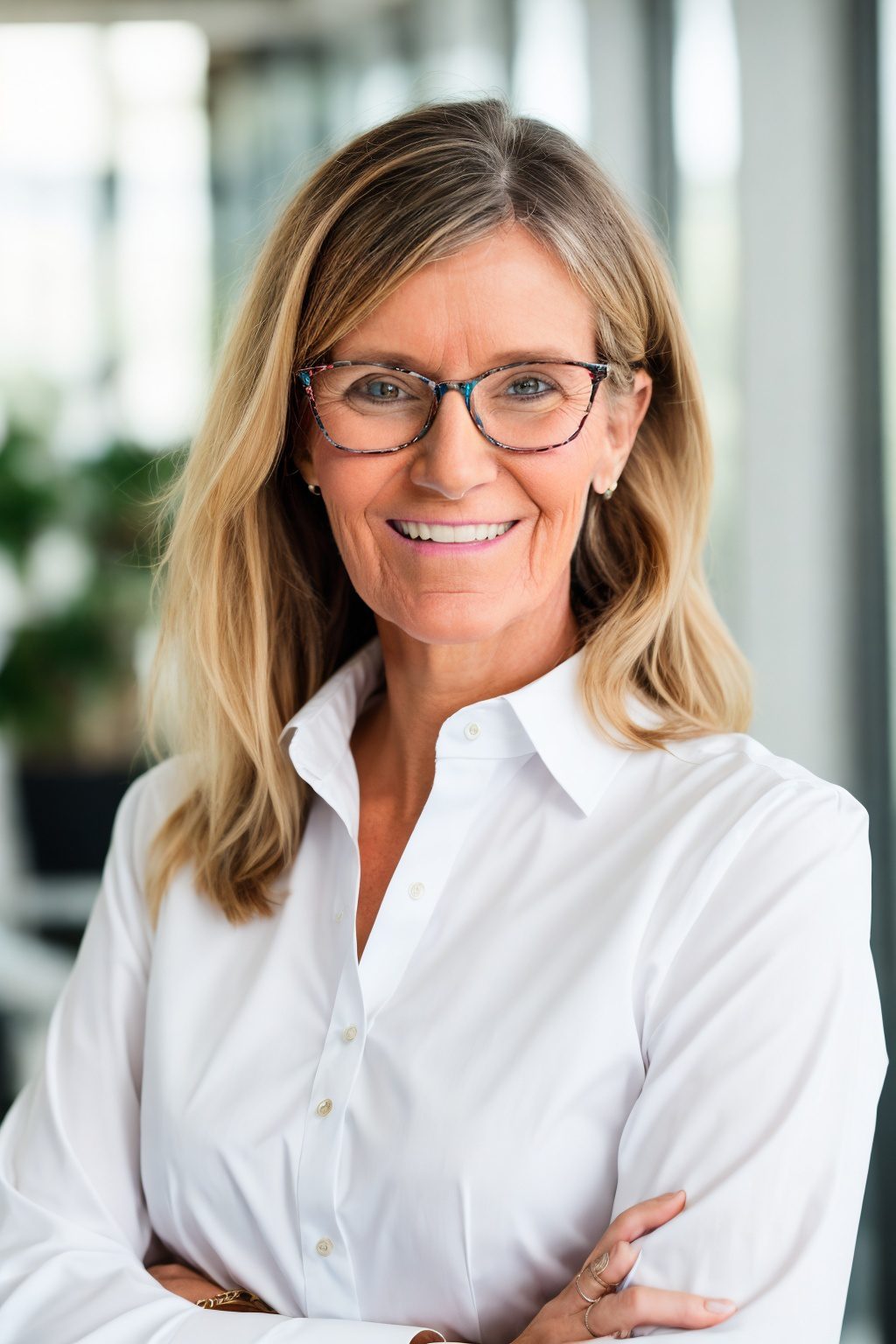 Debbie Simmons is the creator of the Architecture of Trust, an organizational framework that helps leaders strengthen leadership alignment, improve decision-making, and build cultures rooted in trust. Drawing from decades of executive leadership experience—including founding and scaling a multimillion-dollar nonprofit serving thousands of families—Debbie helps organizations identify where trust is breaking down and implement systems that improve execution, accountability, and organizational performance.
Today, she advises CEOs, founders, and executive teams on building organizations that scale with clarity, consistency, and purpose. Her work is guided by one central belief: Structure determines the speed of trust.
“Quit looking at the people and start asking the upstream question: What allowed this to happen?”
Debbie Simmons
Get ideas, inspiration and best practices from across the globe.




Subscribe Wherever You Listen To Podcasts




More great podcast episodes.
Season 7 | Episode 8
Making Work More Human
Season 7 | Episode 7
What Happens After the CSR Event?
Season 7 | Episode 6
Turning Sustainability Into Employee Engagement
Season 7 | Episode 5
Building Brain-Healthy Workplaces
Season 7 | Episode 4
Bringing Compassion Back Into the Workplace
Season 7 | Episode 3
Corporate Responsibility and Sustainability
Season 7 | Episode 2
Empathy, Insight, Impact
Season 7 | Episode 1
The L&D Approach That Actually Works