

STRONG TEAMS DON’T HAPPEN BY CHANCE 
What Happens After the CSR Event?
w/ Dr. Connie Marie Westbrook

Use the buttons above to listen now.
Transcript - What Happens After the CSR Event?
Rich Rininsland: On this episode of Team Building Saves the World …
Connie Westbrook: the businesses within those areas step up and they close that gap for campuses. Because we’re building citizens, we’re building kids that are gonna come back to these communities where they’re raised to give back. They’ve experienced everything.
They’ve experienced the hardships. First of all, if they’re a company that wants to write a check, thank you.
Rich Rininsland: Hello, team. It’s me, your old friend Rich Rininsland, host of Team Building Saves the World. And today, I’m taking you back to school as we learn about the imperative connection between schools, community, and the corporations that support them with the principal of C.A. Tatum Elementary in Dallas, Texas, Dr. Connie Westbrook.
But first, I have to give some love to all of my supporters at TeamBonding. If your team is ready to experience teamwork through the power of play, then visit teambonding.com to learn more.
Now, team, it’s time to learn about the importance of community partnerships with Dallas’ own Dr. Connie Westbrook.
Dr. Connie Westbrook, thank you so much for coming on the podcast. I appreciate you being here today.
Connie Westbrook: Okay.
Rich Rininsland: So, I wanted to start, very simply, this is just what we do, is to introduce you to our crew, our team out there who are listening. You’re calling in from Dallas, where you were born and raised.
Can you tell us a little bit about yourself? Tell us what it is that you do and how that became your calling.
Connie Westbrook: I am the principal of C.A. Tatum Junior Elementary School in Dallas ISD. This will be my fourth year as principal. I started this after being in the classroom for 13 years. I had a principal who continuously asked me every day to come out of the classroom, and I finally agreed.
I served as an assistant principal for nine years, and then again, moved into the principal position after nine years of saying, “Okay, I can go ahead and move up now.” Prior to coming into education, I worked as an accountant for a company. And the president of the company was also the president of the Dallas School Board.
And so I started getting a little bit of crossover, and some interest in growing up. I had wanted to be a teacher, and I had chosen a different path when I went into college just because the finances for teaching were not very high at that time. And I was really good at accounting, and so I chose that path instead.
But after working with him for a little bit, I was started getting that bug to get back into education. And so I eventually traded in my CPA hat and moved back to being a teacher.
Rich Rininsland: Lovely. And thank you so much for doing that, by the way. Not enough teachers get thanked just for being teachers. We appreciate the work you’re doing for the future of our country and our children.
Can I just start up, because a lot of people out there are gonna be wondering, as they’ve been listening to this so far, what this has to do with business. Because we are a business podcast, and we’ve been talking a lot this season, especially, about corporate social responsibility. So what’s the connection there?
Why would we wanna be talking about education in regard to CSR?
Connie Westbrook: Two reasons. Like I shared, I was in corporate America and I was seeing people that were being hired by our company, but they weren’t proficient in reading and writing. So I was like, “Okay, we need to go back to some of the basics in education.”
So there was a desire there for me to come from corporate into education. But once I got into education, I realized, “okay, educators can’t do it alone”. So especially I’ve worked in Title I schools for all 31 years of my career. And in communities that are lower economic areas, and so there’s not a lot of resources from the families in the homes coming into the school.
But what happens is the businesses within those areas step up and they close that gap for campuses. And so it opens doors for education because businesses are investing into the school, and that’s going out into the community. It’s bringing in resources that the parents don’t have to provide and don’t have the means to provide.
But it also shows, “okay, we’re in this together”, so it builds a unity within that community and lets parents know that they’re not alone.
Rich Rininsland: So what have you learned, no pun intended, about the cross-connection, the impact of these community partnerships?
Connie Westbrook: Businesses have resources that schools do not have.
And so they’re able to come in and provide things that the school cannot do. And depending on the businesses and the level of impact that they wanna have on the campus, and how much they want to build that relationship out, right? Do they want to donate to the campus to make things easier for the campus and the staff and the students?
Or do they want to actually embed themselves into the culture of the campus? And so it’s been great to have donations. I have somebody that all they do is sponsor my coffee bar for my teachers.
Rich Rininsland: Okay.
Connie Westbrook: They do a Sam’s order once every six months to me. And it sets up my coffee bar for my teachers.
And so it’s a very much appreciated investment, but I don’t see the people, right? Then I have another company that comes twice a week to tutor kids. They’re very invested in those students one-on-one because they’re donating time to them. There’s a lot of ways that businesses and people, individuals, can be involved in a school, whether it’s financially or time, or even just sending notes of encouragement.
I had a company a few weeks back that just did notes of encouragement to kids. I got a box of ” you’re awesome, you can do this” notes that we can give kids as they’re struggling each day from the counseling office. So there’s lots of different ways that companies can be involved depending on, like I said, what level they want to make that impact.
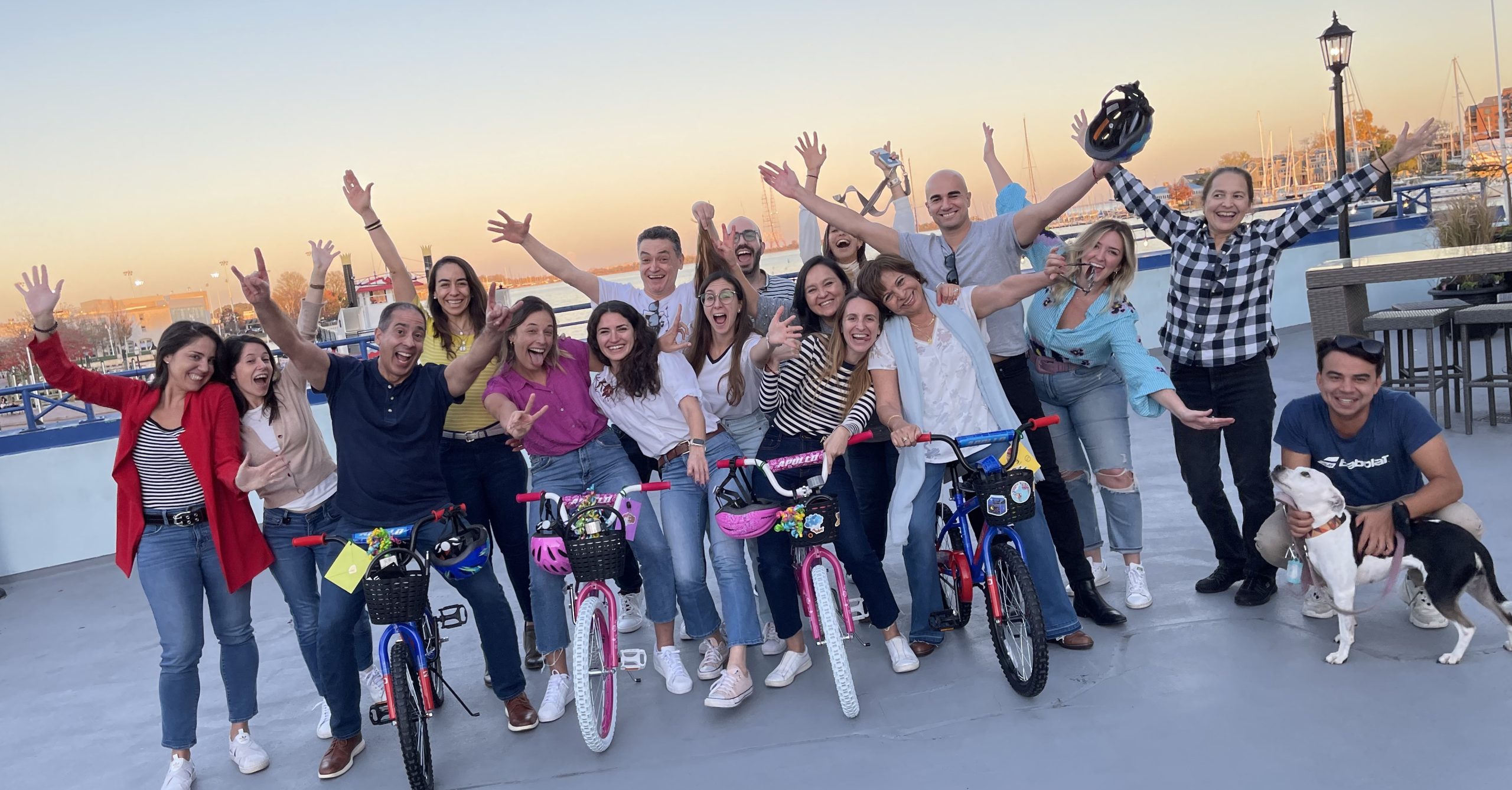
Rich Rininsland: And what does that impact look like? Because there are a lot of companies out there, especially with us here at TeamBonding, who they choose to do CSR events usually around school-age children. But while they’re doing the events, like one of our Tools for Schools or even a bike build for a local community group, they don’t really see the impact after the fact.
Can you give us an example of some of the positivity that they might be missing on the other end of it.
Connie Westbrook: Yes. So Tools for Schools, so one of the things is, stuffed backpacks for kids. And my parents weren’t wealthy, but I started every school year with new school supplies. And so you remember that.
You remember opening those crayons and that smell of the crayons. You look and they’ve all got these nice little points on them, right? And they’ve still got the wrapper on them. And so you start the year feeling like you’re a success and that someone cares about you. Versus the kids, in some of the communities we serve, if we didn’t provide those resources for them, they’re gonna show up with their leftover crayons from last year that are broken in half, and they have no wrapper on them.
And, their notebook is scribbled all the way through ’cause they got bored over the summer. And so just being able to hand them a stuffed backpack with the resources that they need during that first week to make them feel like we believe in them, we know that they’re gonna be successful.
And then, that, like I said, that thrill of opening that box for that first time to use those crayons just makes you feel different about yourself.
Rich Rininsland: But what about for the teacher side, too? Because I am the ex-husband and, raising a child with a teacher, now an administrator, much like yourself.
How does it impact the teachers? Because we’ve all heard the stories where teachers are spending hundreds of dollars out of their own pocket that they just can’t flat out afford to make sure the kids have the things that they need. So what more does this mean for the teachers too?
Connie Westbrook: Teachers are passionate about their craft.
Sure. They’re passionate about students. So I don’t know that we’re ever gonna keep them from spending money that they don’t have on their classroom, right? But we can definitely lessen that burden by making sure they’re not having to buy school supplies for kids, or Kleenex for their classroom because kids constantly are sick.
Even just snacks, because in our lower grades the kids get a snack every day. Not every kid shows up with a snack. And so the teachers are buying, they’re going to Sam’s and buying boxes of snacks so they can provide for kids that come without one. And so even just being able to provide that type of thing for teachers, or a thank you.
We do a stock the lounge week for teachers, where you can drop off anything and we put it in there. Because they love power drinks, they love caffeine. We had a organization donate a little countertop ice maker to us. And, it makes crushed ice, and my teachers think it’s heaven to be able to go in there and get crushed ice for their drink.
And it’s $235 on Amazon. And there’s things that we can do that just make teachers feel like someone cares about them too. And, during COVID I was able to go around and visit each one of my teachers in their houses. And, some of them live alone. They’re not even in the state with their family.
They’ve transferred here to teach. And so they’re in this apartment every day with no family. The kids are their life, and I’m like ” who pours into my teachers? Who’s giving, who’s filling up their cup?” Because, working in low economic areas, the kids come with a lot of needs, and the teachers are pouring out to them constantly every day.
So how do we pour back into those teachers? Sometimes it’s just those donations and those resources from organizations. I had an organization just send me gift cards, and they were $10 gift cards. And it was, like, to Starbucks or to QT, and we used them as door prizes during our PD meetings. Teachers were lined up getting into PD just because they were gonna get a gift card possibility. And so just little things like that just make a huge difference on the campus. And with yourself or with me, I’ll just use myself as an example. If I’m energized and I’m excited about being there, then what I’m gonna be able to give kids is so much better than if I’m coming in tired and broke and, feeling stressed ’cause I can’t make my bills ’cause I’m spending my money buying snacks.
And so it’s just much better for teachers and students all the way around, which, in effect, is gonna impact those communities. Because we’re building citizens. We’re building kids that are gonna come back to these communities where they’re raised to give back once they’re adults. And so the more that we can pour into them and the more we can build those qualities, the better off the community will be.
Rich Rininsland: Talking about community, let’s focus there for a second. ‘Cause, we have so many… And I’ve seen it throughout the entirety of my career where, yes, doing CSR is an important thing, and the corporations do know that it’s important to do it. But for a lot of the corporations it’s almost like writing a check and passing it on.
That is the end all be all of it. It’s the, “we did the thing where we’re gonna get the tax credit for it, but we’re also, able to say to those we’re hiring on, we do give back to the community.” What kind of outlooks can they look forward to with the community that they’re giving to make this more of a benefit for the companies to get involved in?
Connie Westbrook: Okay. So Rich I wanna say, first of all, if they’re a company that wants to write a check, thank you. Because we can’t do teacher luncheons. We can’t do student reward assemblies if we don’t have those checks that come from the businesses. So first of all, if that’s your donation, thank you very much. We appreciate it… but also, if you do have the facilities and the means to come in and spend time with students, whether that’s as a mentor or that’s as a tutor or that’s even just hosting, a boys club, a Cub Scout meeting. Any of those things are gonna impact the school directly, but they’re also gonna bleed out into that community.
And then we do a lot of community events. So we’ll do a back to school bash here in just a few weeks at the apartment complexes where businesses donate food to that, so that we can feed the parents when they come. We had shoes donated to us so we could give kids new shoes to start school with.
Rich Rininsland: Amazing.
Connie Westbrook: So there’s lots and lots of ways that you can impact, but it’s gonna feed into that community. But we also offer some services for our parents. So we do language lessons for parents.
I’ve connect parents all the time with an organization I have that helps do practice interviews for parents and help them get jobs.
For my parent meetings, I invite the companies around me to come in and recruit because my parents need jobs. They need to work for the companies in the area. So we invite them to come in. We invite them to hold classes for parents. So we have parenting classes for parents. They need to learn things about parenting, but they also need to learn things about the work environment.
So how do we blend those two? Then working with our businesses around us to find out what qualities our kids need as they matriculate through our campuses and graduate out into the workforce. What are the qualities that you’re looking for that we can instill in our kids? But then we have them practice those with their parents.
And so we’re getting a, a kind of a two-for deal there because the parents and the students are learning those qualities. So there’s a lot of ways that businesses can impact the communities that we serve through the school, but also out in those community projects that we’re doing as well.
Rich Rininsland: Can you give me an example, you don’t have to name names of course. But give me an example of something that you saw to really epitomize student success when it comes to this partnership.
Connie Westbrook: Okay. So the bike build is one of the things that we’ve been a partner on. And the bikes come into the campuses, and then we use those for rewards. So students that are able to hit their reading or math goals can go in and select a bike.
Now, we’re providing the tutoring every day after school for students, right? And we’re giving them snacks and celebrations like that. They get awards for attending tutoring as well. But if they hit that goal, then they get to go in there and select a bike that they want. One of the other ways that we use bicycles is we have a hard time with attendance.
And so every nine weeks, if you have perfect attendance, your name goes in the drawing for a bicycle.
Rich Rininsland: Very good.
Connie Westbrook: And then we give the bicycles away. And of course, the kids don’t know how to ride a bicycle, so we’re out there doing bicycle riding lessons. We had a company come in and do bicycle safety for the kids, so that they know, how to take care of a bike and what to do. And Rich I can’t not share this story.
Rich Rininsland: Please.
Connie Westbrook: After a nine-week was up and we gave away several bicycles and I’m leaving campus, and I’m on a very busy six-lane street. And down the sidewalk of this six-lane street, I see these kids just a-wobbling, just getting it.
There’s just a whole train like little ducks of kids on bicycles, and I’m like, “Where are they going?” So I had to wait. I turned around and came back so I could watch. They were riding from their apartment complex up here to the school so that they could race around our parking lot after it was empty.
Just seeing them getting out of their apartment, they’re putting down their technology to get out and experience the world, and they’re doing it on these bicycles that they’ve won as a reward. And so being able to see that impact and see them get out and do, and the parents go, “Okay, yeah, I trust you to go out by yourself and go with this group of kids back up to the school to ride bicycles,” was just phenomenal for me.
Now, I don’t know if it touches everybody like it did me, but I was just… and it was second through sixth graders on the bicycles.
Rich Rininsland: That’s awesome. I will never stop promoting as much as I can the Charity Bike Build. There’s been a challenge in CSR because it is… i’m constantly reminding the people as we’re in the middle of building because we…
It used to be before COVID, when we were doing bike builds, we would always have our local community groups, teachers, schools, Boys & Girls Clubs, whatever it might happen to be. We would always have them bring kids down to get the bikes themselves, so that way they see the impact right away.
These are the kids, those are their bikes. This is who is now going to be riding around on the streets. But nowadays after COVID, it’s just not feasible to get kids to come during a school day or what have you. So I don’t wanna say it has less impact, but I’m constantly having to try to remind the people in the middle of doing it, this is freedom for these kids.
This is an independence they’ve never had before, that now you have just given them at the cost of an hour and a half of your time, and maybe a little sweat from trying to tighten up all the lugs and so on and so forth on the bike.
But let’s talk about COVID for a little bit. How did things look for your group especially?
Pre-COVID and now. Have there, has there been a notable change?
Connie Westbrook: Yes. And COVID was really an eye-opener for me. I’m just gonna be honest as an educator. First of all, visiting my teachers and seeing, okay, they’re in an isolation. How can I build back into my teachers what they need? But also during COVID, the kids weren’t able to go and do, and so the school… we did a parade through one of the apartment complexes just so we could say hi to our kids in our car. We all drove through and just waved at them. And we became their heroes, just because we took time to go see them. And so it made me realize how important our time is when we invest it in kids.
So that was the first thing that was happening during COVID. Also during COVID a couple of the partners that we had sent supply packs to the kids’ houses. ‘Cause they’re doing virtual school, but they didn’t have supplies at home. And so they sent supply packs to their houses.
Nice. And so that was a huge impact from a partner group. But then just looking at the social and emotional change in kids, because after being home… and a lot of our kids that we have in elementary right now were toddlers during COVID. So they had no interaction with other kids or, out in public, and so we’re teaching the basics of interactions, things that they would’ve gotten normally just from being, you know, alive and being out in public.
They weren’t out in public. And so they come to us and they’re a little recluse. We have to, get over that, get them to talk to other people. But then also teaching them how to interact with other people because they haven’t had a lot of interaction outside of their families. And so it’s almost like we’re teaching babies, but they’re, five and six years old, how to interact with other people.
And so it had a huge impact. They became very dependent on technology.
And so after COVID, there’s not kids that play basketball outside. They don’t go and do, they’re not going down to the swimming pool. They don’t have all these things that we experienced as kids because they were in their room, not interacting with anyone for a year.
And so that became their way of life. And so it’s really a little bit difficult to get them past that in the classroom, and get them where they’re willing to do group work, and they know how to interact with other people. They know how to have a positive verbal exchange with people. They’ll text you in a heartbeat, but have a conversation, that’s a different story.
And so post-COVID, we see a huge difference. Now, educational-wise, we also saw a drop because kids weren’t getting that constant input while they were at home. Now, there were some kids that had a little desk and a computer, and the parents made sure that they devoted their right amount of time to coursework, right?
But what we see in our lower economic areas, and I’m gonna just go real personal for just a minute. The area that I was in at that time, there were 17 people in one apartment that were home all day. There were nine kids trying to do Wi-Fi hotspots. Technology doesn’t work like that.
And so they struggled to even get a space where there wasn’t somebody looking over their shoulder mouthing into the computer with them. And a particular area that I serve in, we had 100, over 130 families that were out without water for six months because all the pipes to the apartment burst.
And so as a school, we’re toting cases of water for families to pick up when they’re picking their kids up from school. And so the schools are really that between the businesses and the educational community, the families that we serve. And we don’t have the resources to make that connection a lot of times.
The cases of water the school didn’t buy, we were just able to distribute them to the families that we knew needed them, but they were donated by the businesses in the community around us. And so just really emphasizing that those business donations and those partnerships are what make us successful.
They’re what make those kids believe in themselves so that they can go ahead and achieve those goals and those markers that we have in front of them.
Rich Rininsland: What about the rest of the community? How does solidifying the community aspect of this strengthen, like they say, “floodwaters raise all ships”.
How does just improving the corporations and the schools improve the rest of the community as well?
Connie Westbrook: Some areas, like the campus that I came from, we had over 20 community partners. They were what made us successful. But I got to this campus and we had zero community partners. We got a really great community partner that first year.
My second year is when TeamBonding picked us up. And so, now I have about four really great community partners that I work with on a consistent basis. But being able to change the trajectory of a school, right? You’re creating your future workers. You’re creating the future workforce. You’re creating your future leaders. And so when you bring leaders out of a low economic area, they’ve experienced everything. They’ve experienced the hardships. The lifespan is shorter, so they’ve seen a lot more death than normal people see. And so when they’ve overcome those types of things and then you pour into them the things that make them successful, so now I get a person who is academically sound but they’re also emotionally sound because they’ve experienced all these things.
And then they know, okay, we’re in this as a community. I didn’t do this by myself. So I’m already willing to give back to my community. And so you just create this much better person, this much better citizen that understands globally what their goals are, right? Versus somebody who works really hard and they get there all by their self, then they feel like they’re in silo.
They’re an independent, successful person, right? Whereas the people that we bring out of low economic areas, they know that they couldn’t have done it without the investment of the businesses and the community in them, so it changes them. But also your community. If I’m running a company, I want that company to give back to the community.
I want them to understand that we are a force in this community, right? Positive or negatively, we are a force in this community. So even if I’m, a trucking company my big trucks are going down those streets every day. They’re seeing the name on the side of that truck.
So then whenever I go into that elementary school and I’m like, “Okay. Yeah, I’m from such and such trucking company,” the kids are gonna be like, “Oh- Oh, that’s part of what y’all do?” So they start realizing the importance of giving back. So it’s branding for the companies, number one, because it shows, “okay, yeah, we’re not just about making a profit, we’re about making a difference.”
And that’s a great way to get into the community is through the schools. Now, there are businesses that donate to the community without going through the schools. They’re having the diaper giveaways, they’re doing all the extra things in the community. And so I don’t wanna say, “Hey, don’t do that. Go through the school.” I would say it takes all of it. It takes all of us. It takes a village. That’s the old saying, but it’s really true. And the lower the economic development within a community, the more we need businesses. Where I’m at now I don’t have but just a handful of businesses within my zone.
And they’re not really the type that are willing to give, you know, back into the community. They’re the type that are barely getting by theirself, and the mom-and-pop shops. And being able to find community partners has been a stretch. I’ve reached out to over 20 of the churches that are within three miles of me, and didn’t get much response there either, but they’re not the churches that have staff on, there every week.
They’re the people that are there as a second job. And so being able to find community partners is very difficult, but once you find them, the impact that they can have on a school, it’s just… you’ll never be able to see it all. To answer that question you asked me earlier… you’ll never be able to see all of the impacts that you make, right? Because some of them are gonna be 24 years old when they remember that mentor telling them something, right? And that’s gonna impact their business dealings. But they may not remember it until they’re 24 years old and need it, and they’re not gonna go look that person back up and say, “Oh, thank you for this bit of wisdom you gave me that changed me as an adult worker.”
But those things happen. Just last week, I was at a meeting, and this guy walked by in a fireman suit. And he walked by me twice, and the third time, he’s looking me eye to eye, and I’m like… “Can I help you?” And he says, “I think you were my teacher.” And I said “tell me your name.” And he tells me his name.
The name didn’t ring a bell, but he turned around and he smiled at me, and I remembered the smile from this little kid, right? And I was like, “You are correct, I was your teacher.” And I wouldn’t know the impact I had on him if I hadn’t ran into him and he took the time to come and tell me.
And I saw that kid every day. So when companies are coming in once a week or twice a week to meet with students or to mentor, they may be able to build a relationship where that kid stays in contact them from now until eternity, right? But it may be that they make an impact for six months and they move on, and that kid doesn’t really show that impact until several years later. But we know that every minute that we spend with kids, we’re changing the way that they think. We’re building their future. And that’s immeasurable. You’re never gonna know how great of an impact you made. You just know you’re making an impact on a daily basis.
Rich Rininsland: Excellent. Yeah, I was just going to ask you, how can we convince the people out there who… ‘Cause I still get those people every time I go to do an event with somebody where they’re gonna have a good time. I know they’re gonna have a good time. Yeah. But they don’t know it yet. They show up and they’re like, “Duh, we’re building bikes,” or “we gotta pack school bags for kids.”
Tell them something. Don’t talk to me. Talk to them. Tell them something that this impact is not only going to have for you as a teacher and the student who gets the bag or whatever it happens to be, but what the impact is going to mean for them by the time the event is over.
Connie Westbrook: Okay. So one of the things that I like to tell people to do is think about somebody who made a difference to you, right?
Who impacted your life? Who helped you to be successful? Who stands out in your mind that supported you when you needed it?
And so a lot of times the kids that we’re serving in these communities don’t have those people, right? They have people that are struggling to get by. They don’t have those positive inputs.
And so this bike build or this guitar build or this stuffed backpack… or whatever way that you’re choosing to be involved in the schools is that positive input for a student. And I think about somebody, there was a principal that I had in elementary school. We had one interaction.
One. And I remember him to this day. And and it’s because I had a, I’d given my teacher this little bitty cut deal of coffee, a little tin of coffee, and it was like a little sample. And he asked me where I got it and I told him, and he said, “Would you go buy me one for every teacher?” And I said “I guess I can.” And he gave me $40.
Rich Rininsland: Oh, wow.
Connie Westbrook: And I went and bought ’em and brought ’em back. But the fact that he trusted me.
Rich Rininsland: Yeah.
Connie Westbrook: And so I finished the rest of the year knowing that the principal had trust in me. Now, I didn’t have any more interactions with him, but he trusted in me, right? And so that spoke volumes to me.
And so these, that’s what goes with these messages. We usually have people that are doing a Team Impact write a note, and it goes to the kid, and it says, “Hey, I believe in you,” or, “Hey, I wanna take my hour and a half to build this bike to invest in your future because I know you’re gonna be a success.” Now, that person may never meet that kid but that message goes to that kid, and it stays with them, for at least a year, but possibly a lifetime, that someone believes I can do it, someone believes I’m successful. Or just the message that someone believes I’m worth investing time into.
Rich Rininsland: Nice.
Connie Westbrook: And so that’s what I would tell you. You may not ever meet these kids.
You may not see the impact that you have on them 20 years from now because they don’t know it’s you walking by ’em in a store. But know that you’re sending them a message, and you’re doing an input in them where maybe no one else has for that week, that says, “You can be successful. You can do it.”
Rich Rininsland: Connie, give me a wish list.
Give me something you wish that a listener out there right now, who may be in a company who hasn’t done anything CSR related for either this year or quite some time, give me a wish list, a wish you would want them to hear.
Connie Westbrook: So I would tell a company that’s looking at getting involved in community impact or making a difference in a school, first of all, to ask the school what they need.
Because they may not need school supplies. They may have someone that can provide school supplies, but they may need tutoring snacks. Or they may need you to come with your workers and paint the playground. We painted my playground this summer, and my husband was out there with the roller painting, a four square on the playground.
And we were out there painting hopscotch. That could’ve been a community impact day that is there for the next five years, right? That you see our company did this, and we can send back videos of the kids playing hopscotch, right? And so I would say, first of all, ask the school what do they need.
What would be the greatest impact? Because we go in with an idea of, “oh, we need to give them school supplies”, but that may not be where they need the impact. And so I would say ask them what they need as far as an impact. But for me at Tatum, I would tell you tutors, mentors. I need people that are willing to give me one hour a week with a kid.
I have a lot of students who come from single parent homes. They don’t have that other male or female role model. Elementary schools for the most part are female teachers. And so males in the elementary school are rare. And then if they’re from a single parent home where the mom’s raising them, there may not be a male impact, a male interaction.
And so I think it’s important for them to have both. So I would tell you for me, for my campus, mentors or tutors would be my number one need right now. But I would say every campus is different. And so just take the time to ask the campus, “Hey, we have 50 volunteers, or we have X amount of resources that we can put for you. What’s the best way to do it?”
I had one company that did $1,000 Amazon where we could order all of the rewards for our school store. So the kids get Tatum bucks for their character, right? We do character counts, so they get Tatum bucks for that, and then they get to go to the school store and buy erasers or cool looking pencils or pens or whatever.
And so it was great to get that kind of a donation even. But I would say to ask the campus what they need would be the best way to meet the needs of the school, the teachers, the students, and then eventually out into the community.
Rich Rininsland: Dr. Connie Westbrook, thank you so much for coming on the show again.
Everybody out there, my team, please give her a big round of applause. Dr. Connie Westbrook. Connie, did you have a good time? Did you enjoy being here?
Connie Westbrook: I did. Thank you very much. You did that so much! Thank you for letting me highlight the community and the work that businesses do.
Rich Rininsland: Yes, indeed. Now, so everybody out there knows, this is actually the first podcast Dr. Connie Westbrook has been on. She told me this herself before we came on. You did a fantastic job.
Connie Westbrook: Thank you, sir.
Rich Rininsland: I’m so glad you were here, and what you had to say, so important. Please, everybody out there, reach out to your local communities. Reach out to your local school districts. Find out what they need.
Remember, children are the future, so if we’re going to have one, we have to take care of them, and we do so by taking care of the teachers who take care of them for us. But Connie, I hate to do this to you, we’re not done yet. It’s still time for my speed round.
Connie Westbrook: Okay.
Rich Rininsland: So everybody out there remembers, and I have to remind Connie because I told her before I began, that this is gonna be 60 seconds of completely innocuous questions.
Just silly little things that I wanna hear right off the top of your head. So this is just a way to get to know you a little bit better, but if you are up for a challenge, and you did say before that you like a challenge, we’re still trying to beat 16. 16 questions asked and answered. I’m gonna play some music that just keeps me in memory of the time. Are you ready to go, my friend?
Connie Westbrook: Sure.
Rich Rininsland: All right. Dr. Connie Westbrook, let’s get to know you a little bit better. Soon as you hear the music, I’ll ask the first question. Away we go. What’s your name?
Connie Westbrook: Connie Westbrook.
Rich Rininsland: How many kids do you have, Connie?
Connie Westbrook: Two.
Rich Rininsland: Which one’s your favorite?
Connie Westbrook: I don’t have a favorite.
Rich Rininsland: Favorite holiday?
Connie Westbrook: July 4th.
Rich Rininsland: What’s the best thing you’ve ever written?
Connie Westbrook: My dissertation.
Rich Rininsland: Do you have any pets?
Connie Westbrook: I have chickens.
Rich Rininsland: If you could ask your chickens a question and get an answer, what would it be?
Connie Westbrook: What are you thinking about?
Rich Rininsland: Favorite TV series of all time?
Connie Westbrook: Ooh, CHiPs.
Rich Rininsland: Wow, going back. What job would you be terrible at?
Connie Westbrook: An accountant.
Rich Rininsland: How do you like to unwind after a busy day?
Connie Westbrook: Do yard work.
Rich Rininsland: Favorite way to stay creative?
Connie Westbrook: Paint.
Rich Rininsland: Pancakes or waffles?
Connie Westbrook: Waffles.
Rich Rininsland: First job?
Connie Westbrook: Grandy’s Fried Chicken.
Rich Rininsland: Anything on your bucket list?
Connie Westbrook: Go to Greece.
Rich Rininsland: Oh, favorite go-to karaoke?
Connie Westbrook: Nope. I don’t do karaoke.
Rich Rininsland: Favorite music?
Connie Westbrook: Jazz.
Rich Rininsland: 17. We did it. Dr. Connie Westbrook, 17 questions. Amazing. I was looking at my numbers as I’m hashing them off, and I’m hearing the music, and I know what it sounds like, and you were just shooting off those answers. That was f… , that felt so good.
Thank you, Connie. Thank you.
Connie Westbrook: Thank you guys very much. Love y’all.
August 20, 2026
What happens after the CSR event is over? In this episode, Dr. Connie Westbrook, an elementary school principal in Dallas, shares the lasting impact CSR and corporate partnerships can have on students, teachers, families, and entire communities. From bikes that give students newfound freedom and confidence to backpacks, tutoring, mentorship, and simple acts of encouragement, Connie reveals how seemingly small contributions can create ripple effects that last for years. She also shares why businesses should look beyond writing a check and ask schools what they truly need—and how showing up with time, resources, and genuine commitment can help build stronger communities.
About Connie Westbrook
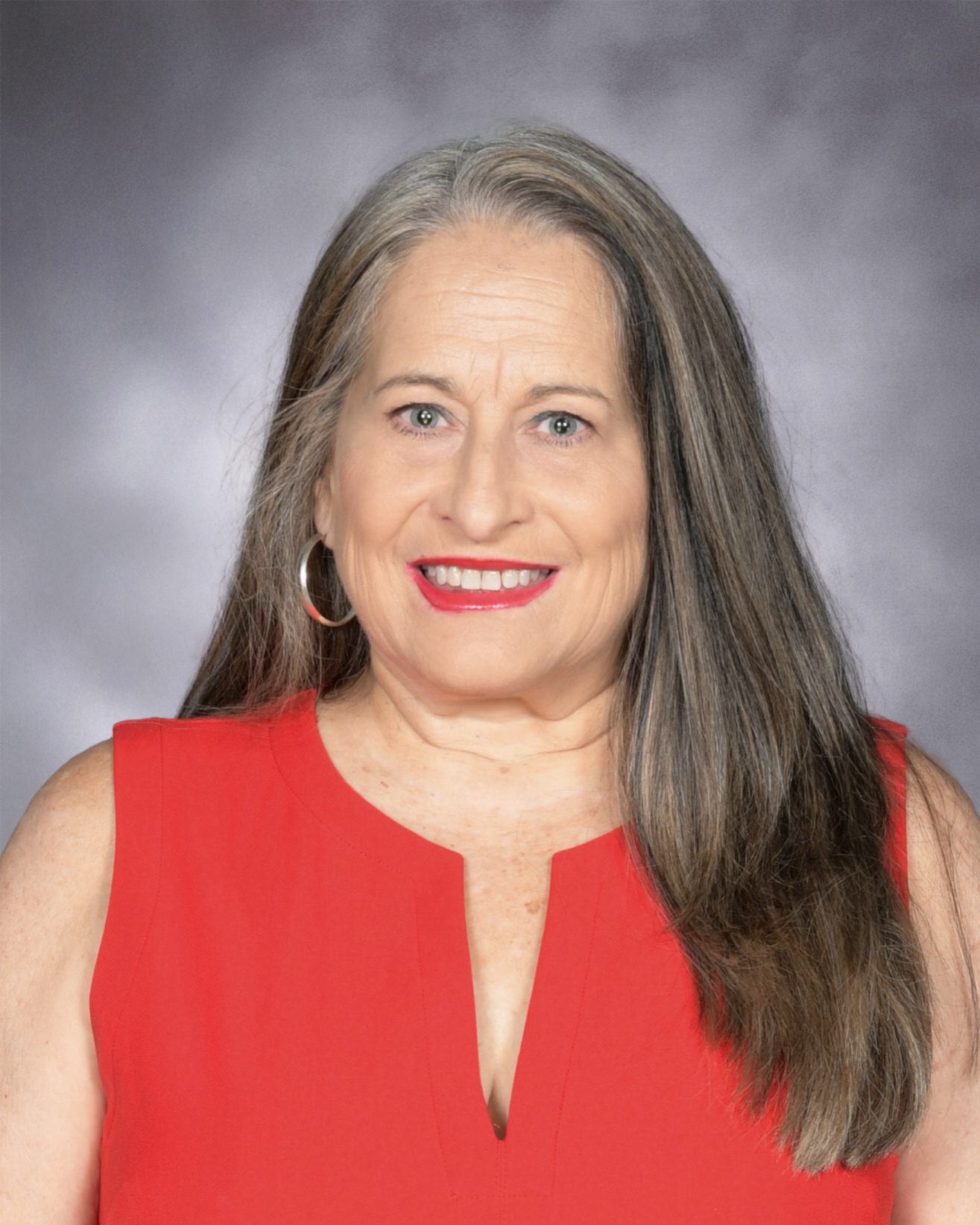 Dr. Connie Marie Westbrook is a longtime Dallas educator and the Principal of C.A. Tatum Elementary, where she continues her mission of helping students, families, and communities thrive. With nearly three decades of experience in Dallas ISD, she has served as a teacher, Title I specialist, and administrator, leading initiatives that have improved academic achievement, graduation rates, and college access. Throughout her career, Dr. Westbrook has built meaningful partnerships with businesses, nonprofits, and community organizations to bring resources, mentorship, and opportunities to students and teachers. She holds degrees from The University of Texas at Arlington, Texas A&M University-Commerce, and The University of Texas at Austin, and is passionate about the power of education and community partnerships to transform lives.
“You’ll never be able to see all of the impacts that you make. Some of the kids may not realize the impact you had until they’re 24 years old and remember something a mentor told them, and that’s what influences their future.”
Connie Westbrook
Get ideas, inspiration and best practices from across the globe.




Subscribe Wherever You Listen To Podcasts




More great podcast episodes.
Season 7 | Episode 8
Making Work More Human
Season 7 | Episode 6
Turning Sustainability Into Employee Engagement
Season 7 | Episode 5
Building Brain-Healthy Workplaces
Season 7 | Episode 4
Bringing Compassion Back Into the Workplace
Season 7 | Episode 3
Corporate Responsibility and Sustainability
Season 7 | Episode 2
Empathy, Insight, Impact
Season 7 | Episode 1
The L&D Approach That Actually Works
Season 6 | Episode 18
That’s a Wrap!