


STRONG TEAMS DON’T HAPPEN BY CHANCE 
The L&D Approach That Actually Works
w/ Jolynn Ledgerwood

Use the buttons above to listen now.
Transcript - The L&D Approach That Actually Works
Rich Rininsland: On this episode of Team Building Saves The World.
Jolynn Ledgerwood: Okay. I knew it would have an impact, but this is way bigger than I thought that it would impact these groups.
It’s not just the adults that give the eye roll. The students coming into that, the basketball team coming into that session. They gave me massive eye roll and I was like, “no, I mean, we’re all here together. We’re all here to learn and to be better people”. You know? I wanna know more about you to make me a better person. Everybody is sitting in an equal spot. Everybody has the same Legos.
Rich Rininsland: Hello team. It’s me. Your old friend, Rich Rininsland host of Team Building Saves The World welcoming you to season seven of Team Building Saves The World.
I can’t thank you enough for continuing along with me as we meet the thought leaders and team building from all around the world, and today is no exception. I’m joined by Jolynnn Ledgerwood, a Learning and Development Expert, and the CEO of Elevate Your Talent. But first, I do still have to share some love with all of my supporters at TeamBonding.
If your team is ready to experience teamwork through the Power of Play, then visit TeamBonding.com to learn more now, team, let’s build a wonderful relationship with a woman who harnesses the power of Lego Serious Play Jolynn Ledgerwood.
Jolynn Ledgerwood, thank you so much for coming on the show. I appreciate you being here.
Jolynn Ledgerwood: Thanks for having me. It’s a pleasure.
Rich Rininsland: First off, thank you so much for coming on for our seventh season. Yay. We’ve been doing this for so many years. I, I looked so young back then. Anyway, I just wanna say, can we start out like we normally do, just tell my folks out there a little bit about you so we can get to know you a little bit better and how you got into this line, this career for yourself.
Jolynn Ledgerwood: Yeah, this is a great story. So I grew up in Texas and graduated high school, wanted to go to nursing school. The third year of my nursing school, my Dean came and said, “Something’s not right. You’re passing all of your practicums papers, projects, and you are bombing every single test. I wanna have you tested.”
So I was tested, found out that I have a learning disability. Told my mom. She’s like, “oh, I’m so sorry”. I’m like, “mom, you didn’t know.” Like it wasn’t a thing back then. I’m 50 something years old and it wasn’t a thing. It was, “you’re not trying hard enough” and all the things. So, at the time, work was going really great.
I was in the hospitality industry. There’s this big test that you have to take to get out of nursing school and to actually be a nurse. And as much as I love that the concept of helping people was really more important to me. And so I pivoted and went to work full-time, much to my father’s dismay. And went into hospitality, training other staff members, training managers on how to do their jobs and while recognizing that everybody learns differently. Some people are gonna learn by audio, some people are gonna learn by written papers. Some people are gonna learn by actually doing a task. And so that really propelled me into the L&D space.
And I’ve stayed there through many years. I moved up to the IT department and the hospitality industry. And then I went to voiceover IP and cybersecurity. And finally in my last rif, a reduction in workforce. My husband said, why don’t we just do this for you, for other people, and that way you can work for all the companies.
And I was like, I’m not an entrepreneur at heart, but he is. And so he is like, “let’s do that”. Great. Let’s do this. So I gathered the certifications that I had and have been marketing, just helping businesses right now, especially, it’s just hard and with layoffs and uncertainty. And I see that they need a way to bring everybody together and say, and own, ” yes, we had these layoffs” or “Yes, the world is crumbling as we know it”. How can we address those issues and how can we further solidify that you, that are still here are very valuable and important to us? We want you to know that we believe in you and we’re going to continue to grow together and just helping organizations break through some of those challenges that they have.
Rich Rininsland: Fantastic. And for my team out there who may not be aware you did mention L&D, which is learning and development.
Jolynn Ledgerwood: Yes, sir. Mm-hmm.
Rich Rininsland: Great. Can you define that a little bit more for them and tell ’em why this became a specific point for you in particular?
Jolynn Ledgerwood: Sure. So L&D in any organization can also be classified as training or human development.
Where we train people on how to do their jobs or how to work with others to do their jobs. We also train on regulations and requirements and all the legal garbage things. Which that department obviously won’t think things that way. And unfortunately because training is not, at least if it sits under HR and not sales or another org.
Rich Rininsland: Mm-hmm.
Jolynn Ledgerwood: L&D unfortunately becomes an, it’s a nonprofit generating space. And so when there’s reduction in workforce, most of the time L&D, Learning and Development Training is let go because we can just do it in-house. And we’ve got plenty of people that know everything about that position.
Rich Rininsland: Yeah.
Jolynn Ledgerwood: Not realizing that just because they know everything doesn’t make ’em a great trainer. Those are very different things. Yeah.
Rich Rininsland: Right. And how, how well that works out for them in the end.
Jolynn Ledgerwood: Yeah. Right. Exactly.
Rich Rininsland: Well, thank God for them. They have people like us.
Jolynn Ledgerwood: Yes. Yes, exactly.
Rich Rininsland: So that’s, is, that’s what you do, you basically go into these people and you are the L&D for them, or is there more to what it is that you offer to your clients?
Jolynn Ledgerwood: Really? I can do both, Rich. It’s mostly a consulting piece where they come to me with a specific problem or hurdle that they’re trying to overcome, and I advise on plans that we can use to execute and to get past that hurdle or to embrace that challenge or to really understand better a product launch or things like that.
I like to go in when they have something specific that they need. Now, I probably wouldn’t turn away business from doing training for an organization. That would be fun too. But I really like more of the human development piece and not “let me teach you how to be a great salesman”. I like when people bring themselves authentically to the table and say, ” this is what we’re struggling with.”
And everybody’s able to give a voice. I often say it takes a courageous leader because there might be things that we uncover through one of my specific methodologies we’ll talk about later that nobody even thought of before. That wasn’t even on the table. That wasn’t even something on the force. It just wasn’t anywhere on the landscape. And to be able to look at that and say, “wow, let’s figure that out and work forward.” I think it’s just, it’s amazing the growth you can see in the classes that we have.
Rich Rininsland: Is that what you think it takes to be a courageous leader to actually say, there’s something we need. Let’s go find it. Or is there some other necessity that, that makes you a courageous leader?
Jolynn Ledgerwood: Well, I think any leader can look at their I’ll say landscape again and say, “something’s not right. We need to fix this.” But most of the time they go in with, we’re probably gonna think of this, this, and this as things that we need to talk about or address.
Whereas in this methodology, it’s possible because we’re creating models. And I encourage people, when you build with your hands, you open up 80% more brain power and that’s in your prefrontal cortex, which is amazing. 80%. And when they’re building, I say, “don’t think about it. Just build whatever is going on. Just go with your hands. Just build.”
Your subconscious comes through a lot where I think, and I’ve seen where people will build things and then we’ll talk about it afterwards, and then there will be an insight of, “oh, I didn’t, yeah, that makes sense, but I didn’t really think about that before.” So because we’re tapping into that subconscious, you know, there may be ideas that they come up with that we’re never in a strategy session, or we’re never even in the leader’s mind because they didn’t understand some of the background of the team members or some other things that they can bring to the table.
Where that leader is able to say… and granted, these are not like astronomical off the chart, like these are still doable concepts. But it takes that leader to say “that’s amazing” and “let’s figure out how to do that,” or, “that’s very valuable input. Let’s hold onto that and see, how we can use that moving forward.”
That’s what a courageous leader is. Yeah.
Rich Rininsland: Now you did say that you’re gonna tell them that they just build whatever they want to build. For my team out there, can you tell them what building means for you?
Jolynn Ledgerwood: Yes. So the methodology I am so passionate about is called Lego Serious Play, or LSP. This is a model that was created by the Lego Group back in 2010.
They put it on the shelf ’cause it wasn’t a big revenue generator for them. Two of the family members picked it up off the shelf and said, “no, we see value in this and we wanna expand it.” So they started creating special kits. They started creating training for facilitators. So there’s over 15,000 facilitators in the world and only a hundred in the United States.
And when I heard that I thought that’s crazy. Like we love Lego, we love to build. But as we were talking earlier, I think because Americans see this box that looks like work, and if it doesn’t fit in this exact piece, then it can’t be valuable. It can’t be useful, so we’re not gonna do it. But we do, we build models.
There’s a four step model. I pose a question, you know, build a tower. And they each have the same set of Lego bricks. The exact same set and everybody builds their tower and we talk about it. And this is a great example where everybody is able to share their model and all the towers of course are different.
Somebody will say, ” I made mine really strong with a solid base so that it wouldn’t fall over.” The next person will say, “I just wanted mine to be the tallest.” And the next person will say, “I just, I used all the bricks ’cause I thought we were supposed to use all the bricks.” We introduce limiting beliefs, I never said any of those things.
Rich Rininsland: Right? Right.
Jolynn Ledgerwood: Everybody brings something different to the table and all of the towers are right. No one’s wrong. Like everybody’s right. Because that’s the tower to them.
Rich Rininsland: Yeah.
Jolynn Ledgerwood: And we have reflective questions where other people around the table can ask questions of the builder. You know, “I see you used this flag on this piece. Does that represent something?” And it challenges the builder to really think through. “Maybe there is a reason why I did that. Maybe there is a purpose, maybe there is some subconscious there that is reflective in my build.”
One of the things I’ve learned is we are all very different people because my background is my background and nobody else knows what my background was like, but me. And it’s made me who I am today. And so you’re really able to tap into the diversity and the individuality of our teammates. When we do these builds, it’s incredible.
Rich Rininsland: What are some of the outlooks that you do look for in this program? I mean, what are some of the things you usually expect to find, and what are some of the surprises that you found along the way?
Jolynn Ledgerwood: So I’ll give an example of one group. And these workshops can be anywhere from one hour to two days. And it depends on individual small builds and we can get up to what’s called a shared model and then a merged model with connections and the whole thing.
Rich Rininsland: Nice.
Jolynn Ledgerwood: I’ll try to make this a short story.
One of the gentlemen in the group was a trainer or a HR team member at a school district in Texas. And at the time, Texas was looking at creating vouchers for students to go attend private schools instead of the public schools.
Rich Rininsland: Sure.
Jolynn Ledgerwood: And so we built what that looked like. And then we built what we considered would be impacts of that to the business.
And so there was a financial aspect, there was a parent, teacher or parent kind of aspect of how that would affect the parents because they wouldn’t have as many resources from the school district, maybe that they will vice versa from the private schools. There was the student, you know, all these different ways that this decision can be impacted.
And then we build connections to, and those connections can be a solid, very rigid connection if it’s a really like distinct connection or a very fluid, so like a thin thread between two bricks kind of connection. And then once we built those connections, you then pull on that piece and see how it impacts the build.
And pieces are snapping off, people are falling over. And looking at a model like that, you’re like, “okay, I knew it would have an impact, but this is way bigger than I thought that it would impact these groups” or ” originally, I knew that the teachers would be impacted, but their classes could potentially be a lot smaller than they are, thus being a benefit because they’ve got more time with each student than what they had before.”
So opening up some of those things and looking at the physical model makes our awareness even bigger.
Rich Rininsland: One of the things that my higher ups wanted me to talk to you about was CSR. Corporate Social Responsibility.
Jolynn Ledgerwood: Yes.
Rich Rininsland: Talking about the community, how can this Lego build of yours influence that?
Jolynn Ledgerwood: Great question, but I’m gonna flip it because I think it’s more of the individual’s background and their individual stories that have an impact on the group build. When you’re in the room, you’re building, there’s no, “I’m just gonna be a fly on the wall,” or “I’m just gonna watch”. If you’re sitting at the table with the group that you’re building.
And what it allows is, and again, the tower exercise is a great start.
It really introduces safety, and we’re all right. Nobody’s wrong. We’re all gonna build together, and what you bring to the table will be heard because everybody gets time to share and other people can ask questions. So when I bring to the table my diverse background or my different lifestyle, whatever that looks like to your group and your team. I’m given the permission to share and it’s only sharing what you’re comfortable with, obviously. But having some of those subconscious things come through our build and talking about those things is where we really recognize that some of our team members may be a little bit more different than we thought before, or may not have felt comfortable sharing some things about their world or their thoughts that they did before. Building a model and having a physical thing, a model in front of you is a lot more safe than sitting around a conference room and just bouncing ideas off of people because. When ideas are bounced and something is said, there’s facial expressions that can’t be controlled. And sometimes those can be very welcoming or very off-putting. When it’s a build, it’s not directly me that they’re asking questions about. They’re asking questions about my build. And so there’s enough of a disconnect that people feel safe sharing in those environments and they do. Their individuality does have an impact on the group build and what’s important to them.
Rich Rininsland: And what are you seeing as a result of these things?
I mean, what are people taking away? Because I’m, I’m certain that you have to say to them, ” you could expect X, Y, Z. ”
But there’s also gotta be those things they’re not expecting.
Jolynn Ledgerwood: Absolutely. Yeah. So it can vary anywhere from. “I had no idea. I mean, I’ve been working next to Susie for five years and I had no idea that that was her background.”
Because a lot of people don’t feel comfortable doing water cooler talk or whatever that looks like. So to put that in a build is just really impactful. A great example, I did a session for the girls’ basketball team at the high school nearby, and in our particular area in Frisco, Texas, there is a large population of Asian, Indian and Eastern demographics that have come to the area. So there’s a big difference in their thoughts and beliefs on team building, being a great team member. And so when we build a model of what does your ideal teammate look like? Some of those were very similar to the other students and some of them were very different.
And it was kind of eyeopening to see them kind of, “oh, well my teammate thinks this is important and I think this is important. And those are really similar things. So we really are more alike than I thought we were before. We really are more in sync than it seems on the outside.”
And it was kind of humbling for all the students to see that. One of the other things we look at when we’re building is different perspectives. So we’re gonna look at the builds from the side. We’re gonna look at the build from the other side and maybe from the top down. And you see things differently at those different perspectives, and so it allows people to recognize that not every day do I need to just take things at face value. There’s probably a lot more behind that that’s important for my individual teammates.
Rich Rininsland: Okay. Can you give me an example of something that you’ve seen like that occur?
Jolynn Ledgerwood: Yes.
Rich Rininsland: Well, of course, I don’t want you to spill the whole beans. We don’t need names of course.
Jolynn Ledgerwood: Yeah. No, no, no, no. I’m trying to think of a good example. I’ll go back to the basketball team. One of the groups, I asked them to build, what does a successful basketball season look like to you? And one of the teams built a very vertical piece with teammates up top on kind of like a balcony, and then the coaches down below.
And so when she talked about it, she’s like, “I see, our team success, you know, being successful. Our coaches are here to support us”. And I said, “great.” And when we look at it from the top down, “you don’t see the coaches, right? That’s just you guys, right? Y’all were the ones that succeeded.” So sometimes those foundational pieces, we may not be open to recognizing.
And it kind of reemphasized the coach’s mantra. “This whole year has been brick by brick”, which is why I approached him to do the session. Meaning that the foundational, just the running and basic drills and team building are just as important as the performance on the court. So it was able to kind of merge that together and for him to see that, ” yes, the coaches are part of the success, they’re not below the team players, but they’re not as seen as the team members themselves are.”
Rich Rininsland: And what did this wind up meaning for the girls themselves?
Jolynn Ledgerwood: Just for them to acknowledge that those individual sessions were important. He would do classroom team building and then they’d go spend time on the court. And a lot of the girls were giving pushback on, ” we just need to be out on the court.”
And he said, “no, we have to have a good foundation here in order for you to feel confident passing the ball or setting up your teammate on the court.” They were able to see that connection of “this makes sense”.
And at the end of that session, it was really great. I asked the girls, ” what are some highlights from today? What are some things that you learned?” And several of the girls said, ” my teammates are really awesome and I’ve always enjoyed playing with them, but seeing some of the things that they’ve shared today have really helped me understand who they are, not just as a name, but a person with history and story” and you know, there’s so much diversity in our area of Frisco here in Texas that it’s exciting to see them embrace that because sadly, a lot of times it’s easy for some people to say, “they’re not like me. I don’t wanna have anything to do with them.”
Well, no. We’re all here together. We’re all here to learn and to be better people. I wanna know more about you to make me a better person.
Rich Rininsland: One of the big things that we at TeamBonding talk about is that power of play. The idea that you can learn more about a person through just a few minutes of playing a game with them than you ever will throughout a lifetime of conversation.
Jolynn Ledgerwood: Absolutely.
Rich Rininsland: And you, yourself, I did some background check on you before you came on. One of your websites talks about the eye rolling. Stop the eye rolling when your team hears corporate team building or any kind of team building kind of situation that they’re getting into.
I’m not angry. I have myself been that person who is standing there waiting for the crowd to come in and had their eyes audibly roll at me as they are coming into the room.
Jolynn Ledgerwood: Yeah.
Rich Rininsland: What is it that you think is about the power of play? Especially when you look at something like a Lego. The last time we probably played with them, talking about those, you know, people of our age who are coming into a space was 40 some years ago, 30 some years ago. Right? 20 years ago even. What is it about that that allows walls to come down as they’re building walls up?
Jolynn Ledgerwood: So a couple of things came to mind as you were talking. The first one is the Lego bricks that you played with Rich still connects with the Lego bricks that they make today. So the model hasn’t changed. The materials that they build with has changed over the years, but you can grab your set and mix it with my set and they would totally build together, which I think is pretty cool. Two. It’s not just the adults that give the eye roll.
The students coming into that, the basketball team coming into that session, they gave me massive eye roll and I was like, “guys, this is fun. Like this is fun. This isn’t like, you know, chalkboard talk. This is fun.”
But I take myself back to imagine, my brain doesn’t work in strategic world. It just doesn’t.
I am a relationship builder, intuitor. And I’ll even execute better than I can strategize, but I remember the dread of walking into leadership meetings in the fishbowl conference room table where everybody needed to talk about “how we’re gonna do this” and “what are some ideas for that.”
And I just was like, “Ugh.” My brain just doesn’t work that way. And so I felt guilty. “If I don’t contribute, then I’m not a team player.” It was a challenge for me versus, “Hey guys, we’re gonna strategize, meet us in the conference room.” And everybody walks into that conference room, there’s Lego bricks sitting in every seat, and their eyes, instead of rolling, they kind of get really wide and they’re like, “what? I thought we had a…” “We do. Come on in, have a seat. Open up your boxes, get comfortable.” We have some that are like overjoyed and stoked and like organize their bricks and are very methodical about it.
Rich Rininsland: Yeah.
Jolynn Ledgerwood: Versus some that are like, “I’m not creative, I can’t build.” Okay. That’s fair. I respect that. “Will you please give me two builds and then decide if you’re in or out? Because I think that you have more to offer than maybe you think, and this is not a creativity contest, it’s just participation.” And by the second build, they’re the ones that are like, “this is awesome. I love this. I’m gonna build this and I need that.” And just this whole exuberance around it.
Yes. You still have the eye roll ish because it’s a team build, or whatever kind of session.
Rich Rininsland: Yeah.
Jolynn Ledgerwood: But it breaks the ice and it allows it to be during business hours versus after hour golfing, after hour bowling, whatever. That like young moms and young dads may not be able to go to because they’ve gotta take care of their kids.
Or it’s at the bar for happy hour and maybe there’s people that don’t drink or won’t because they have to go home to their family. So it really taps into everybody being able to participate, at the office during hours. And it’s a break from what’s perceived as the mind drain of strategic thinking and just that constant whiteboard activity or death by PowerPoint like, “this is how we need to work better as a team.”
Well, no, let’s build what my ideal teammate look like. What does it look like? What does my department contribute to the organization versus your department and your department.
Or ” we’ve got a new product rolling out. What are some perceived impediments that might hold us back. What does that look like?” And seeing those models really make a difference versus what I say versus what you can see about me and my ideas.
Rich Rininsland: Does everybody have their own packet or is it a team has a group packet?
Jolynn Ledgerwood: No, everybody has their own packets.
Now, if it’s a two day exercise, I’ll bring in two huge kits that have way more pieces in them than just this bag. But everybody gets this bag to build and build and build, and they take it home. But some of the bigger pieces we bring in are the duplos, the animals, we have money, we have all the many figures you can even imagine.
But even then, I encourage people really focus on the metaphor of what you’re building instead of a physical build of what you’re thinking about. One of the questions that we’ll ask is we’ll have everybody build something with the kit that they have that’s aesthetically pleasing. So build something that just looks pretty to you.
And then we share our models, and then we’re challenged by, ” now use your model to describe politics.” So you kinda get a few seconds to get your mind wrapped around it, and then you’re able to say, “well, this can represent this,” and you know, we’re very nonpolitical here, but still.
It’s challenging because it forces you to look at that object in a different light. So yes, it’s a cute, pretty aesthetically pleasing object, but it can also represent other things. And help me understand what that looks like to you.
Rich Rininsland: And how is the best way that you have found to… because we always have those individuals who are, like you said, they’re the gungho. No matter what it is that you’re doing, they can not necessarily do it better than anyone, but they’re gonna be more energized about it than everybody else. And then you have the wall flowers who are used to the ones where you’re in the group meetings where it’s like, “gimme your ideas now, now, now.” They’re the ones who sit back. And, either say to themselves, “what I have is not valuable,” or “I just don’t know so I’m not even going to give this an attempt.”
How do you get them outta that shell enough to want to partake in play?
Jolynn Ledgerwood: You’d really, you’d be really surprised because when we’re in the room and everybody has a seat at the table and everybody’s building, that wall kind of crumbles on their own because they’re able to see ” I get the same amount of time to describe my build as… I say he, ’cause it could be a she that’s really loud and boisterous. But that person does too. And my leadership person’s here too, contributing and building along with me.”
The loud person can always be the loud person for whatever reason. That’s a drive for them. And through the process we try to really temper every person gets the same amount of time to share and every person can ask questions at the end of each other’s builds to understand better. But I really see those loud people kind of coming down and meeting the group where they are.
And the quiet meeker ones really seeing ” I do have ideas that are important, and I do have ideas that are worth sharing. And people are listening to my ideas because we’re doing this exercise.” I see more of that than I do the loud, boisterous people, and it’s so… I don’t wanna say humbling, but it’s just so honest, you know, because they do have value.
They just are really quiet people and don’t know how to jump in when loud mouth is going bonkers. And, I’ve honestly been on both sides of it. There’s times where I’m like, “yes, we should do this.” And there’s times where I’m like, “I don’t know, but don’t call on me. Please look at that guy instead.” So having everybody we say “at the same table”, but obviously depending on the group sizes, we may need to break people out. But everybody is sitting in an equal spot, everybody has the same Legos, so I don’t have any priority over you or you because we’re all here at the same place. We’re building together.
Rich Rininsland: You’re starting equally.
Jolynn Ledgerwood: Yeah, absolutely. Yes. We all built a tower. Great. Everybody has a tower. And then we go from there with more difficult, more challenging questions.
The coaches were building with us with the basketball team and the girls were actively engaged, having fun seeing the coaches build versus the girls builds and, banter back and forth.
But I’ll be honest, I’ve never had a group say, “ah, it was awful. I wish we did not do that. That was not helpful at all.” It’s always, “that was amazing. I didn’t know that so and so thought this or I didn’t know that so and so had the idea of that.” We intentionally don’t let them keep the builds because that would kind of freeze them in that spot. And we want them to know that they can grow.
They do keep their Legos, and I encourage ’em, if you’re ever in a lull at your day and you’re not feeling like you can do much more built, use the bricks to build something that makes you happy or that will energize you, and that will open up that portion of your brain to where you’re like, “oh, I can do this or that.”
Rich Rininsland: And say that I am that C-suite person out there right now who’s probably listening and going, “this sounds neat, and God knows I love Legos. But how can I push this to my company to say this is a direction we should think about going in.”
Jolynn Ledgerwood: Sure. I would wanna meet with that person and say, what challenges are you having in your business?
Is it layoffs have impacted the rest of the team? Is it the political climate we’re in right now. I mean, is that impacting your team? Is it newly appointed department leads that may have created silos in the organization? Is that a trouble? And once we identify how I can help, it’s when I’ll put together a plan to show the questions that we’ll ask, the amount of time that we can use.
And does this look like something that you’d be willing to try when they’re also telling me about their business, I’m using the same Lego kit and I’m building what I see they need from me. So I’m introducing Lego from the very start of the conversation and I’ll show them, ” I heard you say this or this, and this is what this means?”
And to get their response of, “yeah, I would put this one a little bit further back or in a different spot because it’s not as impactful.” And we talk through that. It allows them to see that I also use the Legos to think through strategic problems or solutions. But yeah, I just wanna help people.
Like if we get together and you decide the Lego series play is not for you, that’s okay. Or if you hear what I have to offer and are like, “yes, that’s great.” Then let’s talk. ’cause I’m just here to help companies break through some of those challenges. I’ve seen those in companies I’ve worked with before and it just felt like there was just this roadblock of “we don’t know how to get past it.” And by building models and talking through some of these things, we’re able to get past those issues.
Rich Rininsland: And is there a possible way to use this to, if a company is looking for a method of giving back to the community at large?
Can they donate the Legos or have they done that in the past?
Jolynn Ledgerwood: I’ve never seen it done in the past, and I don’t see why they couldn’t. Absolutely. I could be the conduit between that or they could do something like that on their own, but who doesn’t love Legos? Honestly, I’ve never seen that happen before. In thinking about it, it would be a great opportunity for a company that works with the community to come in together and build what success looks like for our shared space.
I really like using Lego series play with board members because they come from different backgrounds and have different things to contribute to the company they’re serving for, and that seems to really help.
Rich Rininsland: Jolynn, thank you so much for coming on my team out there.
Please give Jolynn Ledgerwood a big round of applause. That’s just for you. That’s just a small group of people I keep trapped under my desk. I’m gonna give them some Legos.
Jolynn Ledgerwood: Please.
Rich Rininsland: Did you have fun, Jolynn?
Jolynn Ledgerwood: Absolutely. How could talking about play not be fun?
Rich Rininsland: Fantastic. I do hope you continue to feel that way. ’cause it is now time form a speed round.
First speed round of season seven, Jolynn. Just so I can remind you what this is. I talked about it a bit in the beginning with you, but this is just a quick 62nd conversation. I’m gonna ask you a series of questions. They are completely innocuous, just for fun. It’s a nice way to get to know you a little bit more specifically, while also ending on an up note with some fun stuff.
I’m gonna be playing some music that’ll just keep me in track of the time. And when I hit the button, we will begin. Are you ready?
Jolynn Ledgerwood: Yes, sir.
Rich Rininsland: All right, here we go. Let’s have fun. What’s your name?
Jolynn Ledgerwood: Jolynn.
Rich Rininsland: How many kids do you have?
Jolynn Ledgerwood: Five.
Rich Rininsland: Which one’s your favorite?
Jolynn Ledgerwood: All of the above.
Rich Rininsland: Fantastic. Do you have any pets?
Jolynn Ledgerwood: I do.
Rich Rininsland: What kind?
Jolynn Ledgerwood: Lizzie? She’s a shepherd mix. She was sitting by. Oh, yep. She’s right behind me now.
Rich Rininsland: If you could ask her a question and get an answer, what would it be?
Jolynn Ledgerwood: Hey Lizzie. Do you like the voice I used to talk about you?
Rich Rininsland: Favorite go-to vacation spot?
Jolynn Ledgerwood: Ooh, A beach anywhere.
Rich Rininsland: Cake or pie?
Jolynn Ledgerwood: Ooh pie.
Rich Rininsland: Go-to karaoke song.
Jolynn Ledgerwood: Ooh. I Will Survive by Gloria Gaynor.
Rich Rininsland: What was your first job?
Jolynn Ledgerwood: I was a pack bagger at MJ designs at craft store over Christmases when I was 14.
Rich Rininsland: Fabulous. If anybody could play you in the movie of your life, who would you like it to be?
Jolynn Ledgerwood: Her name just escaped me. Oh my goodness. She was in Pitch Perfect. What’s her name?
Rich Rininsland: Oh, now I can’t think of it.
Jolynn Ledgerwood: Anna Kendrick, Anna Kendrick. That’s her.
Rich Rininsland: This is what people in their fifties face every day.
I need to do a podcast entirely about how people in their fifties forget names.
Jolynn Ledgerwood: Now I can tell the phone number from my church growing up.
Rich Rininsland: No, thank you.
Jolynn Ledgerwood: Yeah, names that I should know because I watch her all the time and I follow her is like gone.
Rich Rininsland: I always made fun of my mother, who when I was young and she would get angry at me. Would go through the list of her other three children, then jump to the dog, then go to me. So it was always “Pat, Trey, King, Richie.” I’m fourth in the birth order. First in the yelling at, but always, always behind the dog.
Jolynn Ledgerwood: Hey, you know… at least she thought it was the dog’s fault, not yours before.
Rich Rininsland: True enough.
Jolynn Ledgerwood: Am I allowed to ask you a question?
Rich Rininsland: You absolutely are.
Jolynn Ledgerwood: When was the last time you played with Lego?
Rich Rininsland: With my daughter when she was young, so about maybe 15 years ago.
Jolynn Ledgerwood: All right, sounds good. I’m gonna send you a kit once I get your address.
Rich Rininsland: Please do. I miss the big buckets.
I will be honest with you, I miss the big buckets when it was up to us, what we designed. So if you have any pull with Lego whatsoever, please let them know. Big bucket.
Jolynn Ledgerwood: I’ll Absolutely. Yep, will do.
Rich Rininsland: Jolynn, thank you so much.
Jolynn Ledgerwood: Thank you. This has been so much fun and I’ve enjoyed it. Thank you.
February 19, 2026
In this episode, Jolynn Ledgerwood breaks down LEGO Serious Play, a surprisingly powerful facilitation method that unlocks subconscious thinking, levels the playing field between loud and quiet personalities, and surfaces insights that whiteboards and strategy sessions never could. From helping a school district visualize the ripple effects of a major policy decision to uniting a diverse high school basketball team, Jolynn’s work proves that play isn’t frivolous—it’s one of the most effective tools in the L&D toolkit. We also explore how LEGO Serious Play can extend beyond the boardroom, touching on how companies can leverage it as part of their CSR efforts to build stronger connections with the communities they serve. If you’re a leader navigating layoffs, team silos, or just looking for a fresh approach to corporate learning and development, this episode will make you rethink what serious work actually looks like.
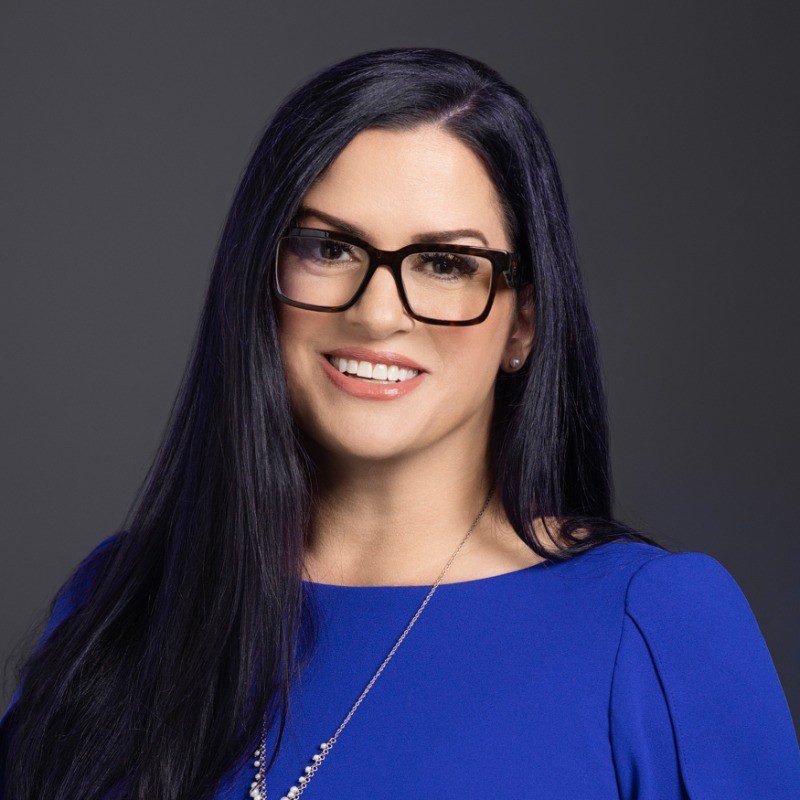 About Jolynn Ledgerwood
Jolynn Ledgerwood is a Learning and Development expert and CEO of Elevate Your Talent – Play for Performance, where she transforms how companies approach leadership, culture, and community impact. With 25+ years of experience across global brands like PepsiCo, Toyota Motors, and Frito-Lay, Jolynn specializes in immersive facilitation that aligns employee engagement with purpose-driven goals.
Her l&d workshops harness the power of LEGO® SERIOUS PLAY® and visual collaboration tools to build high-trust teams and activate meaningful CSR efforts—empowering companies to foster inclusion, drive connection, and deliver social impact from the inside out.
"Play gives structure to empathy, inclusion, and purpose."
Jolynn Ledgerwood
Get ideas, inspiration and best practices from across the globe.




Subscribe Wherever You Listen To Podcasts




More great podcast episodes.

Season 7 | Episode 2
Empathy, Insight, Impact
Season 6 | Episode 18
That’s a Wrap!

Season 6 | Episode 17
Work-Life Integration

Season 6 | Episode 16
Laughing it Off

Season 6 | Episode 15
Corporate Volunteerism in Action

Season 6 | Episode 14
Collaborative Play at Work

Season 6 | Episode 13
The Science of Supportive Workplaces

Season 6 | Episode 12
The Power of Being Present