

STRONG TEAMS DON’T HAPPEN BY CHANCE 
Bringing Compassion Back Into the Workplace
w/ Todd Becker

Use the buttons above to listen now.
Transcript - Bringing Compassion Back Into the Workplace
Rich Rininsland: On this episode of Team Building Saves the World…
Todd Becker: You’re just, you’re selling, to a person, “Hey, we’re trying to help this child walk.” You gotta think about the patient first, and think about your customer who’s that doctor and that healthcare team working on that patient. “Hey, we’re trying to help this child walk,” right?
Which is really important. I wanna see these kids in our shoes after their feet are fixed.
Rich Rininsland: Hello, team. It’s me, your old friend Rich Rininsland, host of Team Building Saves the World. Did you know that Wednesday, June 3rd is National Clubfoot Day? Well, on today’s episode, we’re going to discuss that, the children inflicted with this birth defect, and how best corporate responsibility can assist with this continuing problem with the Managing Director of Clubfoot Solutions Incorporated, Todd Becker.
But first, I gotta share some love with all of my supporters at TeamBonding. If your team is ready to experience teamwork through the power of play, then visit teambonding.com to learn more. Now, team, let’s talk about how corporations can support scalable healthcare solutions with my guest, Todd Becker.
Todd Becker, thank you so much for coming on the podcast. It’s so great to see you today. Thanks for being here.
Todd Becker: Thank you, Rich. I really appreciate it.
Rich Rininsland: So everybody out there who listens knows, you are the Managing Director of Clubfoot Solutions Incorporated. Is that correct?
Todd Becker: That is correct. Yes, we are in North Iowa.
Yeah. And, been doing it now for about 11 years, so yeah.
Rich Rininsland: And can you just let me know, how is it that you decided to get yourself involved in this very specific area of research?
Todd Becker: Oh, that’s a, it’s an interesting story. So, I was a leader of a large medical device company. Worked my way up from a Sales Rep locally to Regional Manager to General Manager, and then, like a lot of people, you’d get caught in corporate mergers.
So we had a large corporate merger between two very large orthopedic device companies.
Rich Rininsland: Okay.
Todd Becker: And, I was one of the unfortunate ones that lost their job, and did a lot of soul-searching at that time. My kids were at that age where it would be very difficult to move. I had some offers out of states, in my General Manager role in the medical device world leading sales teams, but, you know, when you’re… have a daughter starting high school and a son starting junior high, it’s like, okay, it’s not a real good time for you to move, so we did a little soul-searching and University of Iowa, where, the Ponseti technique was developed, was one of my largest customer, so I knew the doctors there. You know, they were working on the Iowa brace, and they kept twisting my arm to come take a look at this thing that they were trying to launch, this mission, all this type of stuff, and I was not in the nonprofit world at all.
But, after some praying and some soul-searching and trying to decide what’s best for my family, I told them I’d give them five years. I said, “I’ll give you five years, get this off the ground for you. I love the mission. I love, you know, the idea of helping children around the world have the ability to walk.”
But I said, “Five years, my kids will be out of school, and then I want to jump back into what I’ve worked 20 years of my life to do,” right? And here we are 11 years later. Now I don’t even wanna get out. It’s just been great.
Rich Rininsland: Excellent. So now you were throwing a lot of verbiage at us there that I do wanna clarify on, but let’s start simply, just in case. I always treat this podcast as if somebody out there listening is like me, who might not know a lot about this particular situation. So- Okay … can we start off very simply, just describe for me, if you can, what is a clubfoot deformity?
Todd Becker: Sure. Clubfoot deformity is the, it’s the largest birth defect that’s out there on the orthopedic side.
So it’s when the baby’s feet, if you look at their feet, are twisted in and down like a club. That’s why they call it clubfoot-.. like a golf club. So they’re born that way. One in about 750 children born worldwide, it’s a genetic, you know, deformity, is born with clubfoot. So about 200,000 babies are born every year with clubfoot deformity.
And, you know, about 80% of those are in low resource countries. So pre-1990s, when the Ponseti Method developed at the University of Iowa became really popular, surgical correction was really the only correction for it. So they would literally, as an infant child, you know, about three or four months after birth, detach the foot and the ligaments and re- reattach the foot.
So very grueling procedure, long-term outcome is not very well, you know taken for. And, you know, Dr. Ponseti who was just a wonderful man, he had actually developed the Ponseti Method in the 1950s.
Rich Rininsland: And the Ponseti Method actually is regarding what?
Todd Becker: It’s a non-invasive method where they take a series of serial casts, and they slowly move the feet back out into the correction over about four to six weeks, depending how bad they are.
And then they do a small surgery, which is basically they clip the Achilles tendon. Okay. And just so, so it expands, so the foot can open up a little bit more. That’s the only surgery. It’s really a pinprick at that. It’s a small little knife that they use and then they put the final cast on.
Then after that final cast comes off after two weeks, they have to wear a clubfoot brace like this at night when they sleep for four years. So it’s kinda like the retainer on your teeth. So you have the orthodontist puts the braces on your teeth. When the teeth come off, you wear your retainer.
If don’t wear your retainer, like my son never did, right? His teeth just gets crooked again, right? So it’s the same thing with your feet. So they need to wear that brace for four years, and it keeps their feet correct. Now the great thing about this non-invasive method is it’s a 95% correction rate.
So the child can live a normal life. You wouldn’t even know they had a d- disability, where if they’re not having this, they’re walking on the tops of their feet. They’re disabled, that type of stuff. Now, the great impact about this method is you can scale this and take it to low resource countries.
It costs literally about $500 to fix a child’s feet compared to surgery, which is thousands of dollars.
So that’s where the Ponseti Method, really, you know, took off, and it didn’t take off till the 1990s. 40 years in Iowa with 95% correction rates, it did really well. But, people didn’t know about it.
Well, as you all know, what happened in the 1990s, the internet came about. It was literally parents who drove the change from surgically corrected clubfoot to non-invasive Ponseti Method. There’s still a website out there. It’s called, No Surgery for Clubfoot. There’s a huge Facebook group with it, too.
It was a group of four parents who brought their children to Iowa to Dr. Ponseti that weren’t even from Iowa, and they said, “Hey, we need to do something about this,” you know? And they changed the face of orthopedics and the way clubfoot deformity was corrected from a very smart, generous man who is now in his late 80s that dedicated his life to this correction, and the internet changed it.
So it became the gold standard, and, is the gold standard now, and there’s very few surgeries that are done anymore to correct clubfeet, and they’ve scaled it around the world now.
Rich Rininsland: Do they know what the general cause of clubfoot is, or is this still something that is genetic?
Todd Becker: That’s the tough part. They’re studying that at the University of Iowa right now. But, so the problem with it is it’s multiple genes. So, when you’re dealing with multiple genes on a deformity, it’s hard to say, “Hey how can we get this corrected beforehand?” So, baby comes out, so, so they can’t do that.
So we, we try to find the very simplest ways, which the Ponseti Method does, to correct this child’s leg. That mean the parents have to endure six weeks of casting and four years of bracing which is not easy but it’s much better than surgical theatrics clubfoot which leads to serious serious problems later in life.
Rich Rininsland: And you said the Iowa brace, which your company… Did it develop, or it just creates itself or builds itself, or what is the situation? Developed that. So what happened was this in the late 1990s when all this stuff came about there, the University of Iowa where Dr. Ponseti trained, he actually worked until he was 94 years old. I mean, that’s how long he worked to the day that he passed away. And they brought in four surgeons underneath him early in the 1990s because if you can imagine this, once this got out there as the gold standard, you don’t have to have surge- surgery for your children anymore, there’s a doctor at the University of Iowa that’s doing non-surgical techniques that can correct your child’s feet.
They had, people coming from all over the world to the University of Iowa. Not only to have their children’s feet corrected, but ortho doctors were coming to Iowa every week to be trained on it. So it became a really large deal. So you went from one Pediatric Orthopedic Surgeon in Orthopedics, Dr. Ponseti- to the treating just, you know, foot deformities to now multiple ones, training doctors from all over the world. So it was a really a, big deal. So then they then at that time developed what they called Ponseti International, ’cause they wanted to make this a global thing, train doctors all over the world so we can train doctors in Africa, South America, Central America, all over, right?
So the doctors would bring doctors in, they would go back home, train their doctors, and then our Dr. Jose McWende, who I work with now, who replaced Dr. Ponseti, is the lead, practitioner there, he goes out once a week every month, and he’ll go to a low resource country or a mid-resource country to train doctors there.
So it’s really been a global experience from that standpoint. But they found the one… the reason Clubfoot Solutions came in was we can train doctors to put the casts on. But we need to have a quality brace for the parents to use for the next four years.
Because
Todd Becker: the doctor only is working on the child for six weeks.
The parent has to work with the child for four years.
Rich Rininsland: Yeah. Yep.
Todd Becker: All right? So they found very quickly that in these low resource countries, they don’t have the resources to develop a brace, make a brace, and there’s some out there where they actually, they’ll make them out of two leather little pieces, and I wish we would have them over in my office here right now.
But, two leather pieces and a stick in between and do that, and they were finding that they’re very uncomfortable, they won’t wear them, and if they don’t wear the brace, again, their feet are good, they start the whole process over again. So they just started developing the Iowa brace again. So it was Dr. McWende, the Pediatric Orthopedic Surgeon- The director of the physical therapy department at the University of Iowa, the Director of the Biomedical Engineering Department at the University of Iowa. And then they brought in one of our corporate partners, who’s just been a wonderful partner, the world’s largest children’s shoe manufacturer, because that’s a shoe, right?
You have to have a shoe. The device Iowa developed is the platforms and the bar device here at the bottom that hold the feet in the position they need to, but then you need a comfortable shoe for them to wear. So BBC International, they’re out of Boca Raton, Florida. They are the largest children’s shoe broker, manufacturer in the world.
They do 30 billion pairs of children’s shoes a year. A wonderful partner that one of the professors at Iowa, when he was trying to figure out the shoe situation, he went to Walmart one day and looked at a box. It was a Spider-Man shoe, and he looked at the bottom and saw BBC International, Boca Raton, in the real fine print, right?
So he emails BBC International, and one of the partners, the CFO, that was there got back to him in one day and said “I love your story. This is in our wheelhouse. We make children’s shoes, but I never knew about clubfoot. I want to see these kids in our shoes after their feet are fixed.”
Rich Rininsland: That’s awesome.
Todd Becker: I mean, it was just a wonderful story. They’re both… One passed away. One of the owners passed away recently, and then the other owner retired. And BBC International’s just been a wonderful corporate partner of ours. They build the shoes at their manufacturing plants in China for us ship them over here for us, do a lot of our logistical stuff, and it’s just taken off.
So, you know, so from there it’s been, you know, it’s been an 11-year process, but it’s changed. We’ve got 150,000 braces out there around the world right now. They get recycled, so we’ve equipped about a half million children.
Rich Rininsland: And you’re still doing this as a non-profit?
Todd Becker: Yeah. So the way… Robin Hood situation or the Bombas sock situation too, same thing.
So we are a for-profit, and that’s where my expertise came in, and a non-profit. All right? So we sell the brace here in the States, and we sell it in mid-resource and high, all high-resource countries. So we’re in over 100 of these. So we use all those profits to build braces for low-resource countries and families that can’t afford them.
So the profits that come from that, our board doesn’t take any… Our doctors on the board and board members, they don’t take any salary. The only people, we have three employees, both my wife, who’s the boss, and we have a couple of social media people and a office warehouse person, that type of stuff.
So our salaries are paid for on the sale of the Iowa brace- Got it … basically, you know, operational type stuff. And then whatever’s left over each year, we budget that to build braces for low resource countries that can’t afford them, and that’s the majority of them. So if you look at a country an African continent and countries there, they’re just trying to get by, right?
So they can’t afford quality bracing. So we work with nonprofits in those areas, or we work with hospitals in those areas where we measure them, ship them over for free. So it took me about five years when I started this to get us profitable enough to where every donation that comes in- goes straight to that child. So we use no, none of our donated dollars for our operational stuff or our salaries or that type of stuff, which is wonderful. But it took me five years, five years to get there. And then we got to a point last year now where it’s almost every brace we sell, we’re able to donate a brace too.
So that’s, it’s really expanded into, that’s one of our corporate things we have going on right now, buy a brace, donate a brace. So we kind of, you know, that’s getting out there. Kinda the Bombas thing, buy a pair of socks, so, you know, donate a pair of socks to somebody in need. We’re at that level now.
So, so yeah, so the, when the doctors puts us together at the University of Iowa, they said, “Hey, we don’t want this, we don’t wanna make this a, you know, just a for-profit type deal,” right? Because it’s a big industry. I mean, there’s, I was… as you can imagine, 200,000 babies a year, you know, four years in treatments, you’re looking at close to a million kids in treatment- that they’re buying board all the time. So we wanted to make it to where it’s, you know, a nonprofit, every child has a chance to get a brace. You know, that’s our mission statement is a quality brace for every child. And and we’ve done that.
Rich Rininsland: How did you, learn to make this work?
I mean, what did the lessons that you got from- Yeah … especially your marketing background your sales background- Sure. Yeah … that helped you make this an international escapade?
Todd Becker: Yeah. That was interesting. So when I came on board, we had one grant from a, philanthropist here in Iowa, John Papagian.
Tremendous person. He’s in the insurance industry, venture capitalist person, huge University of Iowa donor, went to University of Iowa, came from Greece. My wife is Greek, so we kinda hit it off, right? So- but he gave us a grant of $350,000 to start it. That’s all we had.
Rich Rininsland: Okay.
Todd Becker: So it was like, you know, when you’re leaving the medical device industry, and I was at the top of my game, right?
And I was doing really well to say, “Okay, I got $350,000 to make the whole business work,” right? So my buddy thought I was crazy. I’m like, “Hey I can do this. We’ll get this done.” So I had to learn really quickly, ’cause we needed donor dollars to come in to help- Get things going so I had to learn really fast on how to, where can I apply for grants?
Where can I, how can I set up a donor network? You know, all that type of stuff. So I kinda used my sales background on that and said, and did some classes and stuff too, and said, “Hey, you know what? This is no different than sales. You’re just, you’re selling to a person, hey, we’re trying to help this child walk.”
And here’s this person. And if you see a child with untreated clubfoot, which we have a ton of video and pictures, and I go do my presentation, and you see that, you don’t have to sell. It sells itself. Right? Yeah. So it’s, So we did a ton of that. Rotary Clubs, went out to Rotary Clubs, gave talks, and then we raised some more money out of that too to kinda get everything going.
So I kinda, like I said, I kinda used my sales tactics of getting out there, showing the deformity, expanding that reach. We had no social media presence, so I brought that on. I’m not a social media expert. I went out and did some things on that too and just started building our social media platform, and that helped us generate more donations, grants, you know, that type of stuff too.
So I, I would think those two things and utilizing my background from sales and leading teams and getting people to help helped a lot there.
Rich Rininsland: Do you find that there is a major difference in, say, getting a team motivated for a sales force versus this purpose-driven goal that you have?
Todd Becker: Yeah it’s a little bit different, all right?
And I would say a little bit different i- in- in this sense. When you’re running a, especially in orthopedic sales, I mean, it’s very high intense business. And the equation I kinda took from medical device sales to this is I always try to tell my teams, “Hey, yeah, you guys are making really good money,” and we’re getting paid really well on this.
But every time you put that total knee in or that total hip in or you have a trauma patients with a broken, you know, tibia or something like that-
you gotta think about the patient first, and think about your customer who’s that doctor and that healthcare team working on that patient.
You always have to think about that. Don’t think about the commission dollars that you’re making off that implant going. Because if you start chasing the commission dollars, all right, you’re not gonna do very well in this business. You’re gonna make mistakes. All right? And you’re probably gonna lose business, right?
So I kinda equated that over to this business here when I started building my distribution network, ’cause that’s what we use to sell our brace, you know. And it’s, we have some really great orthopedic or orthotic and prosthetic dealers around the world that help us. And I’ve found with them- they’re helping patients a lot, right?
Sure. So these patients are going into these orthotic dealers and being fitted, and they understand what the patients feel because they see that. So I’d look for distributor partners that really understood that, hey, we’re trying to help this child walk, right? Which is really important. I kind of built that into my realm of my partners, my distribution partners around the world that do that, and they all know we’re a non-profit, so we didn’t get into price gouging things.
If I found out there were price gouging families or areas, I was like, “Hey, you’re done,” right? We’re not doing that. Good. And we’ve been really fortunate. We’ve had some really good partners. We’ve set, like in, especially in mid-resourced countries, to where the levels that we put our pricing have changed the game, right?
Because the other ones on the market are real expensive and we make ours very affordable for anybody. So it’s not just the non-profit side- … it’s also the affordability side that we’ve done in the marketplace around the world too.
Rich Rininsland: How important is the idea of CSR, corporate social responsibility, to you and the healthcare industry in general?
Todd Becker: Sure. I wanna talk about us first because we have some wonderful partners. I’ve already brought up BBC International. like I said, they saw… don Wilbert, who was the CFO owner at that time, saw that in the email that Dr. Cook sent him. You know, because he sent pictures of the kid, un- untreated clubfoot and the project and, in a PowerPoint and that type of stuff, and he saw it in an email, right?
And said, “Hey…” And they were doing a lot of CSR stuff. It was more donating shoes to banks and that type of stuff, but this was brand new to them.
Brand new that, hey, we could help a child who’s born with a deformity. So that was brand new and they have been wonderful.
I mean, they’ve embraced this. Their employees embrace this. June 3rd is World Clubfoot Day, and they all get the T-shirts, and they’ll take pictures and send them over to us. So it’s really meaningful to them, their designers and all that type of stuff. So, you know, I think they understand, hey, we’re giving back to this child and seeing these children, this child work.
And the really neat thing about that too is if you go into low resource countries, many children can’t afford shoes, Right.
And I thought this was ingenious on their part. This had nothing to do with Iowa or us, or I wasn’t there at the time they were developing this. They made this shoe- … with a sole on the bottom of it, which is unique to the industry.
Most of them aren’t made, are not made that way. That when they are done with their clubfoot deformity, they can take these plates and take this as, use it as a shoe. And walk around. That’s might be the only pair of shoes that child will ever have in their life in a, an African country or something like that.
So they, that was their innovation. That wasn’t our doctor’s innovation. They just wanted correct the feet, right? They were like, and we were like, “Well, that’s pre- that’s pretty neat.” so BBC International’s been wonderful. I wanna put a shout-out to DHL is our global partner on logistics, on getting the shoe, getting the braces to remote areas, to wherever we go internationally.
FedEx has helped us here in the United States with lower rates. They understand our mission. So our board president’s one of the vice presidents at DHL, so that, that helped, right? Again, that’s back to my sales background. I seeked him out. I knew we’d be a global partner.
I had a connection with some, mutual friend connection, and I brought him on board, right? So I’m like, “Hey,” and I showed him the mission, and he was all for it. And DHL does a lot of free shipping for us internationally, very reduced rates when we’re selling the brace internationally and that good stuff.
And when I present to them every year, you can just see it in their eyes. They snap photos all the time when the stuff’s going in there. We have our little bear logo that we have with the, brace on and that type of stuff. So y- you can just see in their face, hey, we’re not just shipping product.
We’re shipping something that’s life-changing to a child, So works out really well.
Rich Rininsland: Very awesome. Can you show us the example that you have of the brace right there again? ‘Cause there’s something I wanted to, something I wanted to ask you about. Flip it so I can see the bottom. There’s, That’s very, decorated.
How did that come about? Was that just something were sitting around doing, or did somebody give it to you?
Todd Becker: This is a weird, this is a weird story. So I had one of our orthotic dealers reach out to me one time and said he was dealing with, TeamBonding. And somebody that wanted to buy buy some braces.
you know, they’re buying at a list price, right, through it, and he wanted to order a bunch for them. I said, “Hey,” and He kept asking these questions and stuff like this, and I kinda said, “Well, what is this for?” He goes, “Well, it’s for this TeamBonding thing.” And I said, “Well, connect me with them,” right?
Rich Rininsland: Okay.
Todd Becker: So I got connected to them. They were gonna go buy these things for, you know, they sell them, orthotic dealers would sell them for around a couple hundred bucks, Right. That’s the going rate for it if you’re gonna go buy it from an orthotic dealer. I said, “I can give it to you for $25. That’s our manufacturing cost.”
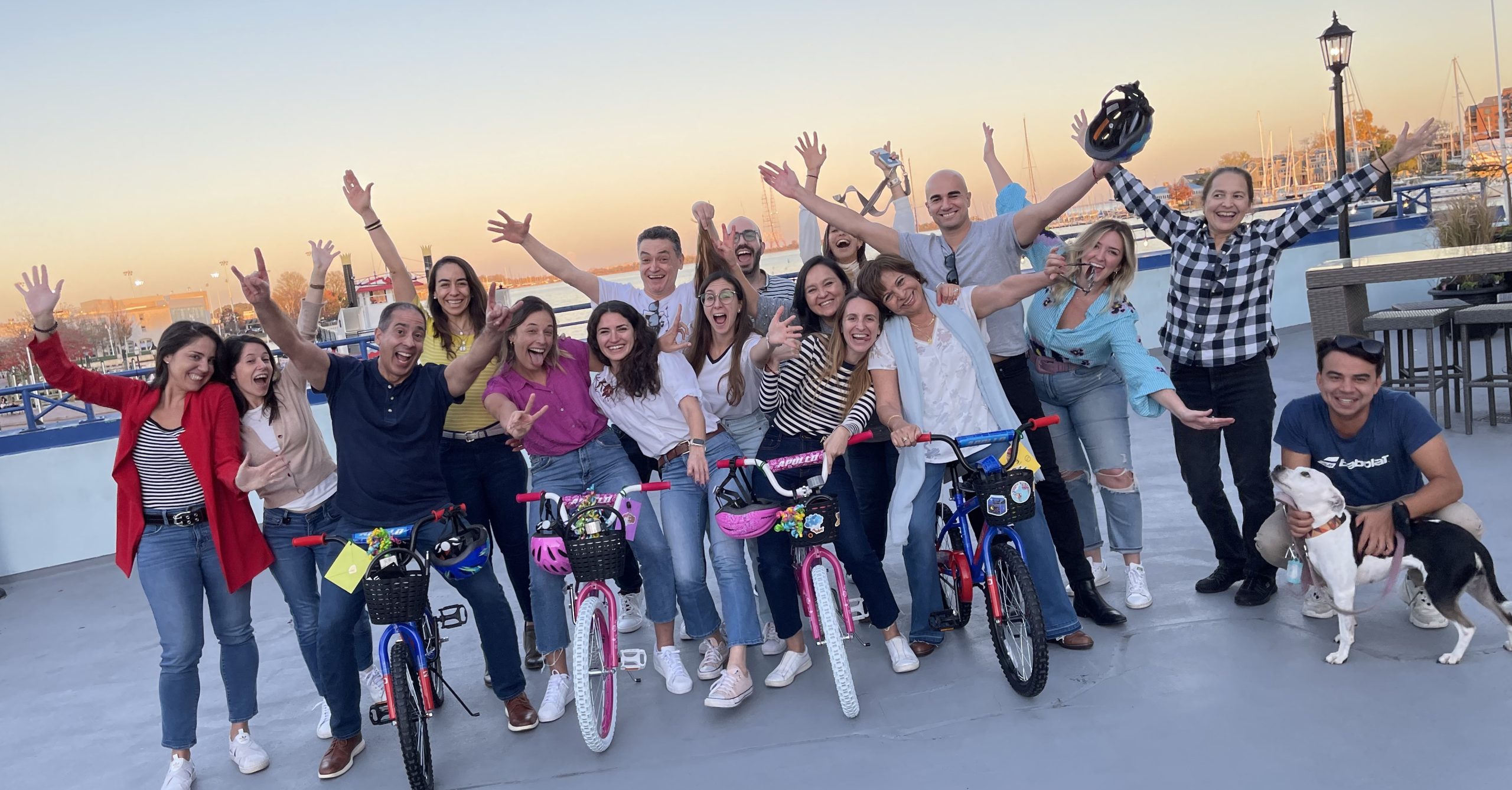
So and I said, “And I, what did you wanna do?” And they kinda told me about the TeamBonding, how they bring them in, talk about clubfoot, educate people about clubfoot. Because one thing that I have found getting into space, if you don’t have, if you don’t know somebody That has club foot or had a club foot child, you probably have zero idea.
Rich Rininsland: I mean, I, knew that it existed-
Todd Becker: But no- You don’t know the impact of it and that type of stuff. There’s only 5,000 children in the States born every year with it, so it’s not like it’s an everyday thing. So they came aboard. I said, “$25,” and they told me what they were doing. I said, what a neat idea.” I said, “Decorate these things up.” And here’s why it’s a neat idea. Our doctor, Dr. McQuinden, he is all about colorful colors. He’s Spanish. He’s a Spaniard. All about colorful colors, all this type of things, you know, and we keep it black because that’s a pretty universal color-
Rich Rininsland: Sure
Todd Becker: around the world, and cheap to make, you know, those type of things. So he’s always talked about colors, wanting to make different colors and stuff like that, so to do this, it just brightens a child’s life up a little bit more, right? You know, another thing that I’ve found, too, even since this has been getting done is we’ve now started seeing families decorate the shoes themselves.
Rich Rininsland: Nice.
Todd Becker: You know,
little things like that and around here and those type of things. But it kind of lights the child’s face up. The first ones I sent out, it was, amazing. I sent them out to one of our partners over in South America, and they had no idea they were coming, right? I didn’t tell them. Okay. I just sent them.
I said, “I wanna kind of get the reaction.” I got an email as soon as they opened the boxes up with smiles on their face. And this is not going to the child yet. It’s going to the partner. Yeah. And then they sent me one from a child who got one and the smiles on their face just seeing it. It can… You know, ’cause it’s a scary thing, right?
You’re putting a brace on a child, you know, for four years every night. Yeah. And if you just lift their face up a little bit, like, like I said, with, decorative braces, or now we’re doing you know, like I said, the little bears with the braces on them and stuff like that to make the kids feel better, right?
It’s all about feeling better, more comfortable, you know, making sure they wear their brace all night long, you know, understanding why it’s important, those type of things.
so yeah.
Rich Rininsland: That is awesome. I’m very impressed, my friend. Well done. Yeah. Todd, if you could have your druthers right now to any corporate entity out there who might be listening, and you could get what you want from them to help you reach more children anywhere in the world, what would the get be? What would the ask be?
Todd Becker: number one, corporate partnerships are really important to us. It’s more than just writing a check. I mean, some corporations wanna write a check and help a child out, and if they wanna do that, it’s 100%. We’ll take all that money. We’ll pick the country you wanna go to- that’s big of you, Todd.
Yeah. We’re gonna be able to take from it. You know, but it’s not just about that. I really think from a corporation who wants to, who really looks at, you know, the value that they have and the things they do, whether it’s logistics like DHL does for us, whether it’s building children’s shoes like BBC International does for us, right?
Whether it’s the accounting firm that helps us on our end to keep it all straight, and they do it at a reduced rate or even pro bono at times, right? Our attorney who’s helped us with our patents and all that type of stuff pro bono because they understand, you know, what this is doing and how we’re helping people.
There’s all kinds of corporations out there that can help with the resources that they already have, and they can feel really good about it. And I don’t care if it’s helping a clubfoot child, or it’s helping a cleft lip child, or it’s, helping children in Africa and those places that, that, you know, lose their leg in an accident and they need a prosthesis, right?
There’s all kinds of things out there that I think corporations can do to help that are more than just writing a check. Sometimes writing a check’s the easiest, easy way. Hey, try that. And then your, employees can feel a connection. I get a connection to that. I can see that. I’m seeing the videos that this nonprofit is sending us, sending to us, and how we helped that child, that person lead a better life.
Rich Rininsland: Very cool. Todd, thank you so very much. My team out there, please, Todd Becker, give him a big round of applause. To him and everybody from Clubfoot Solutions. Thank you, guys, so much for all you’re doing and continue to do. And if there is anybody out there who wants to actually learn more or do more, Todd, I mean, they can always reach out to TeamBonding to find out about possibly getting together with you and making something happen for their teams. But what’s another way that they can reach you or your organization?
Todd Becker: Clubfootsolutions.org is our website. We’re on all the socials, Facebook, Instagram, LinkedIn, TikTok, X. We’re on all of them. They can find us there @iowabrace on all the socials, too. World Clubfoot Day is June 3rd, big day coming up here in the next few weeks. And it’s a world recognition of clubfoot deformity, and there’ll be events all over the world on this. And we’re actually having a large symposium with over 300 doctors and healthcare workers from over 40 countries coming into the University of Iowa. So it’s gonna be a fun event, and I think the biggest thing for people is spread awareness.
Rich Rininsland: Fantastic, Todd. Thank you so much, and thank you for coming on. I appreciate you being here and talking to us about this. Did you have a good time?
Todd Becker: I did. That was fun, Rich.
Rich Rininsland: I’m glad.
Todd Becker: Really good.
Rich Rininsland: I’m glad. I’m really glad. Thank you. I hope it continues to be so, ’cause in case you forgot- It’s now time for my speed round.
Oh. Speed round. So everybody else out there knows, I talked to Todd a little bit about this before he came on the air with us. Speed round. It is 60 seconds of me just asking simple questions of Todd to see if we can get to know him a little bit better in that time. Speed round. Plus also, it gives us an opportunity to see if Todd is competitive at all and wants to actually break some records. We have reached 16 questions asked and answered in 60 seconds, Todd. How do you feel?
Todd Becker: I’m good. Competitive. Former baseball coach, so this is right up here. All right.
Rich Rininsland: So you can be as competitive as you like, or you know what?
Just answer the questions. I don’t care. It’s either way, man. It’s our 60 seconds together, okay? So we’re gonna hear some music. As soon as that starts, I’m gonna ask you some questions. Are you ready to go, my friend?
Todd Becker: I am ready.
Rich Rininsland: Todd Becker, let’s get to know you a little bit better. 60 seconds now. What’s your name?
Todd Becker: Todd Becker.
Rich Rininsland: How many kids do you have?
Todd Becker: Three.
Rich Rininsland: Which one’s your favorite?
Todd Becker: They all are.
Rich Rininsland: Pancakes or waffles, Todd?
Todd Becker: Pancakes.
Rich Rininsland: What would you like to be your last meal?
Todd Becker: Steak and eggs.
Rich Rininsland: Nice. Would you rather learn to talk to animals or speak every language fluently?
Todd Becker: Talk to animals.
Rich Rininsland: Best career advice you’ve ever received?
Todd Becker: Work hard every day with a pen, and it’s not work.
Rich Rininsland: Nice. What is your best stress reliever?
Todd Becker: Hunting.
Rich Rininsland: If you could work anywhere in the world where would you choose?
Todd Becker: I love it right here in Iowa.
Rich Rininsland: What’s the most unusual job you’ve ever had?
Todd Becker: De-tasseling corn, ’cause I’m from Iowa, was a very unusual job as a child.
Rich Rininsland: That’s awesome. I’m from South Jersey, so I did a lot of farm work, too, when I was a kid.
Oh, yeah. I get you, my man. You got 12, buddy. 12 questions asked and answered. That’s not bad at all.
Todd Becker: All right. Well, all right.
Rich Rininsland: Great. Todd, again, thanks so very much for coming on. I really appreciate you being here, man. I had a great time.
Todd Becker: Awesome. Appreciate it, Rich. Thanks.
Rich Rininsland: Thank you.
May 22, 2026
In this episode, Todd Becker, Managing Director of Clubfoot Solutions, discusses how the organization’s mission to help children born with clubfoot has evolved into a meaningful team building experience for companies looking to make a real social impact. Through hands-on activities like decorating clubfoot braces for children in low-resource countries, corporate teams are able to connect around purpose, compassion, and global giving while directly contributing to life-changing care. Todd shares how these experiences not only support children around the world, but also strengthen workplace culture by giving employees a tangible way to make a difference together and rebuild compassion in the workplace.
About Todd Becker
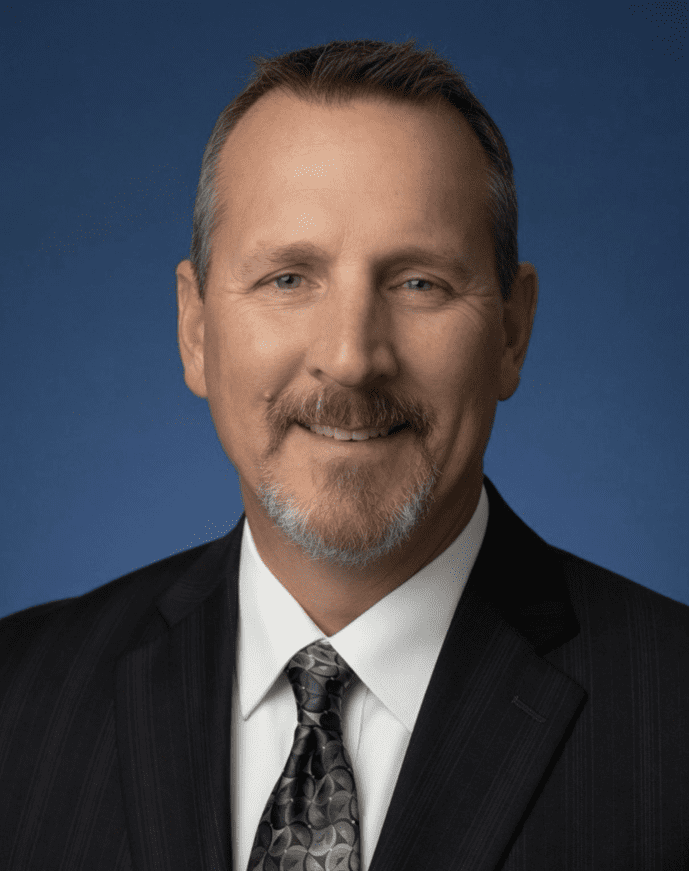
Todd Becker is the Managing Director of Clubfoot Solutions, bringing more than 20 years of experience in the orthopedic medical device industry to the organization’s global mission of helping children born with clubfoot. Since joining in 2014, he has helped expand access to the Iowa Brace across more than 100 countries, improving outcomes for hundreds of thousands of children through affordable, non-invasive treatment. Prior to his nonprofit leadership role, Todd held senior positions with Zimmer and Johnson & Johnson, where he led sales, marketing, and operations teams. Today, he combines deep healthcare industry expertise with a purpose-driven approach to scale innovative solutions and global partnerships that make life-changing care more accessible worldwide.
“You can just see in their face… we’re not just shipping product, we’re shipping something that’s life changing to a child.”
Todd Becker
Get ideas, inspiration and best practices from across the globe.




Subscribe Wherever You Listen To Podcasts




More great podcast episodes.
Season 7 | Episode 3
Corporate Responsibility and Sustainability
Season 7 | Episode 2
Empathy, Insight, Impact
Season 7 | Episode 1
The L&D Approach That Actually Works
Season 6 | Episode 18
That’s a Wrap!

Season 6 | Episode 17
Work-Life Integration
Season 6 | Episode 16
Laughing it Off
Season 6 | Episode 15
Corporate Volunteerism in Action
Season 6 | Episode 14
Collaborative Play at Work