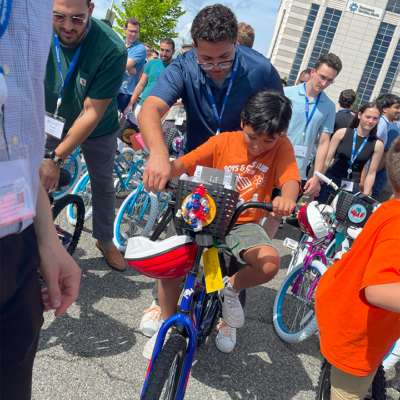



Employee Happiness in 2026: What Works, and Why It Pays Off
Employee happiness is one of those topics that gets a lot of head nodding in meetings but not nearly enough real action. Getting it right has rarely mattered more than it does right now.
After four straight years of decline, morale is finally ticking back up. BambooHR’s 2026 Employee Happiness Index found employee net promoter scores hit their strongest first half since 2023. The recovery is fragile and uneven, though, which makes now the moment to be intentional about workplace happiness rather than assume it takes care of itself.
I’ve spent over three decades building TeamBonding, and if there’s one thing I’ve learned from thousands of teams, it’s this: happy employees are more productive, more creative, and far more likely to stick around.
Workplace happiness is a competitive advantage, and organizations that treat it as such consistently outperform those that don’t. Research from the University of Oxford found that happy employees are 13% more productive than their unhappy counterparts.
Gallup’s 2026 State of the Global Workplace report shows the flip side. Global employee engagement fell to just 20% in 2025, costing the world economy an estimated $10 trillion in lost productivity. That’s not a typo. Ten trillion dollars, gone, largely because people don’t feel connected to their work or their workplace.
So what makes employees happy, and how can leaders do a better job of making it happen? I’ll walk you through what I’ve seen work, both in my own company and across the thousands of organizations we’ve partnered with.
What drives employee happiness in the workplace?
Workplace happiness comes down to a handful of key factors. None of them are complicated, but all of them require intentional effort.
Work-life balance remains at the top of the list. According to Zippia, 72% of employees say a good work-life balance is very important to them. When people have time for family, hobbies, and rest, they show up more focused and energized. Promoting a healthy work-life balance is one of the most direct paths to a happier team.
Meaningful work is another major driver. People want to feel that what they do matters. A Harvard Business Review study found that nine out of ten workers would accept lower pay to do more meaningful work. When employees understand how their role connects to a bigger mission, their sense of purpose and satisfaction skyrockets.
Positive relationships with coworkers also play a huge role. Toxic environments breed resentment and turnover. Collaborative, supportive ones build trust and make work feel less like a grind. That’s exactly why team building works: it creates shared experiences that strengthen bonds and break down silos. I’ve seen it transform teams time and time again.
Recognition and appreciation are equally powerful. Gallup research shows that employees who feel recognized are significantly more engaged, yet the 2025 SHRM State of the Workplace report found that 34% of U.S. workers feel their contributions go unnoticed. A quick acknowledgment, a genuine thank-you, or a small gesture of appreciation can shift someone’s entire outlook.
Finally, growth opportunities keep worker happiness high over the long term. People don’t want to feel stuck. When employees see a clear path forward, whether through professional development, mentoring, or new challenges, they stay motivated and invested.

How can you increase employee happiness?
You can increase employee happiness by acting deliberately on those same drivers. Here are the strategies I’ve seen make the biggest difference.
Encourage work-life balance proactively
This goes beyond just saying you value it. Review workloads regularly, encourage breaks, and get creative with your workplace PTO policy. Consider offering time off for volunteering or piloting flexible scheduling. Ask your employees what would help them recharge, and then follow through.
Prioritize open communication
Workers who feel heard are workers who feel valued. Create channels for honest feedback, hold regular one-on-ones, and foster an environment where people feel safe raising concerns. This kind of transparency is also essential for building trust in the workplace, which is a foundation of any happy team.
Offer flexibility where possible
The data on this is clear. A 2024 Stanford study found that employees working from home two days a week were just as productive as their in-office peers and 33% less likely to quit. Whether it’s remote options, hybrid schedules, or flexible hours, giving people more control over how and where they work measurably improves staff happiness.
Invest in recognition and support
This doesn’t have to be expensive. Peer shout-outs, team celebrations, handwritten notes: these small gestures add up. Pair that with real support systems like mental health resources, wellness programs, and regular check-ins, and you’re building a workplace where people genuinely want to be.
Create pathways for growth
Offer training, mentorship, stretch assignments, and professional development opportunities. When employees feel like they’re learning and evolving, their engagement rises naturally. Gallup’s research consistently shows that businesses with engaged employees are significantly more profitable, so this investment pays for itself.
Why does employee happiness matter for your business?
Happy employees are more productive and far more loyal, and the research is unambiguous. Gallup’s 2024 analysis of more than 183,000 teams found that highly engaged teams deliver roughly 23% higher profitability.
They also experience dramatically lower turnover. BambooHR’s 2026 data puts a fine point on retention: the happiest companies lose 46% fewer employees than their unhappiest counterparts. That’s a direct line from company happiness to your bottom line.
On the flip side, disengagement is staggeringly expensive. Half of all employees globally are either watching for or actively seeking a new job, according to Gallup’s 2025 data. When people leave, they take institutional knowledge, relationships, and momentum with them. Replacing them costs time and money that could’ve been spent building something great.
Workplace happiness programs don’t have to be massive, complicated initiatives. Sometimes the biggest impact comes from the simplest actions: asking someone how they’re doing and meaning it, recognizing a win publicly, giving your team the breathing room to do their best work.
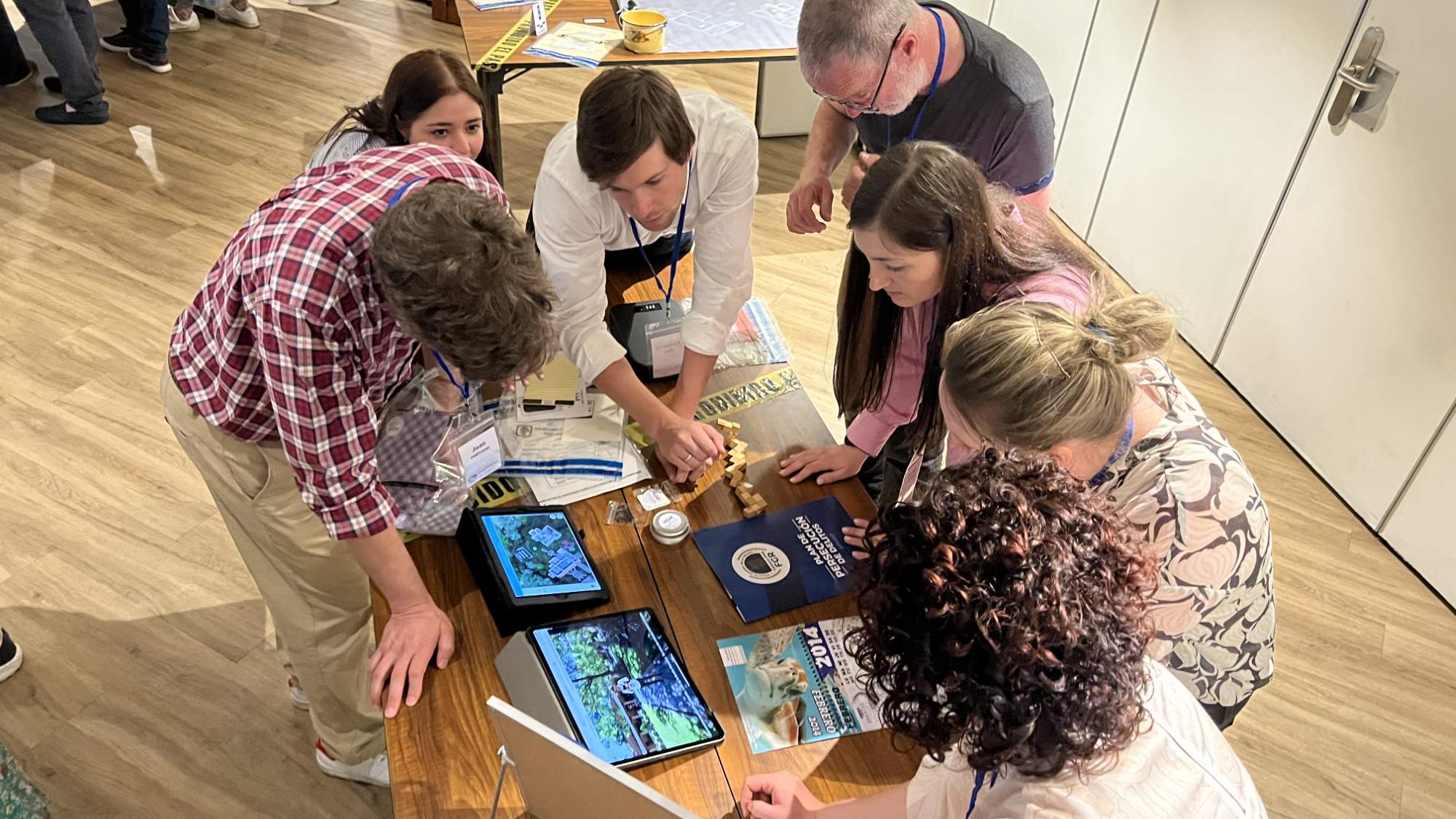
How to build a lasting culture of employee happiness
The key to sustaining workplace happiness is making it part of your culture, not a one-time initiative. That means measuring it, talking about it, and acting on what you learn.
Use surveys and anonymous feedback tools to get an honest read on how your team is feeling. Track engagement metrics alongside performance data and look for patterns. Most importantly, talk directly to your people. Find out what they value most and use that information to shape your approach.
Make sure your efforts reach everyone, not just one department or seniority level. BambooHR’s 2026 data is a useful reminder: the recovery isn’t reaching every group equally. Employees two to three years into a role and workers in their late twenties report the lowest satisfaction, while new hires and veterans report much higher satisfaction.
Every employee has different needs, and a one-size-fits-all approach to team happiness will always fall short. The goal is to create an environment where happiness is baked into the everyday experience of working at your company.
Start building a happier team with TeamBonding
Employee happiness isn’t a perk or a nice-to-have. It’s a strategic priority that drives retention, productivity, and innovation. After decades of watching teams transform through shared experiences, I can tell you that the investment always pays off.
At TeamBonding, we offer a wide range of team building activities and events designed to boost morale, strengthen relationships, and create the kind of energy that keeps employees engaged. Whether you’re looking to boost employee morale or find new ways to keep employees engaged, we’ve got something for every team.
Contact us today to start building a happier, more productive workforce.


Get more insights in our newsletter:
* every subscription supports charity!
PODCAST
Get ideas, inspiration and best practices from across the globe.




Plays well with these activities.