


Millennials in the Workplace: A Practical Guide to Leading Today’s Largest Generation
If you manage people, millennials in the workplace aren’t some future trend you need to get ready for. They’re already running your meetings, mentoring your new hires, and in plenty of cases, sitting in the manager’s chair next to you.
In my role as Director of Sales at TeamBonding, I spend most of my week talking with HR professionals, business owners, and team leaders who are trying to figure this generation out. The same questions come up again and again: Why do millennials job-hop? What do they really want? And how do I keep my best ones from walking out the door?
So let’s set the stereotypes aside and look at what’s real. I’ll walk through who millennials are, what they want at work, the challenges they’re up against, and the practical moves that help you manage millennials well.
Understanding millennials in the workplace isn’t about pandering to a generation; it’s about leading the people who already make up most of your multigenerational team. Think of this as a field guide built from years of watching what truly works across every kind of team, from Fortune 500 floors to ten-person startups.
Defining the millennial generation
Millennials were born from 1981 to 1996, which puts them roughly between 30 and 45 years old in 2026. These cutoffs shift a little depending on the source, so don’t get too hung up on the exact years.
Millennials are considered digital natives who grew up during a stretch of fast, disorienting technological change. They may have started on dial-up and flip phones, but they adapted to smartphones and social media almost overnight.
Here’s what sets them apart from Gen Z, who have their own wants and needs in the workplace: millennials still remember life before all of it. That in-between vantage point shapes how they lead, communicate, and think about work.
Common stereotypes about millennials in the workplace
Plenty of stereotypes get thrown at this generation, and most of them fall apart under a closer look. Some traits trend true, like tech savviness, but many assumptions ignore the very different world millennials came up in.
Here are the labels I hear most often:
- Entitled behavior
- Hungry for praise
- Limited social skills
- Good with technology
- Poor work ethic
Aside from the tech point, all of these are negative. Are they accurate? Not really. Let’s take them one at a time.
Entitled behavior
Are millennials entitled for asking for the same things older generations took for granted? I’d push back on that hard.
There’s nothing entitled about wanting fair pay, affordable housing, work-life balance, and a real path to grow. Those are reasonable asks, not demands.
Hungry for praise
Many millennials are upfront about wanting recognition for their wins, and that’s a good thing. Healthy workplaces should encourage praise and acknowledgment, so wanting it isn’t a flaw.
Limited social skills
Millennials grew up texting and chatting as a big part of how they connected, and they tend to show higher emotional intelligence as a result. That leads to different social preferences, but different doesn’t mean worse.
Programs like TeamBonding’s People Skills Training can sharpen those skills for people of any age. When you’re managing millennials, sessions like these help bridge communication styles across a mixed team.
Good with technology
As the first generation of digital natives, millennials bring real tech fluency to the table. That keeps teams flexible and creates natural mentoring moments, with younger employees helping older colleagues get comfortable with new software and tools.

What the Millennial work ethic really looks like
Millennials work just as hard as anyone; they just define hard work differently. The tired knock on the Millennials’ work ethic misses what’s really happening.
According to Deloitte’s 2026 Gen Z and Millennial Survey, which drew on more than 22,500 respondents across 44 countries, these generations are adaptable, pragmatic, and intentional about how they spend their effort.
When the survey asked people to rate their own strengths, work ethic came out on top for millennials, with 51% putting themselves at an advanced level.
They’ll give you everything when they feel respected and fairly treated, and they’ll speak up fast when they don’t.
Why millennials matter in the workplace
Here’s the short answer: millennials in the workplace are impossible to ignore, because they’re now the largest generation in the U.S. workforce. As of 2024, they made up the biggest share of the labor force at 36%, according to U.S. Department of Labor data.
They’re also the most educated generation to date. That same Department of Labor analysis found that about 43.6% of millennial workers hold a bachelor’s degree or higher, well above the rates for older generations.
This group enjoys independence and creative problem-solving, and they’ll work hard to find efficient ways to get things done.
Millennials build healthier work environments
Millennials tend to lift up the places they work. They want and expect a healthy environment with effective communication and fair treatment, and by speaking up, they push the whole culture in a better direction.
Millennials make loyal team members
The job-hopper reputation is only half true. Millennials leave when they’re underpaid or undervalued, not on a whim.
When you engage and retain them by giving them real reasons to stay, they become some of the most loyal, valuable people on your team.
Millennials are moving into leadership
Don’t overlook where this generation is headed. As baby boomers retire, millennials keep stepping into higher roles; they’re the leaders your company is running on right now.
Millennials in leadership positions tend to favor a team-first approach, seek out diversity, and emphasize fulfillment. They communicate openly and aren’t shy about naming what isn’t working.

What millennials want at work
You might be seeing the pattern by now: millennials can be hardworking, loyal people who elevate their teams, as long as they’re getting what they need. So when I ask leaders what frustrates them about millennials at work, the answer usually traces back to unmet expectations rather than bad attitudes.
And those expectations are more reasonable than they get credit for. Deloitte research points to a real shift: millennials increasingly choose career sustainability over pure career acceleration, prioritizing stability, skills, and well-being.
Fair pay and work-life balance
Above everything else, millennials want two things: fair compensation and work-life balance.
They want a competitive, living wage for full-time work, and they want an actual life outside of it. That’s not radical; it’s the “I work to live, not live to work” mindset, and it’s here to stay.
Money worries sit underneath a lot of this. In Deloitte’s 2026 survey, cost of living was the single biggest concern for both millennials and Gen Z for the fifth year running, with many delaying major life decisions because of financial pressure.
Room to grow
Millennials want a path forward. They’re looking for growth and professional development, which can also drive innovation across your whole organization.
Interestingly, that ambition looks different than it used to. Only 6% of Gen Zs and millennials in the Deloitte survey said reaching a leadership position was their primary career goal, yet 67% of millennials still want a senior role eventually; they just prefer steady, sustainable progress over a frantic sprint up the ladder.
Flexibility
Remote and hybrid arrangements remain hugely popular with millennials. They usually want that flexibility to protect their work-life balance and mental health, and that expectation only hardened after the pandemic.
Purpose and responsibility
Millennials also look for purpose and corporate social responsibility (CSR). They’re tuned in to the world around them and bothered by injustice and inequality.
They want to feel part of something bigger than a paycheck, and they expect diversity and inclusion to be the baseline, not a bonus.

The biggest challenges millennials face
Now let’s flip the lens. What are millennials really up against that makes them speak out in the first place?
Financial pressure
The biggest challenge is financial, and it isn’t unique to them. Millennials and Gen Z came of age in genuinely precarious times, even when the stock market and GDP suggested otherwise.
Healthcare is often unaffordable even with decent insurance. Housing prices have climbed far beyond where they sat a couple of decades ago, and pensions have mostly been swapped for 401(k) accounts tied to a volatile market.
All of this lands on wages that have stagnated for years while corporate profits and productivity hit record highs. No wonder cost of living tops their list of worries.
Mental health and wellbeing
Another big one is mental health and wellbeing. Millennials are far more conscious of their mental health than older generations, and they’re willing to prioritize it over work.
Stack the financial pressures on top of that, and it’s easy to see why wellbeing weighs so heavily on this group.
Constant technological change
The last challenge is the relentless pace of technology itself. AI and automation are reshaping work in real time, and the Deloitte data shows millennials are adopting these tools faster than their organizations can support them.
That leaves many wondering whether the same technology that makes them productive might one day reshape their jobs.
How to manage millennials in the workplace
Time for the part leaders really want: how do you adapt so millennials thrive? Start with the obvious: pay them well, because if you don’t, they’ll go somewhere that does. From there, a few moves make a real difference when you’re managing millennials day to day.
Build a culture worth staying for
Start with a millennial-friendly culture. Put real weight on employee wellness through wellbeing initiatives and a healthy work-life balance.
Encourage effective communication, invest in their development, and treat them like adults. Culture does more heavy lifting here than any single perk.
Recognize good work
Recognition matters more than most leaders realize. In Deloitte’s 2026 research, not being recognized or rewarded for their work ranked as the second-biggest source of job-related stress for both generations, behind only long working hours.
So acknowledge wins, and give clear, constructive feedback when there’s room to improve. It’s simple, it’s cheap, and it signals that you truly see the people doing the work.
Invest in team building
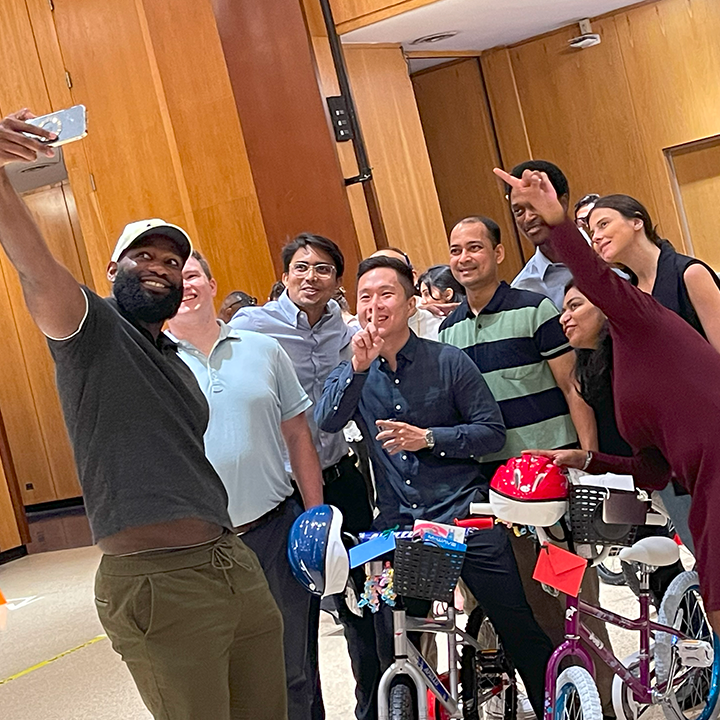
This is the part I see pay off firsthand. Bringing people together through shared experiences changes how a team communicates, and millennials respond to it especially well because it rewards the collaboration and connection they already value.
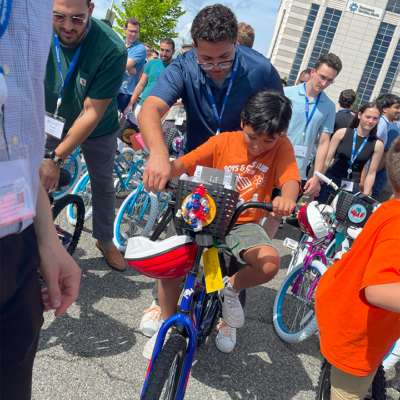
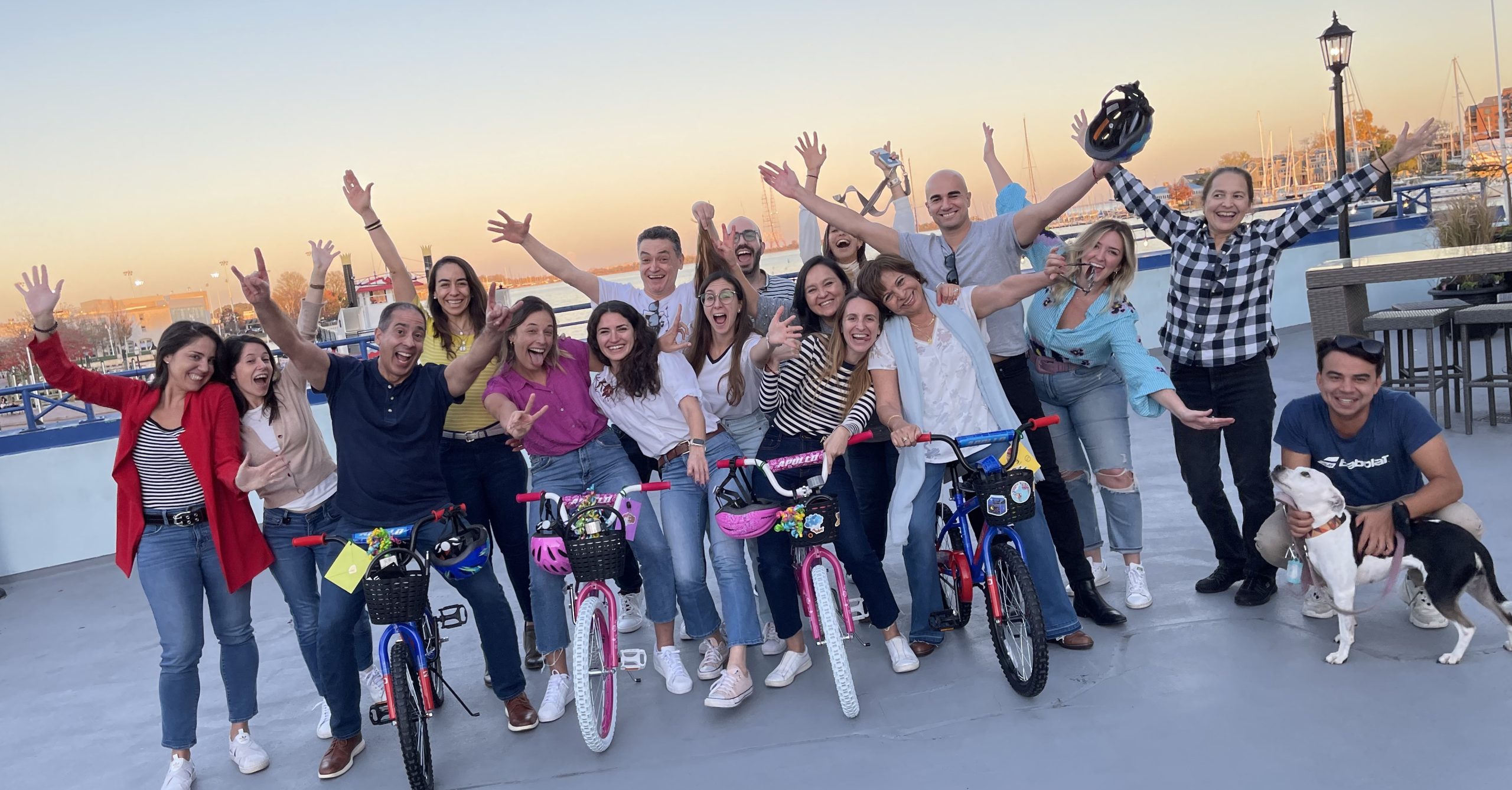
An event like Build-A-Birthday or Just Roll With It is often perfect for this crowd, blending collaboration with something fun. For mixed-age teams, our generational training helps everyone understand what drives each other, and a charitable event like the Charity Bike Build ties that connection to a cause people care about.
What’s next for the millennial workforce
Before we wrap, let’s look ahead. Millennials will anchor the workforce for a long while yet, and more of them move into leadership every year.
Gen Z is right behind them, currently ranging from about 14 to 29 years old, with many already on the job. A decade from now they’ll be a major chunk of the workforce, and Gen Alpha will be knocking on the door soon after.
The takeaway is simple: younger generations will keep arriving, so the organizations that stay curious and keep adapting are the ones that won’t get left behind.
Connect with your millennials through TeamBonding
Millennials get misunderstood more than almost any generation, but the reality is refreshingly simple. They’re a hardworking group that expects respect and fair pay, and since they make up more than a third of the workforce, meeting their needs isn’t optional.
To get there, build an environment that rewards communication, wellbeing, growth, and a genuine work-life balance. Get that right, and millennials in the workplace become your most engaged, loyal people. That’s the workplace they show up for.
That’s where we come in. With over 25 years of experience running corporate events, we have a full catalog of programs and activities designed to connect your team and bring out the best in your millennial employees. It’s time to embrace the next generation, so get in touch with us and let’s build something your whole team will remember.


Get more insights in our newsletter:
* every subscription supports charity!
PODCAST
Get ideas, inspiration and best practices from across the globe.




Plays well with these activities.